Dr Ahsan Tariq , MBBS, MRCP (UK ) ongoing, IMT ( Internal Medicine Trainee, NHS England), GMC : 7805049
Dr Ahsan Tariq is a UK-registered medical doctor with a background in internal medicine and a focus on evidence-based research in cognitive health and nootropics. He critically reviews scientific studies, supplements, and ingredients to help readers make informed, safe, and effective choices for brain health and performance.
Introduction
Acne is not just a surface-level skin issue it is a complex biological condition influenced by hormones, inflammation, lifestyle, genetics, and environmental factors. Millions of people struggle with acne while simultaneously dealing with excess oil, sensitivity, and post-acne marks. The biggest mistake most people make is treating acne aggressively, which often leads to temporary dryness followed by even oilier skin.
Modern dermatology confirms that the most effective acne solutions focus on balance, barrier repair, and long-term regulation, not harsh elimination of oil [1]. This in-depth guide explains the science of acne, why oily skin behaves the way it does, and how to implement ultimate acne solutions that lead to clear, flawless, and non-greasy skin.
Understanding Acne At A Biological Level
Acne develops within the pilosebaceous unit, which consists of a hair follicle and its associated sebaceous gland. When this unit becomes disrupted, acne lesions begin to form [2].
The Four Core Mechanisms Of Acne
Dermatological literature identifies four fundamental processes behind acne development [3]:
- Excess sebum production
- Abnormal shedding of skin cells
- Growth of acne-causing bacteria
- Inflammatory response
Each of these mechanisms interacts with the others, making acne a multifactorial condition rather than a simple hygiene problem.
Sebum: Friend Or Foe?
Sebum is a natural oil produced to protect skin from dehydration and environmental damage. According to skin physiology studies, sebum is essential for maintaining elasticity and antimicrobial defense [4].
However, hormonal stimulation particularly androgens can cause sebaceous glands to enlarge and produce excessive oil [5]. When oil production exceeds the skin’s ability to manage it, pores become congested.
Hyperkeratinization And Pore Blockage
In acne-prone skin, dead skin cells do not shed normally. Instead, they clump together and stick inside pores, forming a blockage [6]. This process, known as follicular hyperkeratinization, is a primary driver of comedonal acne.
Bacterial Overgrowth And Inflammation
Once a pore is blocked, it creates an oxygen-poor environment that allows Cutibacterium acnes to thrive [7]. This bacteria releases inflammatory compounds, triggering redness, swelling, and painful breakouts.
Inflammation, not oil alone, is what causes acne to worsen and scars to form [8].
Different Types Of Acne And Their Causes
Not all acne is the same. Each type requires a tailored approach.
| Acne Type | Appearance | Primary Cause |
|---|---|---|
| Whiteheads | Small, closed bumps | Trapped oil and cells |
| Blackheads | Open pores with dark plugs | Oxidized sebum |
| Papules | Red, tender bumps | Inflammation |
| Pustules | Pus-filled pimples | Bacterial activity |
| Nodules | Deep, painful lesions | Hormonal imbalance |
| Cysts | Large, inflamed lumps | Chronic inflammation |
Studies show that mistreating one acne type with solutions meant for another increases oil imbalance and irritation [9].
Why Oily Skin And Acne Often Coexist
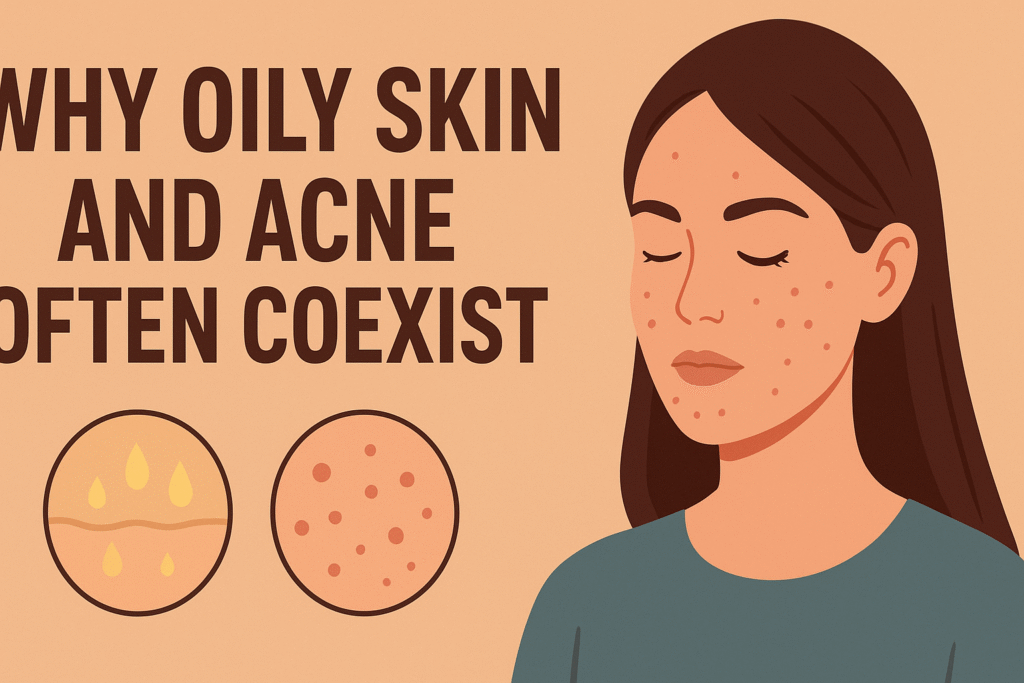
Oily skin does not automatically cause acne, but it creates an environment where acne thrives. Research shows that individuals with oily skin have larger sebaceous glands and higher sebum output [10].
Ironically, aggressive oil removal signals the skin to produce even more oil, worsening acne over time [11].
The Hidden Damage Of Harsh Acne Treatments
Many over-the-counter acne products rely on alcohols, sulfates, and high concentrations of active ingredients. While these may reduce oil temporarily, they damage the skin barrier [12].
Consequences Of Barrier Damage
- Increased transepidermal water loss [13]
- Chronic redness and sensitivity [14]
- Rebound oil production [15]
- Delayed healing and scarring [16]
Dermatology research emphasizes that barrier repair is essential for long-term acne control [17].
Ultimate Acne Solutions: A Balanced Strategy
Effective acne solutions work by regulating oil, preventing clogged pores, and calming inflammation without stripping moisture.
Daily Skincare Foundations For Acne Control
Gentle Cleansing As The First Step
Cleansing removes excess oil, bacteria, and pollutants. However, studies show that washing more than twice daily increases irritation and oil rebound [18].
Best practices:
- Cleanse morning and night
- Use pH-balanced formulas
- Avoid foaming sulfates
Smart Exfoliation For Pore Clarity
Chemical exfoliants dissolve pore debris more effectively than physical scrubs. Research confirms that salicylic acid penetrates oil-filled pores, reducing acne formation [19].
Over-exfoliation, however, disrupts the skin barrier and increases oil production [20].
Moisturizing Oily, Acne-Prone Skin
Contrary to popular belief, moisturizing is essential. Clinical trials show that hydrated skin produces less compensatory oil [21].
Look for:
- Oil-free gels
- Ceramides
- Non-comedogenic labels
Evidence-Based Active Ingredients
Niacinamide – Oil And Inflammation Control
Niacinamide reduces sebum output, strengthens the skin barrier, and improves acne marks. Multiple studies show significant improvement within 8 weeks [22].
Retinoids – The Gold Standard
Retinoids normalize cell turnover and prevent clogged pores. Long-term studies confirm retinoids reduce both acne lesions and oiliness [23].
Benzoyl Peroxide – Bacterial Reduction
Benzoyl peroxide kills acne bacteria without causing resistance, making it effective for inflammatory acne [24].
Diet And Acne: The Scientific Link
Nutrition plays a critical role in hormonal balance and inflammation.
High-Glycemic Foods And Acne
Diets high in sugar increase insulin levels, stimulating oil production [25].
Anti-Inflammatory Nutrients
Omega-3 fatty acids reduce inflammatory acne lesions [26]. Zinc supplementation improves healing and oil regulation [27].
Lifestyle Factors That Influence Acne
Stress And Hormonal Acne
Stress elevates cortisol, which increases oil production and inflammation [28].
Sleep And Skin Regeneration
Sleep deprivation disrupts hormone balance and delays skin repair [29].
Professional Treatments For Persistent Acne
| Treatment | Primary Benefit |
|---|---|
| Chemical Peels | Exfoliate pores |
| Laser Therapy | Reduce oil glands |
| Light Therapy | Kill bacteria |
| Prescription Retinoids | Severe acne control |
Dermatology guidelines recommend professional intervention for moderate to severe acne [30].
Long-Term Benefits Of Balanced Acne Solutions
When acne is treated holistically, individuals experience:
- Fewer breakouts
- Reduced oiliness
- Improved skin texture
- Lower scarring risk
- Stronger skin barrier
Conclusion: Clear Skin Without The Oil Battle
True acne solutions do not wage war on oil they restore balance. By understanding acne at a biological level and choosing gentle, science-backed strategies, it is possible to achieve flawless, healthy skin without excessive oil.
Consistency, education, and patience are the foundation of long-lasting results.
References
- Acne pathophysiology overview
- Pilosebaceous unit studies
- Acne development mechanisms
- Sebum function research
- Androgen-sebum relationship
- Hyperkeratinization studies
- C. acnes research
- Inflammatory acne findings
- Acne misclassification studies
- Oily skin physiology
- Rebound oil production research
- Harsh cleanser effects
- Barrier disruption studies
- Skin sensitivity research
- Sebum overcompensation findings
- Acne scarring research
- Barrier repair guidelines
- Cleansing frequency studies
- Salicylic acid research
- Over-exfoliation damage
- Moisturization and oil balance
- Niacinamide trials
- Retinoid long-term studies
- Benzoyl peroxide efficacy
- Glycemic load and acne
- Omega-3 acne studies
- Zinc and acne research
- Stress-acne correlation
- Sleep and skin repair
- Dermatology treatment guidelines