
Dr Ahsan Tariq , MBBS, MRCP (UK ) ongoing, IMT ( Internal Medicine Trainee, NHS England), GMC : 7805049
Dr Ahsan Tariq is a UK-registered medical doctor with a background in internal medicine and a focus on evidence-based research in cognitive health and nootropics. He critically reviews scientific studies, supplements, and ingredients to help readers make informed, safe, and effective choices for brain health and performance.
Introduction: What Is Neuroprotective
The human brain is one of the most complex and vital organs in the body, controlling cognition, memory, movement, emotions, sensory perception, and autonomic functions. Every thought, action, and feeling depends on the health of billions of neurons communicating through intricate networks. Because neurons have limited regenerative capacity, damage to brain cells can have long-lasting or permanent consequences.
As people age or encounter neurological stressors such as traumatic brain injury, chronic inflammation, metabolic disorders, infections, or exposure to environmental toxins, neuronal damage becomes increasingly common. This damage can lead to cognitive decline, mood disorders, motor dysfunction, and neurodegenerative diseases. In this context, neuroprotection has emerged as a critical concept in neuroscience, preventive healthcare, and brain wellness.
Neuroprotective strategies aim to preserve neuronal structure and function, reduce progressive damage, and support brain resilience over time. These strategies include pharmaceutical therapies, dietary supplements, nutritional interventions, physical activity, and cognitive engagement. With the global rise in neurological disorders and increased interest in brain longevity, understanding what neuroprotective means, how it works, and why it matters is essential for long-term neurological health and quality of life.
Understanding the Topic
What Does Neuroprotective Mean
The term neuroprotective refers to any biological process, compound, or intervention that protects neurons from injury, degeneration, or premature death. Neurons are highly specialized cells responsible for transmitting electrical and chemical signals throughout the nervous system. Due to their high metabolic demands and sensitivity to stress, neurons are particularly vulnerable to damage caused by oxidative stress, inflammation, ischemia, excitotoxicity, and mitochondrial dysfunction [1].
Neuroprotection focuses on maintaining neuronal integrity, preserving synaptic connections, and supporting neural communication. Rather than curing neurological diseases outright, neuroprotective approaches aim to slow disease progression, reduce symptom severity, and improve functional outcomes [2].
Key Factors That Damage Neurons
Neurons can be damaged by several internal and external factors, including chronic inflammation, oxidative stress, poor blood circulation, nutrient deficiencies, and toxic exposures. Excessive stimulation of excitatory neurotransmitters such as glutamate can also overstimulate neurons, leading to cell death through excitotoxic mechanisms [3].
Understanding these damaging factors helps explain why neuroprotective interventions target multiple pathways simultaneously.
Types of Neuroprotective Approaches
Neuroprotection can be achieved through various approaches, each addressing different aspects of neuronal health. Pharmaceutical neuroprotective agents are designed to target specific molecular pathways involved in inflammation, apoptosis, or neurotransmitter imbalance. Nutritional and dietary approaches focus on providing antioxidants, essential fatty acids, vitamins, and minerals that support neuronal metabolism.
Lifestyle-based neuroprotective strategies, including physical exercise, stress management, and cognitive stimulation, enhance brain plasticity and resilience. When combined, these approaches may work synergistically to support overall brain health [4].
How It Works
Cellular Protection Mechanisms
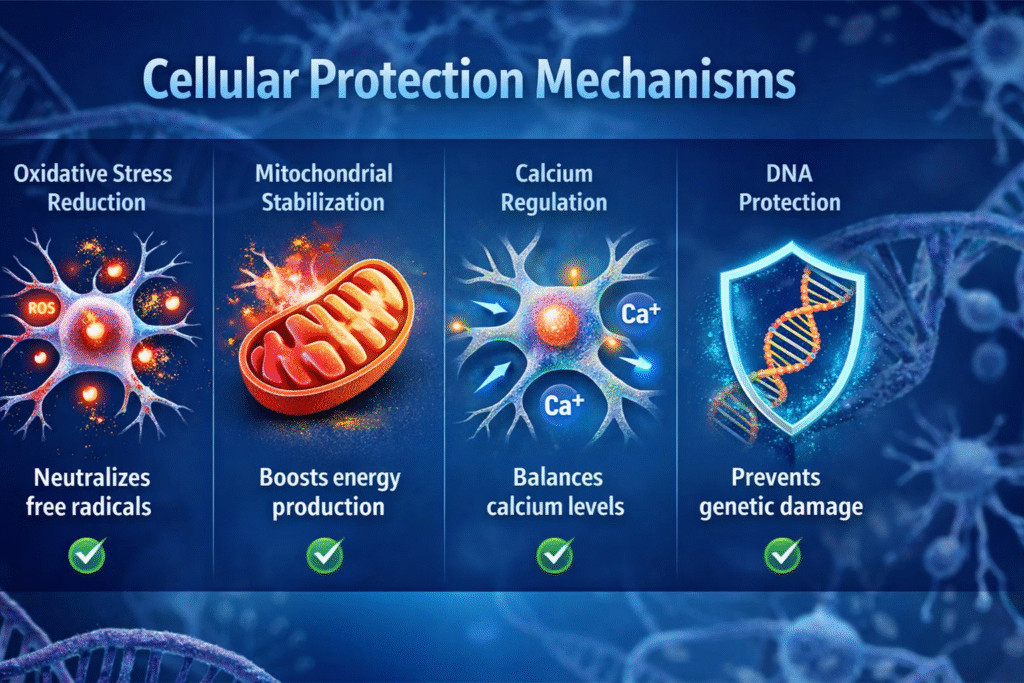
At the cellular level, neuroprotective mechanisms work by limiting oxidative damage, preserving mitochondrial function, and regulating intracellular calcium levels. Oxidative stress occurs when free radicals overwhelm the brain’s antioxidant defenses, damaging neuronal membranes, proteins, and DNA. Neuroprotective compounds often act as antioxidants, neutralizing free radicals and reducing cellular injury [5].
Mitochondria play a central role in neuronal energy production. When mitochondrial function declines, neurons struggle to meet their energy demands, increasing vulnerability to degeneration. Neuroprotection helps stabilize mitochondrial activity and prevent energy failure [6].
Anti-Inflammatory Effects
Neuroinflammation is a common feature of many neurological disorders. Chronic activation of immune cells in the brain, particularly microglia, leads to sustained inflammation and neuronal damage. Neuroprotective agents may reduce the release of pro-inflammatory cytokines and suppress harmful inflammatory signaling pathways [7].
By controlling neuroinflammation, these interventions help preserve neural tissue and prevent further degeneration.
Neurotransmitter Regulation
Healthy brain function depends on balanced neurotransmitter activity. Excessive stimulation by excitatory neurotransmitters can cause calcium overload and neuronal death. Neuroprotective strategies often aim to regulate neurotransmitter release, receptor sensitivity, and synaptic signaling to prevent excitotoxic damage [8].
This regulation supports stable neural communication and cognitive performance.
Importance
Rising Neurological Disorders
Neurological disorders are among the leading causes of disability worldwide. Conditions such as Alzheimer’s disease, Parkinson’s disease, stroke, multiple sclerosis, and traumatic brain injury place a significant burden on individuals, families, and healthcare systems. As life expectancy increases, the prevalence of age-related neurological conditions continues to rise [9].
Neuroprotective strategies are increasingly recognized as essential tools in reducing disease progression, improving patient outcomes, and lowering long-term healthcare costs.
Brain Aging and Cognitive Decline
Aging naturally affects brain structure and function. Neuronal loss, reduced synaptic density, and impaired neurotransmission contribute to declines in memory, attention, and processing speed. Neuroprotection plays a key role in slowing these age-related changes and preserving cognitive abilities [10].
Supporting brain health earlier in life may significantly reduce the risk of cognitive impairment in later years.
Proven Benefits
Cognitive Function Support
Neuroprotective interventions support learning, memory, attention, and executive function by maintaining synaptic plasticity and neuronal connectivity. These benefits are particularly important for individuals experiencing mild cognitive impairment or early cognitive decline [11].
Reduced Risk of Neurodegeneration
Evidence suggests that long-term neuroprotective strategies may delay the onset or slow the progression of neurodegenerative diseases. By limiting oxidative stress and inflammation, these interventions help preserve brain tissue and function [12].
Improved Recovery After Injury
Following stroke or traumatic brain injury, secondary damage often occurs due to inflammation and oxidative stress. Neuroprotection helps minimize this damage, supporting better recovery and functional outcomes [13].
Enhanced Brain Energy Metabolism
Efficient energy metabolism is essential for neuronal survival. Neuroprotective compounds may improve glucose utilization and mitochondrial efficiency, supporting sustained brain activity and mental clarity [14].
Potential Risks
Over-Supplementation
While neuroprotective supplements can be beneficial, excessive intake may disrupt normal neurotransmitter balance or cause toxicity. Fat-soluble compounds, in particular, can accumulate in the body and increase the risk of adverse effects [15].
Drug Interactions
Certain neuroprotective drugs and supplements may interact with medications used to treat depression, epilepsy, or cardiovascular conditions. These interactions can alter drug effectiveness or increase side-effect risk [16].
False Health Claims
The popularity of brain health products has led to exaggerated marketing claims. Not all substances labeled as neuroprotective are supported by strong scientific evidence, making informed decision-making essential [17].
Scientific Evidence
Preclinical Research
Laboratory and animal studies demonstrate that many neuroprotective agents reduce neuronal apoptosis, oxidative damage, and inflammation under controlled conditions. These studies provide important insights into biological mechanisms [18].
Clinical Trials
Human clinical trials show variable but promising results, particularly when neuroprotective strategies are applied early in disease progression. Benefits are often more pronounced in prevention and early intervention than in advanced disease stages [19].
Epidemiological Studies
Population-based studies link healthy dietary patterns and active lifestyles with lower rates of cognitive decline and neurodegenerative disease, supporting the role of natural neuroprotection [20].
Comparison of Neuroprotective Approaches
| Approach | Mechanism | Evidence Strength | Accessibility |
|---|---|---|---|
| Pharmaceuticals | Targeted molecular pathways | High | Prescription only |
| Dietary Supplements | Antioxidant and anti-inflammatory effects | Moderate | Widely available |
| Lifestyle Changes | Blood flow and neuroplasticity enhancement | High | Universal |
| Nutritional Interventions | Cellular protection via nutrients | Moderate to high | Accessible |
Benefits vs Risks Comparison
| Benefits | Risks |
|---|---|
| Preserves neuronal health | Possible drug interactions |
| Supports cognitive function | Overuse side effects |
| Slows neurodegeneration | Variable effectiveness |
| Enhances recovery outcomes | Limited regulation of supplements |
Safe Usage Guidelines
Medical Consultation
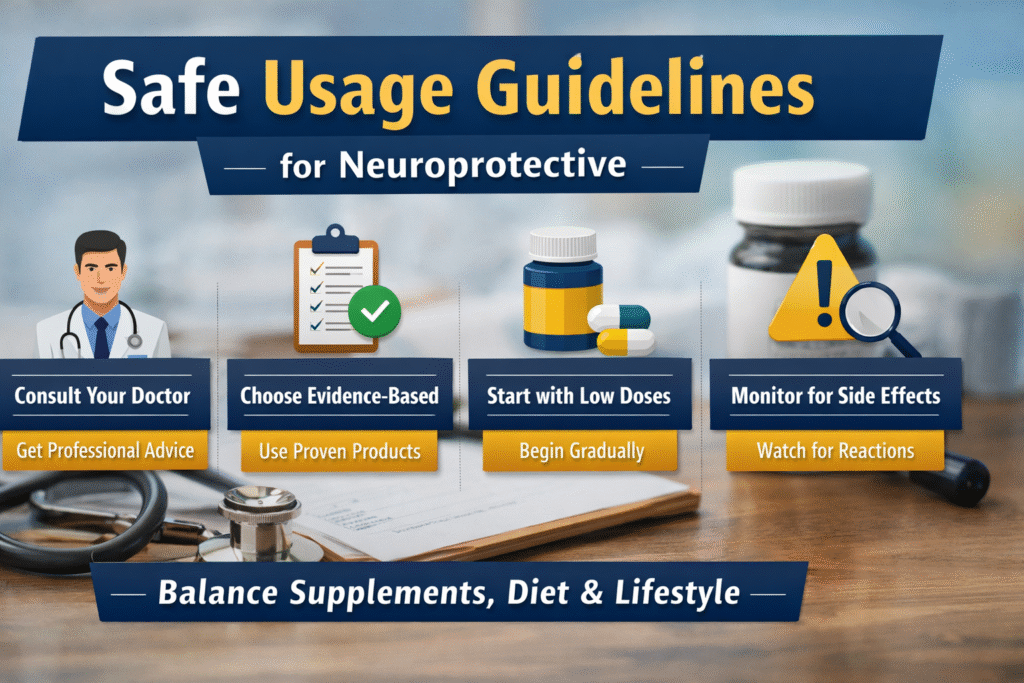
Consulting a qualified healthcare professional before using neuroprotective medications or supplements is essential, particularly for individuals with chronic illnesses or those taking multiple medications [21].
Evidence-Based Choices
Selecting interventions supported by peer-reviewed research helps minimize risk and maximize benefit. Reliable sources include clinical guidelines, academic journals, and reputable health organizations [22].
Balanced Approach
A comprehensive neuroprotective strategy combines nutrition, physical activity, mental stimulation, stress management, and medical guidance. No single intervention provides complete protection [23].
Who Should Avoid It
Pregnant and Nursing Individuals
Some neuroprotective compounds may affect fetal or infant development. Medical supervision is essential before use during pregnancy or breastfeeding [24].
Individuals With Neurological Conditions
People with epilepsy, bipolar disorder, or other neurological conditions should use caution, as certain agents may alter brain excitability [25].
Medication-Dependent Patients
Patients on long-term pharmacological therapy should avoid unsupervised supplementation due to potential interactions [26].
Alternatives
Cognitive Training
Activities such as reading, problem-solving, and learning new skills stimulate neural pathways and promote brain plasticity [27].
Physical Activity
Regular aerobic and resistance exercise improves cerebral blood flow and increases the release of neurotrophic factors that support neuronal growth [28].
Dietary Strategies
Diets rich in fruits, vegetables, healthy fats, and whole grains provide natural antioxidants and anti-inflammatory compounds that support neuroprotection [29].
Expert Opinions
Neurology experts emphasize that neuroprotection is most effective when implemented proactively rather than reactively. Lifestyle-based strategies are widely recommended as foundational approaches that complement medical treatments rather than replace them [30].
Key Takeaways
Neuroprotective strategies aim to protect neurons, preserve cognitive function, and reduce the risk of neurological disorders. Scientific evidence supports their effectiveness when applied consistently and responsibly as part of a holistic brain health plan.
FAQs
Is neuroprotection only for older adults
No. Neuroprotective strategies benefit individuals at all stages of life by supporting long-term brain resilience and function.
Can neuroprotection reverse brain damage
Neuroprotection primarily prevents further damage and slows progression rather than fully reversing existing neuronal loss.
Are supplements enough for neuroprotection
Supplements alone are insufficient. Diet, exercise, mental engagement, and medical care are equally important.
Conclusion
Neuroprotection is a foundational concept in modern neuroscience and preventive health. By understanding how neuroprotective mechanisms work, recognizing their benefits and limitations, and applying evidence-based strategies, individuals can take proactive steps toward lifelong brain health. As research advances, neuroprotection will continue to play a central role in reducing neurological disease burden and supporting cognitive longevity.
References
- Mattson MP, Nature Reviews Neuroscience
- Nicholls DG, Biochimica et Biophysica Acta
- Frank-Cannon TC et al., Neurobiology of Disease
- Butterfield DA, Free Radical Biology & Medicine
- Glass CK et al., Cell
- Dong XX et al., Progress in Neurobiology
- World Health Organization, Neurological Disorders Report
- Harada CN et al., Journal of Gerontology
- Lynch MA, Physiological Reviews
- De Strooper B, Cell
- Lo EH et al., Nature Reviews Neuroscience
- Wallace DC, Annual Review of Biochemistry
- NIH Office of Dietary Supplements
- FDA Drug Safety Communications
- Cochrane Database of Systematic Reviews
- Wang X et al., Journal of Neuroscience
- Alzheimer’s Association Clinical Trials Review
- Morris MC et al., Neurology
- Mayo Clinic Neurology Guidelines
- National Institute of Neurological Disorders and Stroke
- Livingston G et al., The Lancet
- ACOG Clinical Guidelines
- Fisher RS et al., Epilepsia
- Lexicomp Drug Interactions Database
- Park DC et al., Psychological Science
- Erickson KI et al., Proceedings of the National Academy of Sciences
- Gómez-Pinilla F, Nature Reviews Neuroscience
- Neurology Today Expert Panel
- WHO Healthy Aging Report
- Kandel ER et al., Principles of Neural Science
One thought on “What Is Neuroprotective And Why It Truly Matters”