
Dr Ahsan Tariq , MBBS, MRCP (UK ) ongoing, IMT ( Internal Medicine Trainee, NHS England), GMC : 7805049
Dr Ahsan Tariq is a UK-registered medical doctor with a background in internal medicine and a focus on evidence-based research in cognitive health and nootropics. He critically reviews scientific studies, supplements, and ingredients to help readers make informed, safe, and effective choices for brain health and performance.
Introduction: Nitric Oxide vs Blood Pressure
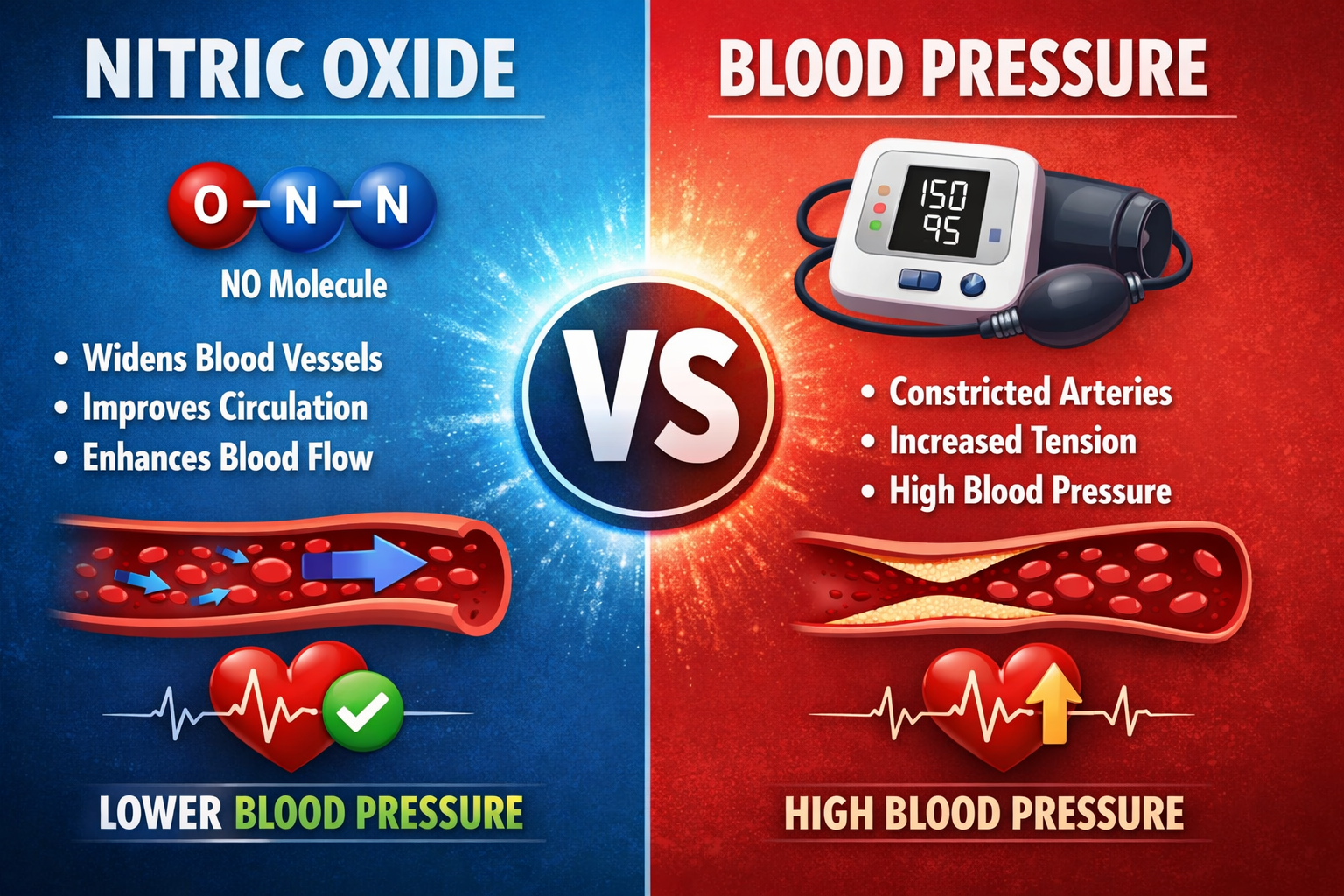
High blood pressure (hypertension) affects more than one billion people worldwide and is a leading risk factor for heart disease, stroke, and kidney failure. In recent years, nitric oxide has gained massive attention as a “natural” solution for improving blood pressure and heart health. But an important question remains: Is nitric oxide truly a helpful cure, or does it carry hidden risks?
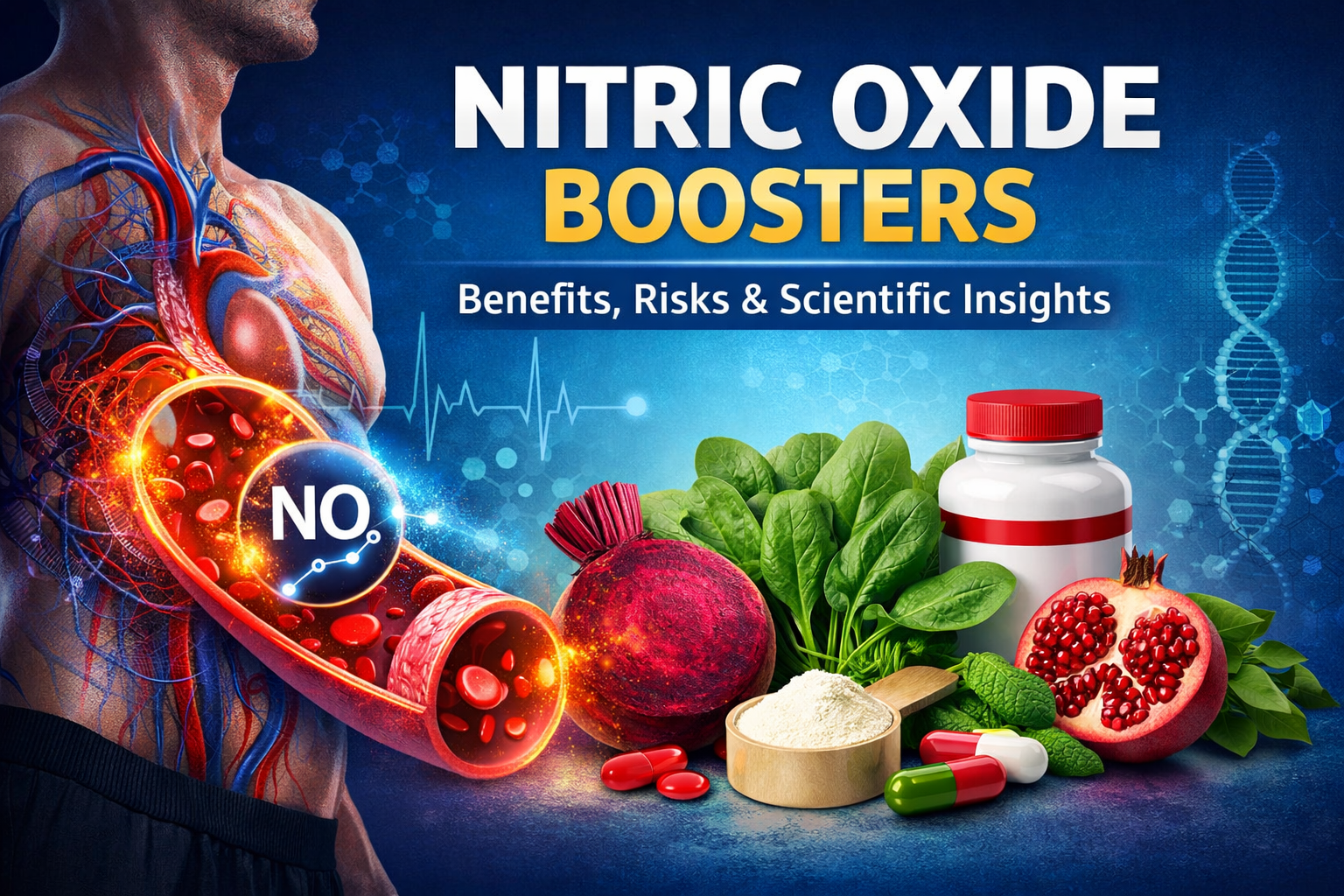
This article explores the science, benefits, dangers, and real effectiveness of nitric oxide for blood pressure control, helping you make an informed decision based on evidence not hype.
What Is Nitric Oxide?
Nitric oxide (NO) is a colorless gas naturally produced by the body. It plays a critical role in many biological processes, especially within the cardiovascular system.
How Nitric Oxide Works in the Body
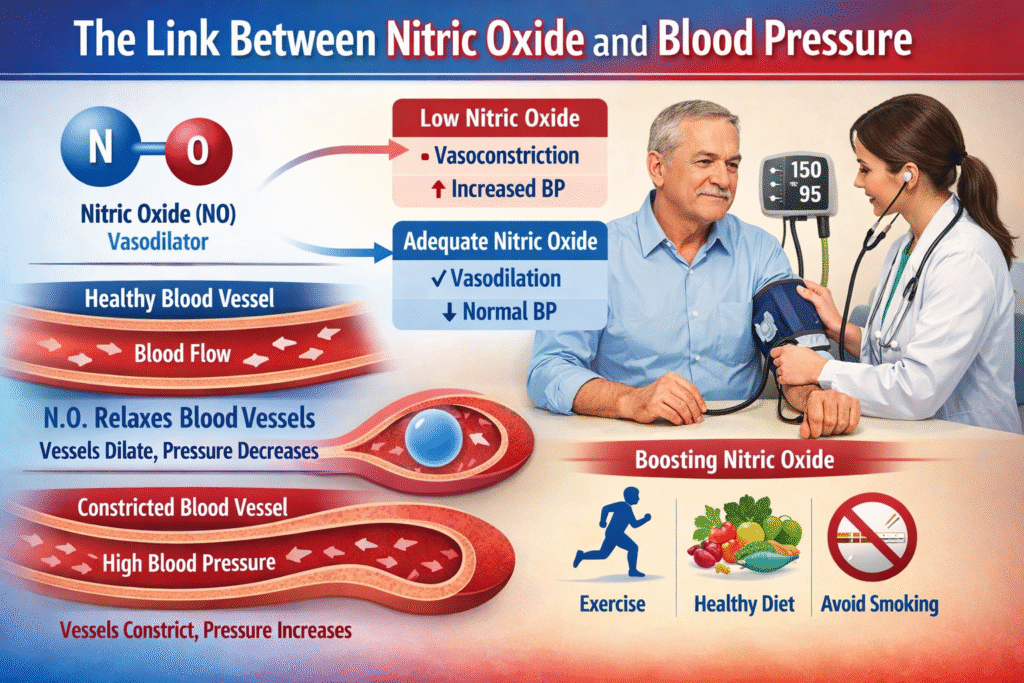
Nitric oxide is produced mainly by the endothelial cells lining blood vessels. Once released, it signals the surrounding muscles to relax, causing blood vessels to widen (vasodilation). This process improves blood flow and reduces pressure on artery walls.
According to early cardiovascular research, nitric oxide acts as a key regulator of vascular tone [1].
Understanding Blood Pressure Basics
Blood pressure measures the force of blood pushing against artery walls. It is expressed using two numbers:
- Systolic pressure (top number): Pressure when the heart contracts
- Diastolic pressure (bottom number): Pressure when the heart relaxes
Normal vs High Blood Pressure Levels
| Category | Systolic | Diastolic |
|---|---|---|
| Normal | <120 | <80 |
| Elevated | 120–129 | <80 |
| Hypertension Stage 1 | 130–139 | 80–89 |
| Hypertension Stage 2 | ≥140 | ≥90 |
Persistent high blood pressure damages blood vessels and increases the risk of heart attack and stroke [2].
The Link Between Nitric Oxide and Blood Pressure
Why Nitric Oxide Is Essential for Vascular Health
Nitric oxide allows blood vessels to remain flexible and responsive. When nitric oxide levels are low, arteries stiffen, causing increased blood pressure.
Studies have shown that people with hypertension often have impaired nitric oxide production [3].
How Nitric Oxide Lowers Blood Pressure
Nitric oxide helps reduce blood pressure by:
- Relaxing blood vessels
- Improving endothelial function
- Reducing arterial stiffness
- Enhancing blood circulation
A clinical study demonstrated that improved nitric oxide availability led to measurable reductions in systolic and diastolic blood pressure [4].
Natural Ways the Body Produces Nitric Oxide
Dietary Sources That Boost Nitric Oxide
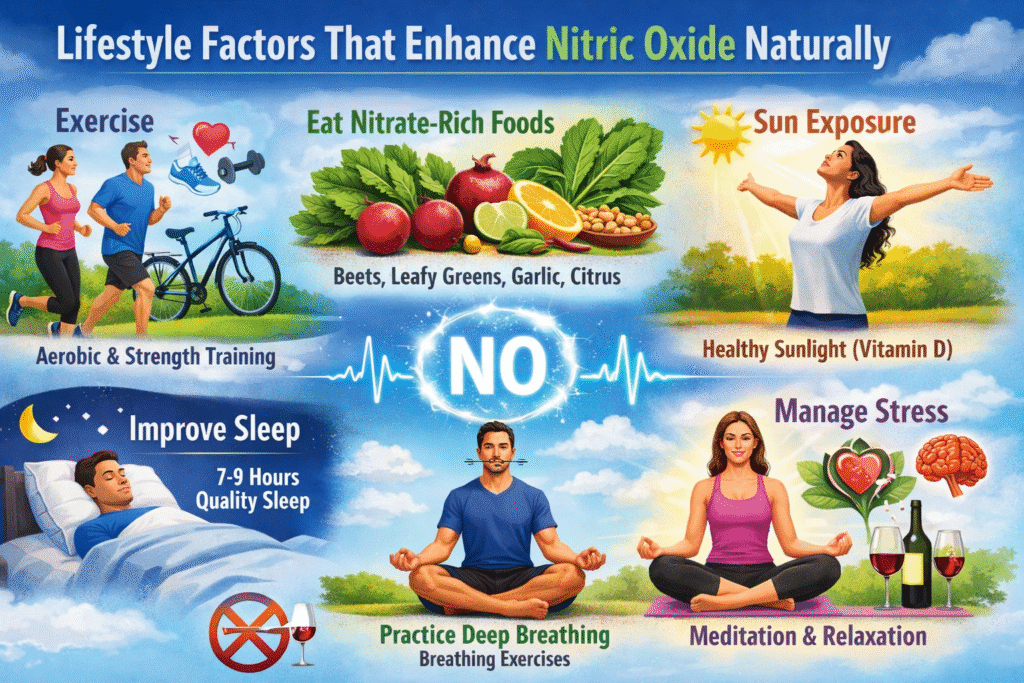
Certain foods support nitric oxide production:
- Leafy greens (spinach, arugula)
- Beets
- Garlic
- Citrus fruits
- Pomegranate
Dietary nitrates from vegetables convert into nitric oxide in the body [5].
Role of Physical Activity
Exercise stimulates nitric oxide release by increasing blood flow and shear stress on vessel walls. Regular aerobic exercise has been shown to enhance nitric oxide bioavailability [6].
Nitric Oxide Supplements: What Are They?
Nitric oxide supplements do not contain nitric oxide directly. Instead, they include precursors such as:
- L-arginine
- L-citrulline
- Beetroot extract
These compounds help the body produce more nitric oxide [7].
Potential Benefits of Nitric Oxide for Blood Pressure
1. Blood Vessel Relaxation
Nitric oxide causes vasodilation, which lowers resistance within arteries. This mechanism is widely recognized in cardiovascular medicine [8].
2. Improved Endothelial Function
Healthy endothelial cells produce adequate nitric oxide. Supplementation may improve endothelial dysfunction linked to hypertension [9].
3. Reduced Arterial Stiffness
Arterial stiffness is a major contributor to high blood pressure. Nitric oxide improves arterial elasticity [10].
4. Enhanced Oxygen and Nutrient Delivery
Better blood flow improves oxygen delivery to tissues, supporting overall cardiovascular performance [11].
Clinical Evidence: Does Nitric Oxide Really Work?
Findings From Scientific Studies
A meta-analysis of randomized trials found that nitric oxide precursor supplements modestly reduced blood pressure, particularly in individuals with hypertension [12].
Another study observed that beetroot juice lowered systolic blood pressure by up to 10 mmHg in some participants [13].
However, results are not consistent across all populations [14].
Hidden Risks and Potential Side Effects
1. Excessive Blood Pressure Drop
Too much nitric oxide may cause hypotension, leading to dizziness, fatigue, or fainting [15].
2. Interactions With Blood Pressure Medications
Nitric oxide supplements may amplify the effects of antihypertensive drugs, increasing the risk of dangerously low blood pressure [16].
3. Digestive and Headache Issues
Common side effects include:
- Nausea
- Diarrhea
- Headaches
These effects have been reported in supplement trials [17].
Is Nitric Oxide Safe for Everyone?
Who May Benefit the Most
Nitric oxide support may be helpful for:
- Adults with mild hypertension
- People with endothelial dysfunction
- Individuals following a low-nitrate diet
Who Should Be Cautious
Nitric oxide supplementation may not be suitable for:
- People with low blood pressure
- Those taking nitrate medications
- Individuals with kidney disease
Medical supervision is strongly advised [18].
Nitric Oxide vs Traditional Blood Pressure Treatments
| Aspect | Nitric Oxide | Prescription Drugs |
|---|---|---|
| Mechanism | Vasodilation | Multiple pathways |
| Speed | Moderate | Often faster |
| Regulation | Variable | Clinically controlled |
| Risk Level | Mild–Moderate | Drug-specific |
While nitric oxide supports vascular health, it should not replace prescribed medications without medical approval [19].
Nutrition
A Mediterranean-style diet rich in vegetables improves nitric oxide production [20].
Exercise
Regular aerobic exercise remains one of the most reliable ways to improve nitric oxide levels naturally [21].
Oral Health
Mouth bacteria help convert nitrates to nitric oxide. Excessive antibacterial mouthwash use may reduce nitric oxide availability [22].
Common Myths About Nitric Oxide and Blood Pressure
Myth 1: Nitric Oxide Cures Hypertension
Nitric oxide is supportive, not a cure. Long-term blood pressure control requires lifestyle changes and medical care [23].
Myth 2: More Nitric Oxide Is Always Better
Excess nitric oxide can be harmful and may increase oxidative stress [24].
Expert Opinions and Medical Guidelines
Cardiology guidelines emphasize diet, exercise, and medication adherence as primary hypertension treatments. Nitric oxide support is considered an adjunct, not a replacement [25].
Final Verdict: Helpful Cure or Hidden Risk?
Nitric oxide plays a vital role in blood pressure regulation and vascular health. Scientific evidence supports its ability to modestly lower blood pressure, especially when combined with healthy lifestyle habits.
However, nitric oxide is not a standalone cure and may pose risks if misused or taken without medical guidance. The key lies in balance, personalization, and professional oversight.
References
- Endothelial nitric oxide signaling research (1998)
- Global hypertension statistics review (2019)
- Endothelial dysfunction and hypertension study (2005)
- Clinical vasodilation trial (2001)
- Dietary nitrate metabolism review (2010)
- Exercise-induced nitric oxide study (2007)
- Nitric oxide precursor mechanisms (2012)
- Vascular tone regulation research (1997)
- Endothelial health meta-analysis (2014)
- Arterial stiffness review (2016)
- Circulatory oxygen delivery study (2009)
- Meta-analysis on NO supplements (2018)
- Beetroot juice blood pressure trial (2013)
- Population response variability study (2015)
- Hypotension risk assessment (2011)
- Drug–supplement interaction report (2017)
- Supplement safety trial (2014)
- Clinical contraindications guideline (2020)
- Comparative hypertension treatment review (2016)
- Mediterranean diet cardiovascular study (2012)
- Aerobic exercise vascular function research (2008)
- Oral microbiome and nitric oxide study (2015)
- Hypertension management guideline (2021)
- Oxidative stress and nitric oxide review (2010)
- Cardiology consensus statement (2022)
One thought on “Nitric Oxide vs Blood Pressure: Helpful Cure or Hidden Risk?”