Dr Ahsan Tariq , MBBS, MRCP (UK ) ongoing, IMT ( Internal Medicine Trainee, NHS England), GMC : 7805049
Dr Ahsan Tariq is a UK-registered medical doctor with a background in internal medicine and a focus on evidence-based research in cognitive health and nootropics. He critically reviews scientific studies, supplements, and ingredients to help readers make informed, safe, and effective choices for brain health and performance.
Introduction
Nitric oxide (NO) boosters have become a major topic in health, fitness, and medical communities due to their potential to improve blood flow, cardiovascular health, exercise performance, and cognitive function [1]. From athletes seeking enhanced endurance to individuals aiming to support heart health, nitric oxide boosters are widely explored as a natural way to optimize bodily functions [2].
Despite their popularity, many people are unclear about how they work, their scientifically proven benefits, potential risks, and the safest ways to use them. This article provides a comprehensive, evidence-based guide on nitric oxide boosters, explaining everything from their physiological roles to practical usage strategies [30].
Understanding The Topic
What Is Nitric Oxide
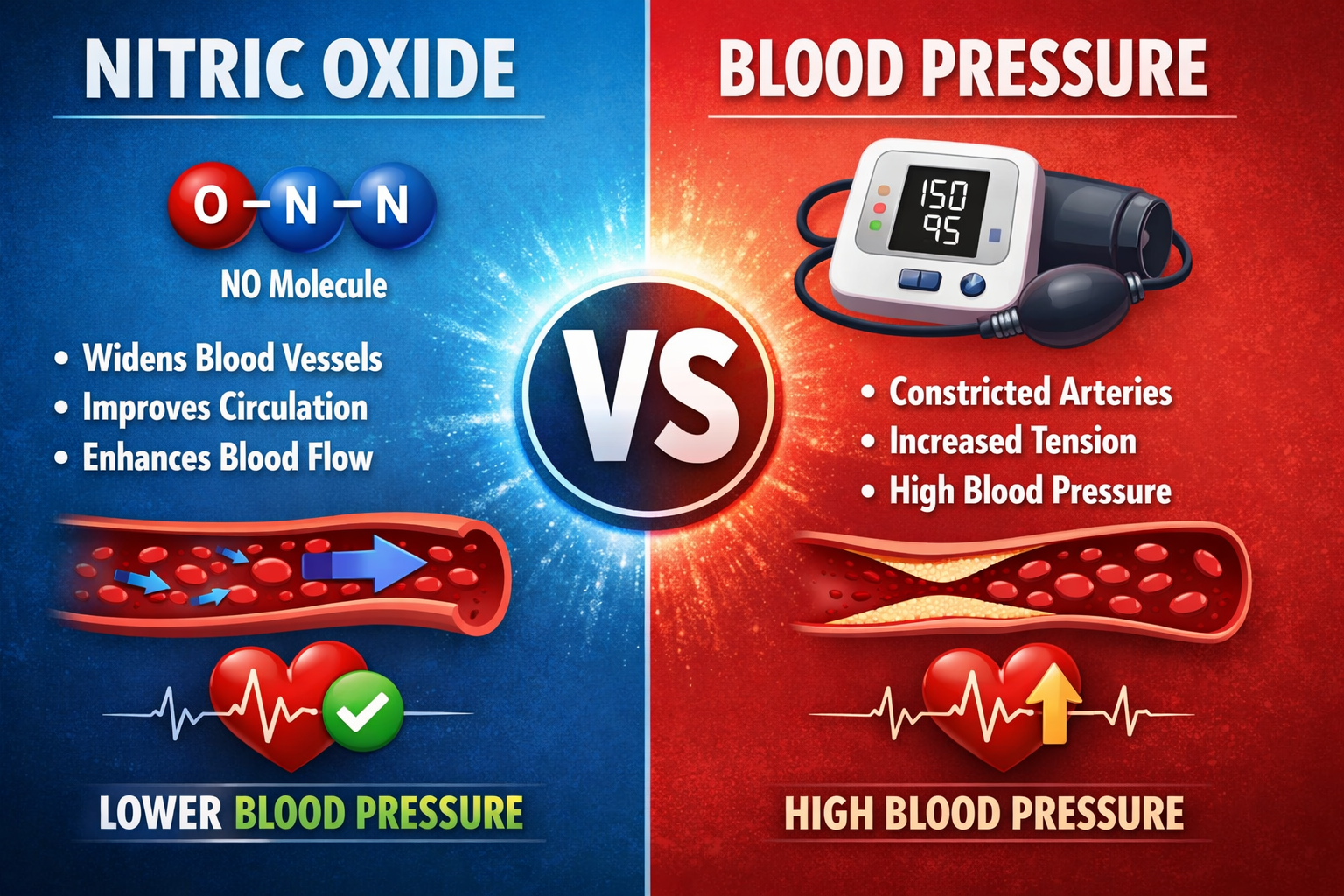
Nitric oxide is a naturally occurring gas in the human body that acts as a signaling molecule [4]. It plays a key role in relaxing blood vessels (vasodilation), which improves blood circulation and enhances oxygen and nutrient delivery to tissues [5].
The body produces NO mainly through:
- L-arginine pathway – L-arginine is converted to NO by nitric oxide synthase enzymes [6].
- Nitrate-nitrite pathway – dietary nitrates from vegetables are converted to nitrite and then to NO [7].
What Are Nitric Oxide Boosters
Nitric oxide boosters are supplements or functional foods designed to increase NO levels in the body [8]. They commonly contain:
- L-arginine: Direct precursor of nitric oxide, supporting vasodilation [9].
- L-citrulline: Converts to arginine, enhancing NO synthesis [9].
- Beetroot extract: Rich in dietary nitrates, boosts NO levels naturally [29].
- Pomegranate & polyphenols: Enhance NO bioavailability [24].
How Nitric Oxide Boosters Work
Nitric Oxide Production Pathways
Nitric oxide is synthesized by the body through two primary mechanisms:
- Enzymatic Pathway: L-arginine → NO via nitric oxide synthase [10].
- Dietary Nitrate Pathway: Nitrate → Nitrite → NO through enzymatic and non-enzymatic reactions [10].
Effects on Blood Vessels
Once produced, NO signals smooth muscles in blood vessel walls to relax. This vasodilation increases vessel diameter, reduces vascular resistance, and improves circulation [11]. Enhanced blood flow allows better delivery of oxygen and nutrients to muscles, the brain, and other vital organs [12].
Importance of Nitric Oxide Boosters
Cardiovascular Health
Nitric oxide helps maintain healthy blood pressure and supports endothelial function [13]. Reduced NO levels have been linked to hypertension and cardiovascular disease, highlighting its importance for heart health [13].
Physical Performance
Improved blood flow supports oxygen and nutrient delivery to muscles, enhancing endurance, strength, and recovery during physical activity [14].
Brain Function
NO-mediated circulation increases cerebral blood flow, which may support focus, memory, and overall cognitive performance [18].
Aging and Vascular Function
Nitric oxide production naturally declines with age, contributing to vascular stiffness and reduced circulation [24]. Supplementation can help counteract these age-related declines.
Proven Benefits
Improved Blood Flow
Clinical studies consistently demonstrate that nitric oxide boosters enhance vascular dilation and circulation, supporting overall cardiovascular health [15].
Enhanced Exercise Performance
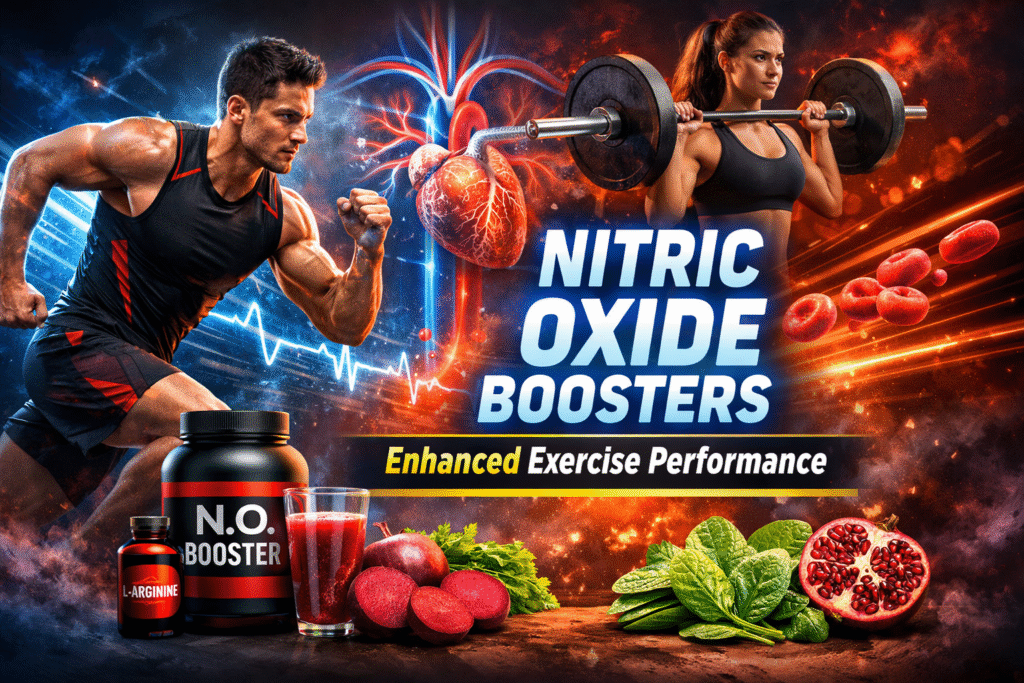
NO supplementation improves exercise efficiency, endurance, and reduces fatigue, making it popular among athletes [16].
Heart Health Support
NO contributes to arterial flexibility, reduces arterial stiffness, and promotes long-term cardiovascular function [17].
Cognitive Function
Increased blood flow to the brain is linked with improved mental clarity and cognitive performance, especially in aging adults [18].
Potential Risks
While generally safe, nitric oxide boosters may carry some risks:
- Low Blood Pressure: Excess NO can cause hypotension in sensitive individuals [19].
- Digestive Issues: Some experience bloating, nausea, or diarrhea, especially with amino acid supplements [20].
- Medication Interactions: NO boosters may amplify effects of blood pressure or heart medications [21].
- Individual Variability: Genetics, diet, and baseline NO levels affect results [28].
Scientific Evidence
- Clinical Studies: NO supplementation improves endothelial function in adults at cardiovascular risk [22].
- Athletic Research: Nitrate supplementation shows modest but consistent improvements in exercise efficiency [23].
- Aging and NO: Production declines with age, reducing vascular elasticity [24].
- Comprehensive Understanding: A comprehensive nitric oxide overview provides detailed insight into NO pathways, physiological roles, and supplementation strategies [30].
Comparison Tables
Benefits Vs Risks
| Aspect | Benefits | Risks |
|---|---|---|
| Circulation | Improved blood flow [15] | Low blood pressure [19] |
| Exercise | Increased endurance [16] | Digestive discomfort [20] |
| Heart Health | Supports vascular flexibility [17] | Medication interactions [21] |
Top Nitric Oxide Boosting Foods & Supplements
| Source | Type | Typical Effect |
|---|---|---|
| Beetroot | Food | Boosts nitrate → NO levels [29] |
| Spinach | Food | Natural nitrate, improves circulation [29] |
| L-Arginine | Supplement | Precursor to NO, supports vasodilation [9] |
| L-Citrulline | Supplement | Converts to arginine, enhances NO synthesis [9] |
| Pomegranate | Food | Polyphenols enhance NO availability [24] |
| Arugula | Food | Rich in nitrates, supports vascular health [29] |
Safe Usage Guidelines
- Follow dosage instructions on supplements [25].
- Combine with nitrate-rich foods like leafy greens and beets [29].
- Avoid excessive long-term doses; periodic breaks are recommended [26].
- Stay hydrated to maximize efficacy [24].
Who Should Avoid Nitric Oxide Boosters
- Individuals with heart conditions, kidney disease, or chronic low blood pressure should consult a doctor before use [27].
- Pregnant or breastfeeding individuals due to limited safety data [28].
- Those on blood pressure medications should monitor for potential interactions [21].
Alternatives To Nitric Oxide Boosters
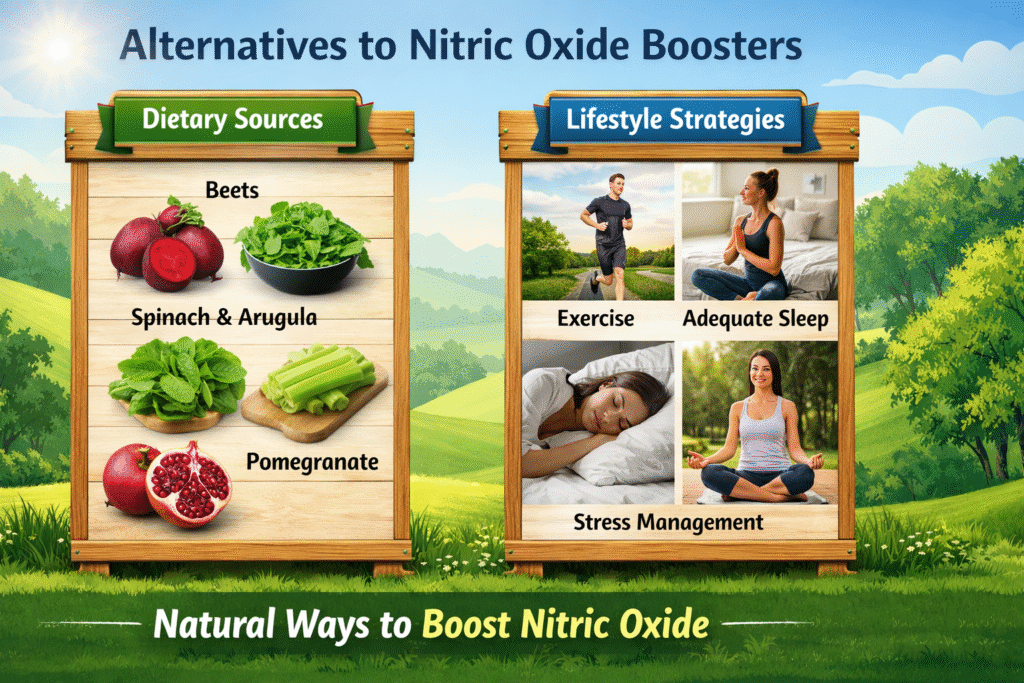
- Dietary Sources: Spinach, arugula, beets, celery [29].
- Lifestyle Strategies: Regular exercise, adequate sleep, and stress management enhance NO availability [24].
Expert Opinions
- Cardiology Experts: Maintaining natural NO balance is generally more effective than aggressive supplementation [22].
- Sports Nutritionists: Prefer food-based nitrate sources for sustained nitric oxide support [23].
Key Takeaways
- Nitric oxide boosters can support vascular, cardiovascular, and cognitive health [1].
- Food-based nitrate intake may provide similar benefits to supplements [29].
- Individual response varies; a personalized approach works best [28].
- Combining healthy lifestyle habits with supplementation provides optimal results [30].
- Consult healthcare professionals before use, especially if you have existing medical conditions [27].
- NO supplementation is not a cure-all, but it can significantly support exercise performance and overall wellness [16].
FAQs
Are Nitric Oxide Boosters Safe?
For most healthy adults, NO boosters are safe when used according to guidelines [27].
Do They Work For Everyone?
Effectiveness varies depending on age, health status, diet, and baseline nitric oxide levels [28].
Can Food Replace Supplements?
A nitrate-rich diet including beets, spinach, and celery can provide similar benefits without supplementation [29].
How Long Before Effects Are Noticeable?
Exercise performance benefits may appear within hours, while cardiovascular effects often require several weeks of consistent use [16].
Can Nitric Oxide Boosters Help Aging Adults?
Yes. As NO production declines with age, supplementation can help maintain circulation, vascular flexibility, and cognitive function [24].
Are There Side Effects?
Mild side effects such as nausea, diarrhea, or low blood pressure may occur in sensitive individuals [19,20].
Should Athletes Take Them Daily?
Pre-workout supplementation is common, but daily long-term use should be monitored for safety [16].
What Are the Best Natural Sources?
Beets, spinach, arugula, celery, and pomegranate are top natural nitric oxide boosters [29].
Conclusion
Nitric oxide boosters offer significant potential to enhance blood flow, cardiovascular function, exercise performance, and cognitive clarity [1,16]. Scientific studies support their benefits, particularly for individuals with low nitric oxide levels or cardiovascular risk [22].
However, supplementation should be approached carefully due to potential side effects and interactions with medications [19,21]. A balanced approach combining nitrate-rich foods, lifestyle habits, and careful supplementation provides the safest and most effective strategy [30].
Ultimately, nitric oxide boosters are a powerful addition to a wellness plan when used correctly. They are not a substitute for healthy living, but when combined with proper diet, exercise, and medical guidance, they can significantly enhance vascular health, exercise efficiency, and overall quality of life [30].
References
- Nitric oxide as a signaling molecule in vascular biology
- Role of NO in physical performance and health
- Overview of nitric oxide boosters
- Nitric oxide synthesis and pathways
- Vasodilation and circulation mechanisms
- L-arginine pathway for NO
- Dietary nitrate-nitrite-NO pathway
- Nitric oxide boosters explained
- L-arginine and L-citrulline as NO precursors
- Nitric oxide enzymatic and dietary pathways
- Effects of NO on blood vessels
- Blood flow and tissue oxygenation
- Cardiovascular importance of NO
- NO in exercise physiology
- Clinical evidence for blood flow improvement
- Exercise performance studies
- Heart health and arterial flexibility
- Cognitive function and NO
- Low blood pressure risk
- Digestive side effects
- Medication interactions
- Endothelial function clinical study
- Nitrate supplementation meta-analysis
- Aging and nitric oxide
- Safe usage recommendations
- Duration and dosage considerations
- Medical contraindications
- Individual variability
- Natural nitrate-rich foods
- Comprehensive nitric oxide overview