
Dr Ahsan Tariq , MBBS, MRCP (UK ) ongoing, IMT ( Internal Medicine Trainee, NHS England), GMC : 7805049
Dr Ahsan Tariq is a UK-registered medical doctor with a background in internal medicine and a focus on evidence-based research in cognitive health and nootropics. He critically reviews scientific studies, supplements, and ingredients to help readers make informed, safe, and effective choices for brain health and performance.
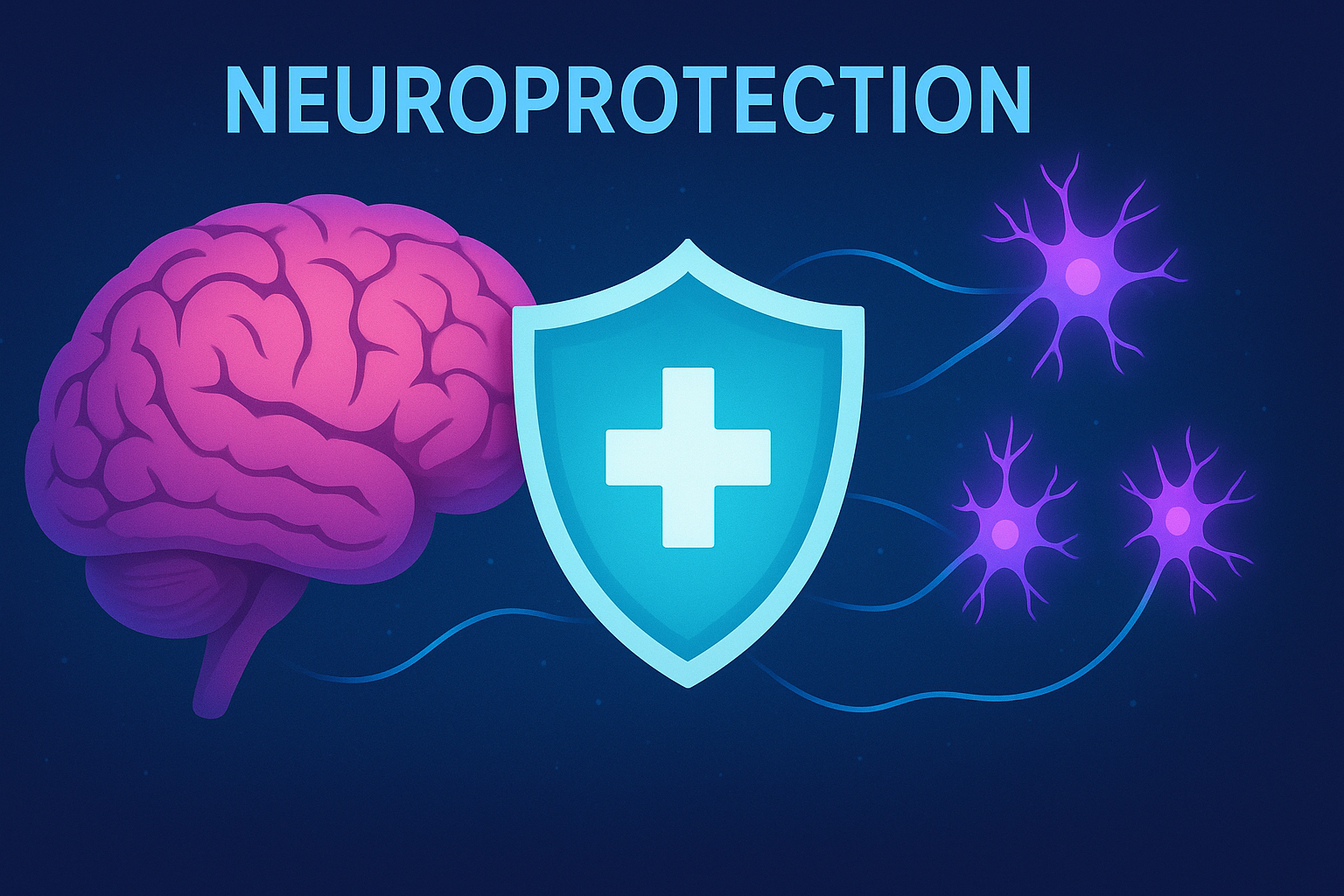
Introduction Neuroprotection:
Modern life pushes our brains harder than ever constant stress, digital overload, poor lifestyle habits, and environmental toxins all threaten long-term brain health. This is where neuroprotection becomes essential.
Neuroprotection refers to strategies that preserve brain cells, strengthen cognitive performance, and prevent damage caused by stress, inflammation, and aging. When done correctly, it can help you:
- Stay mentally sharp
- Improve focus and clarity
- Protect memory
- Reduce fatigue and stress impact
- Support long-term brain wellness
In this detailed guide, you will discover the 7 science-backed neuroprotection secrets to help you defeat stress and gain focus fast and naturally.
What Is Neuroprotection?
Neuroprotection includes lifestyle, nutritional, and behavioral strategies that minimize brain cell damage and boost cognitive resilience.
Your brain is constantly working processing memories, emotions, decisions, and learning. But stress, toxins, unhealthy diet, and lack of sleep can impair these functions.
Effective neuroprotection helps your brain:
- Reduce inflammation
- Repair damaged neurons
- Improve communication between brain cells
- Protect against oxidative stress
- Build long-term mental strength
Why Stress Damages the Brain
Stress releases high levels of cortisol, a hormone that becomes harmful when elevated for too long.
Effects of chronic stress on the brain
- Shrinks the prefrontal cortex (your focus & decision center)
- Weakens memory formation
- Reduces nerve cell connections
- Increases inflammation
- Raises risk of mental fatigue
This is why many people under stress experience:
Brain fog, forgetfulness, slow thinking, irritability, lack of focus, and low motivation.
Neuroprotection works to reverse these effects and strengthen your brain’s defenses.
The 7 Secrets of Neuroprotection: Defeat Stress, Gain Focus Fast
Secret 1: Harness Antioxidant-Rich Foods
Antioxidants protect neurons from oxidative stress a major cause of brain aging.
Best brain-protecting foods
- Blueberries
- Green tea
- Turmeric (curcumin)
- Spinach
- Walnuts
- Dark chocolate (70% cocoa)
- Tomatoes (lycopene)
How it helps
Antioxidants neutralize free radicals, helping maintain clarity, memory, and cognitive speed.
Secret 2: Use Adaptogens to Reduce Stress Fast
Adaptogens are natural herbs that help regulate stress hormones and protect neurons.
Top adaptogens for neuroprotection
- Ashwagandha
- Rhodiola rosea
- Ginseng
- Holy basil
- Lion’s Mane mushroom
Benefits
- Lower cortisol
- Enhance resilience
- Improve concentration
- Support long-term brain health
Secret 3: Prioritize Deep, Restorative Sleep
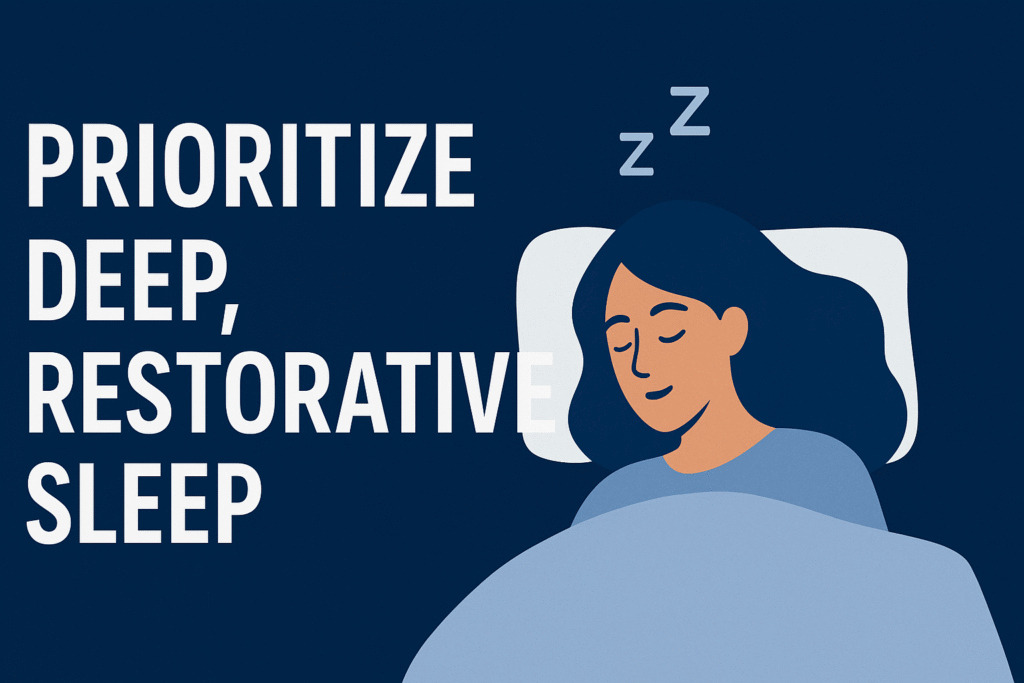
Sleep is the brain’s repair system.
During deep sleep, the brain removes toxins and strengthens neural connections.
Tips for neuroprotective sleep
- Maintain a fixed sleep routine
- Reduce screens 1 hour before bed
- Avoid caffeine late in the day
- Keep room cool and dark
Benefits
- Stronger memory
- Faster learning
- Improved focus
- Reduced stress impact
Secret 4: Exercise to Boost Brain Growth
Exercise increases BDNF (Brain-Derived Neurotrophic Factor) a protein that protects and repairs neurons.
Best neuroprotective exercises
- Fast walking
- Cycling
- Swimming
- Yoga
- Moderate strength training
Results
- Better mood
- Sharper focus
- Stronger brain cells
- Enhanced energy
Secret 5: Protect Your Brain With Omega-3 Fatty Acids
Omega-3s are essential fats that form the structure of brain cells.
Sources
- Salmon
- Sardines
- Chia seeds
- Flaxseeds
- Walnuts
Benefits
- Sharp memory
- Smooth communication between neurons
- Lower inflammation
- Reduced anxiety
Secret 6: Train Your Brain Daily
Just like muscles, your brain gets stronger when you challenge it.
Powerful brain exercises
- Learning new skills
- Reading
- Puzzles & memory games
- Meditation
- Language learning
Benefits
- Faster processing
- Improved mental flexibility
- Better creativity
- Long-term cognitive protection
Secret 7: Detox Your Environment
Your surroundings impact your brain more than you think.
Common toxins affecting brain health
- Air pollution
- Chemical cosmetics
- Processed foods
- Artificial fragrances
- Heavy metals in water
How to protect yourself
- Use clean water filters
- Choose natural products
- Ventilate your home
- Avoid ultra-processed foods
Benefits
- Cleaner, faster thinking
- Reduced headaches
- Better focus
- Lower inflammation
Neuroprotection Daily Checklist (Simple & Practical)
| Activity | Purpose | Benefit |
|---|---|---|
| 7–8 hours of sleep | Brain repair | Better memory |
| 30 mins exercise | Boost BDNF | Sharper focus |
| Colorful veggies | Antioxidants | Cell protection |
| Omega-3 rich meals | Neuron support | Mental clarity |
| Stress-reducing herbs | Lower cortisol | Calm mind |
| Hydration | Nutrient flow | Reduced fatigue |
| Brain games | Mental training | Stronger cognition |
Conclusion
Neuroprotection is not a luxury it’s a necessity for anyone living in a high-stress, fast-paced world. By applying these 7 secrets, you can defeat stress, sharpen your focus, boost energy, and protect your long-term brain health.
Start small. Stay consistent.
Your brain will reward you with clarity, calmness, and peak performance.
References
- Harvard Health Publishing – “Foods Linked to Better Brainpower.”
- Mayo Clinic – “Stress Management and Health Effects.”
- Cleveland Clinic – “Omega-3 Fatty Acids and Brain Function.”
- National Institutes of Health – “Neuroprotective Effects of Exercise.”
- American Psychological Association – “Impact of Stress on Cognitive Function.”
- National Sleep Foundation – “Why Sleep Is Essential for Brain Health.”
- Journal of Nutrition – Antioxidants and Cognitive Performance Studies.
- Johns Hopkins Medicine – “Brain Health and Lifestyle Recommendations.”
- Journal of Neurochemistry – “Effects of Adaptogens on Neuroprotection.”
- University of California, Berkeley – “Neuronal Repair and BDNF Research.”
2 thoughts on “Neuroprotection 7 Secrets: Defeat Stress, Gain Focus Fast”