
Dr Ahsan Tariq , MBBS, MRCP (UK ) ongoing, IMT ( Internal Medicine Trainee, NHS England), GMC : 7805049
Dr Ahsan Tariq is a UK-registered medical doctor with a background in internal medicine and a focus on evidence-based research in cognitive health and nootropics. He critically reviews scientific studies, supplements, and ingredients to help readers make informed, safe, and effective choices for brain health and performance.
Introduction
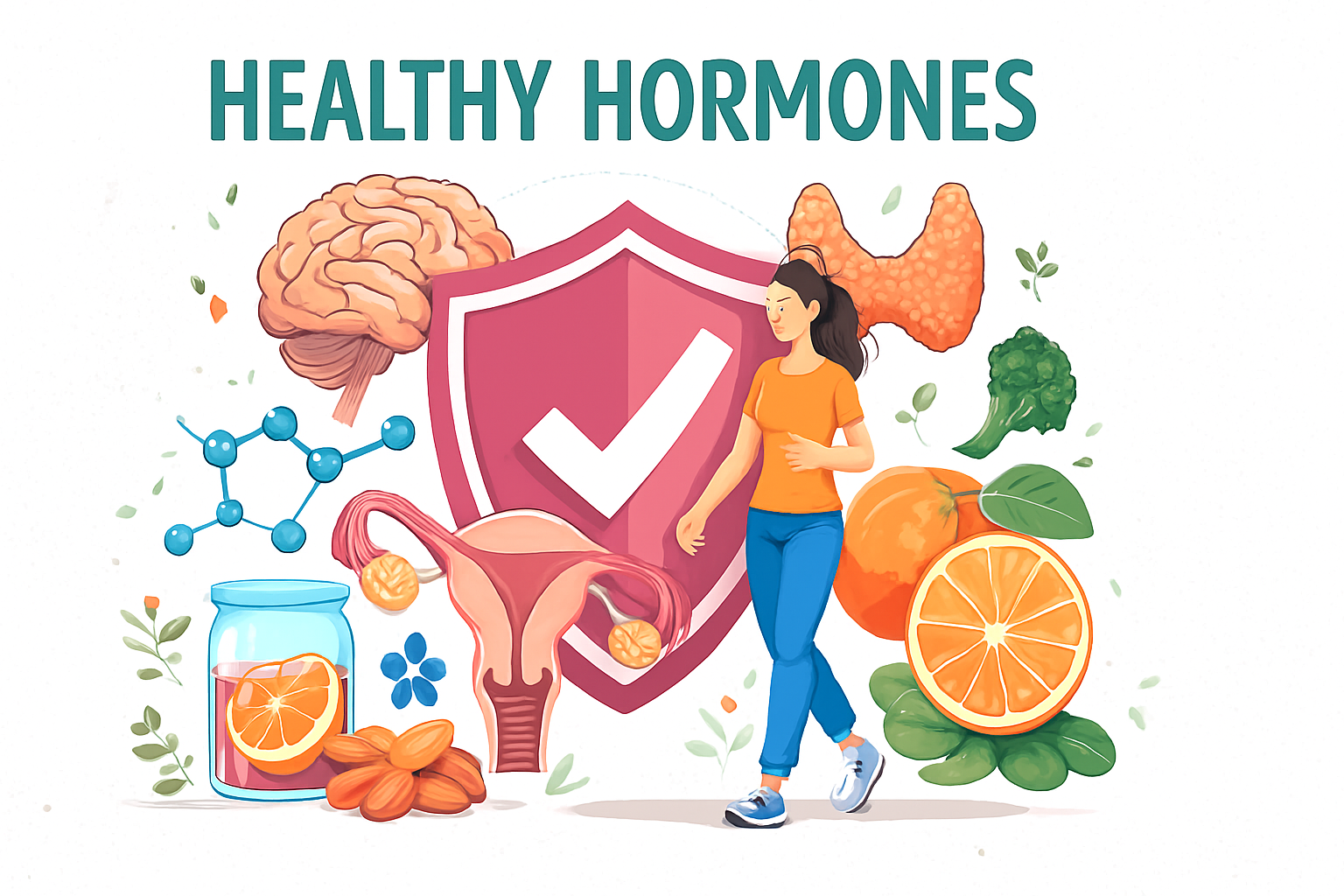
Healthy Hormones are the body’s silent messengers tiny but powerful chemicals that regulate nearly every essential function, from energy levels and sleep to metabolism, stress response, reproduction, and mood stability. When your hormones are balanced, you feel strong, calm, and energized. But even a slight disruption can trigger symptoms such as fatigue, mood swings, weight shifts, and sleep disturbances.
Understanding how hormones work is the first step toward restoring balance and promoting long-term wellness.
The Role of Hormones in Overall Health
Hormones produced by the thyroid, adrenal glands, ovaries, testes, and pancreas circulate through the bloodstream, delivering instructions to tissues and organs. They influence:
- Metabolism and calorie burning
- Mood and emotional regulation
- Growth and development
- Reproductive function and fertility
- Immune system activity
- Stress response
- Energy production
When hormone production becomes excessive or insufficient, normal body processes are disrupted, leading to multiple health concerns.
Common causes of hormonal imbalance include aging, stress, nutrient deficiencies, sleep disruption, weight fluctuations, toxins, and underlying diseases.
Major Hormones and Their Functions
Estrogen and Progesterone
These female sex hormones regulate menstruation, fertility, bone density, and heart health. Imbalance can lead to PMS, irregular cycles, hot flashes, and mood disturbances.
Testosterone
Essential for both men and women, testosterone supports:
- Muscle mass
- Libido
- Mood and motivation
- Confidence
- Energy
Low levels can cause fatigue, reduced libido, and loss of strength.
Cortisol
Known as the “stress hormone,” cortisol controls:
- Blood sugar
- Metabolism
- Inflammation
- Sleep cycles
Chronic stress elevates cortisol, contributing to weight gain, anxiety, and poor sleep.
Thyroid Hormones (TSH, T3, T4)
These hormones regulate:
- Metabolism
- Body temperature
- Digestion
- Energy levels
Low thyroid levels cause fatigue, weight gain, hair loss, and cold intolerance; high levels may cause anxiety, palpitations, and restlessness.
Insulin
Produced by the pancreas, insulin regulates blood sugar. Insulin resistance is linked with:
- Diabetes
- PCOS
- Obesity
- Heart disease
DHEA
A precursor to testosterone and estrogen, DHEA supports:
- Mood
- Energy
- Immune function
- Libido
Low levels are associated with fatigue and signs of aging.
Common Symptoms of Hormonal Imbalance
Signs may vary by individual but commonly include:
- Irregular or absent periods
- Chronic fatigue
- Unexplained weight gain or loss
- Anxiety, irritability, or mood swings
- Sleep disturbances or insomnia
- Low libido or fertility issues
- Depression or low motivation
Recognizing these symptoms early allows timely intervention.
Factors That Disrupt Hormonal Balance
Aging
Hormones naturally decline with age:
- Women experience drops in estrogen and progesterone during menopause.
- Men gradually lose testosterone starting around age 30.
These changes affect metabolism, mood, and sexual health, but symptoms can be managed with lifestyle adjustments and medical therapies.
Chronic Stress
Prolonged stress increases cortisol, which can:
- Suppress reproductive hormones
- Slow thyroid function
- Disrupt sleep
- Promote abdominal fat storage
Stress management is essential for hormonal health.
Poor Diet, Lack of Exercise, and Weight Changes
Unhealthy lifestyle habits interfere with hormone production. Balanced nutrition and regular activity support natural hormone regulation.
Environmental Toxins
Many everyday items contain endocrine-disrupting chemicals, including:
- BPA (plastics)
- Pesticides
- Nonorganic produce
- Chemical cosmetics
- Home cleaning products
These toxins mimic or block hormones, causing imbalance.
Natural Approaches to Support Hormonal Balance
Nutrition for Healthy Hormones
1. High-Quality Protein
Needed for hormone synthesis:
- Eggs
- Poultry
- Fish
- Legumes
- Lentils
2. Healthy Fats
Support steroid hormone production:
- Avocado
- Nuts and seeds
- Olive oil
- Fatty fish
3. Fiber-Rich Foods
Help eliminate excess estrogen and improve digestion:
- Vegetables
- Fruits
- Whole grains
- Leafy greens
4. Antioxidant-Rich Foods
Protect hormone-secreting glands:
- Berries
- Green tea
- Turmeric
- Dark chocolate
5. Vitamin D
Low vitamin D is linked to poor insulin sensitivity, low testosterone, and low mood. Sources include sunlight, eggs, dairy, and fish.
Exercise and Hormonal Health
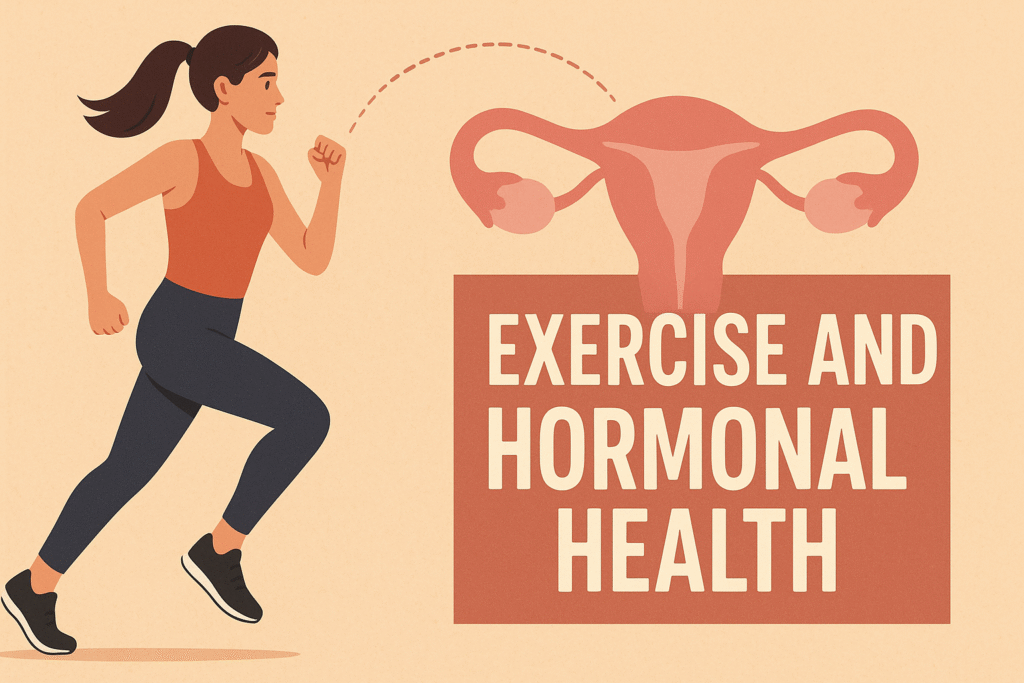
Regular physical activity improves:
- Insulin sensitivity
- Cortisol regulation
- Weight balance
- Mood
- Metabolism
Beneficial exercises include:
- Resistance training
- Walking
- Pilates
- Cycling
- Moderate-intensity cardio
Consistency matters more than intensity.
Sleep and Stress Management
Sleep is essential for hormonal repair and production.
Better Sleep Tips:
- Aim for 7–9 hours
- Limit caffeine after noon
- Keep the room cool and dark
- Reduce screen time before bed
Effective Stress-Relieving Techniques:
- Meditation
- Yoga or stretching
- Deep breathing
- Journaling
- Mindfulness
- Outdoor walks
Gut Health and Detoxification
A healthy gut helps metabolize and excrete excess hormones especially estrogen.
To Improve Gut Health:
- Consume probiotics (yogurt, kefir)
- Add prebiotics (onions, garlic, bananas)
- Increase fiber intake
- Stay hydrated
Support liver detox by reducing processed foods, sweets, and alcohol.
Medical Approaches to Hormonal Support
Hormone Replacement Therapy (HRT)
Bioidentical HRT helps manage symptoms of menopause, adrenal dysfunction, and thyroid imbalances. When monitored properly, HRT is safe and effective.
Thyroid Treatment
Thyroid hormone replacement improves:
- Energy
- Mood
- Metabolism
- Cognitive function
Screening for autoimmune thyroiditis (e.g., Hashimoto’s) is important.
Targeted Treatments
Depending on individual needs, a doctor may recommend:
- Insulin-sensitizing medications
- Adrenal support supplements
- Vitamin D
- Magnesium
- Omega-3 fatty acids
Always consult a qualified physician before starting supplements or medications.
Lifestyle Habits for Long-Term Hormonal Health
Maintain a Healthy Weight
Abdominal fat increases insulin resistance and estrogen production, disrupting the endocrine system.
Limit Exposure to Hormone-Disrupting Chemicals
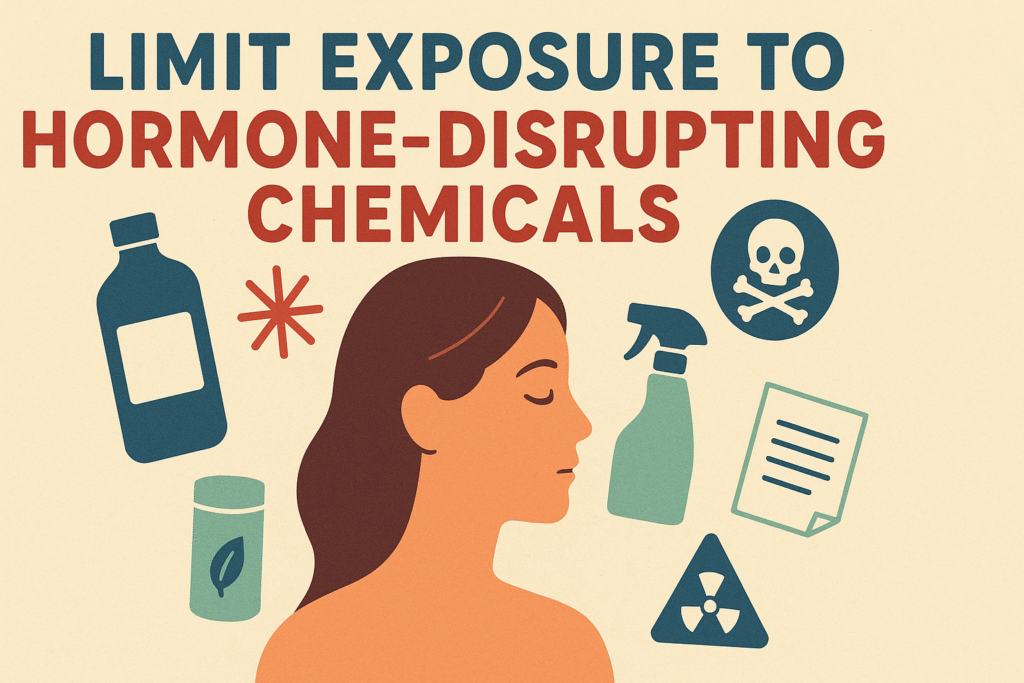
- Avoid plastic bottles
- Choose organic foods when possible
- Use natural cleaning products
- Read labels on skincare and cosmetics
Balance Sugar Intake
Refined sugar spikes insulin and leads to hormonal chaos. Choose whole foods, fruits, and high-protein meals instead.
Stay Hydrated
Water supports metabolism and hormone transportation. Aim for 7–10 glasses daily.
Hormones and Mental Health
Hormones directly influence:
- Mood
- Stress tolerance
- Memory
- Cognitive clarity
Imbalances may cause anxiety, depression, irritability, or brain fog. Restoring hormonal balance often brings significant emotional improvement.
Hormones and Aging
Age-related hormonal decline affects:
- Bone density
- Skin elasticity
- Libido
- Metabolism
- Muscle mass
Healthy routines, regular check-ups, and timely medical advice help maintain vitality through aging.
Hormone Testing: What to Expect
| Test | Purpose | Common Use |
|---|---|---|
| TSH, Free T3, Free T4 | Thyroid function | Hypothyroidism, hyperthyroidism |
| Estrogen & Progesterone | Female hormone balance | Menopause, cycle irregularities |
| Testosterone | Androgen status | Libido, muscle loss, mood issues |
| Cortisol | Stress response | Fatigue, sleep disorders |
| Insulin | Blood sugar regulation | PCOS, diabetes |
| DHEA-S | Adrenal function | Fatigue, aging symptoms |
Most individuals benefit from annual testing or more frequent evaluation if symptoms are present.
Sample Hormone-Balancing Diet
Healthy Fats: Avocado, nuts, seeds, olive oil
Protein: Eggs, poultry, seafood, legumes
Fiber: Fruits, vegetables, whole grains
Antioxidants: Berries, cocoa, green tea
Vitamin D: Sunlight, dairy, salmon
Frequently Asked Questions
1. Does stress affect hormones?
Yes. Chronic stress raises cortisol, which disrupts thyroid hormones, estrogen, progesterone, and testosterone.
2. How often should I check my hormones?
Once a year, or more frequently if symptoms or treatments require monitoring.
3. Do supplements help?
Yes, when taken under medical supervision. Common options include magnesium, vitamin D, zinc, probiotics, and omega-3s.
Conclusion
Healthy hormones are the foundation of energy, emotional stability, metabolism, and long-term well-being. When hormones work together harmoniously, you feel mentally clear, physically strong, and emotionally balanced. Understanding your hormonal health is the first step toward taking control of your vitality at every stage of life.
References for Healthy Hormones
- Harvard Medical School – Hormone Health & Endocrine System
- Cleveland Clinic – Hormone Imbalance Overview
- Mayo Clinic – Endocrine Disorders & Hormonal Health
- National Institutes of Health (NIH) – Hormones & Metabolism Research
- World Health Organization (WHO) – Endocrine-Disrupting Chemicals Report
- American Thyroid Association – Thyroid Hormone Guidelines
- Journal of Clinical Endocrinology & Metabolism
- American Diabetes Association – Insulin & Blood Sugar Regulation
- PubMed – Peer-Reviewed Studies on Hormone Balance
- American College of Obstetricians and Gynecologists (ACOG) – Estrogen & Reproductive Hormones
10 thoughts on “Healthy Hormones: The Powerful Fix for Low Energy”