
Dr Ahsan Tariq , MBBS, MRCP (UK ) ongoing, IMT ( Internal Medicine Trainee, NHS England), GMC : 7805049
Dr Ahsan Tariq is a UK-registered medical doctor with a background in internal medicine and a focus on evidence-based research in cognitive health and nootropics. He critically reviews scientific studies, supplements, and ingredients to help readers make informed, safe, and effective choices for brain health and performance.
Introduction
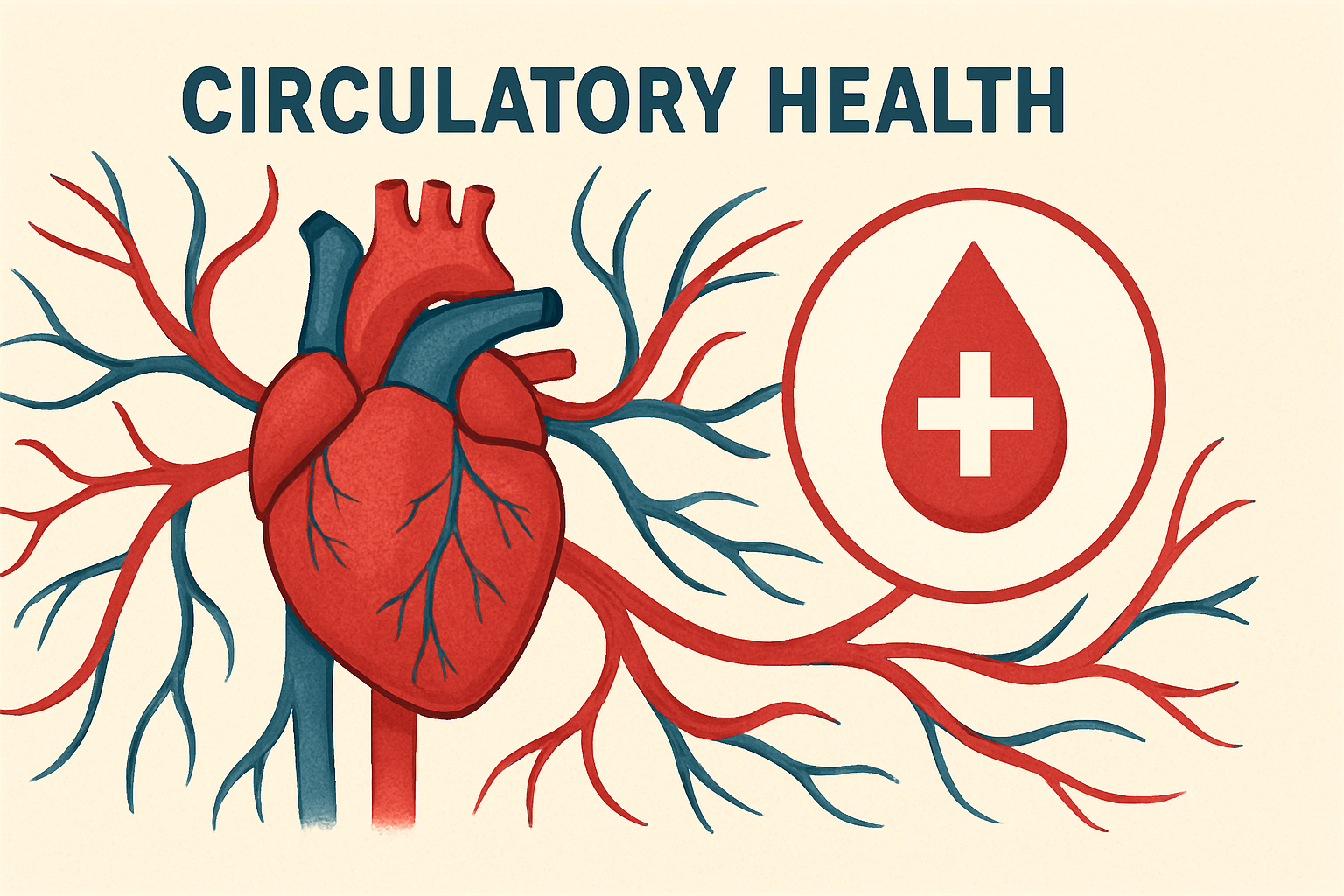
This phrase refers to achieving the best possible condition of your body’s circulatory system to ensure smooth, efficient blood flow. It emphasizes actively identifying and eliminating hidden or “silent” dangers such as poor lifestyle habits or early warning signs that can impair blood circulation without obvious symptoms. The goal is to protect and enhance the heart, blood vessels, and overall blood flow to prevent serious health problems before they arise.
Understanding Circulatory Health
This involves gaining a clear and thorough knowledge of how the circulatory system works, including the heart, blood vessels, and blood, and why proper blood flow is essential for overall health. It means recognizing how good circulation supports every organ, how it affects energy, healing, and organ function, and what factors contribute to maintaining or damaging circulatory health. Understanding this helps people take informed steps to preserve and improve their vascular system.
What Your Circulatory System Really Does
The circulatory system is one of the most vital systems within the human body. At its core, it is a complex network of the heart, blood vessels, arteries, veins, and capillaries that work together to deliver oxygen and nutrients to every cell and remove waste products like carbon dioxide. This continuous cycle keeps organs functioning properly, supports immune system responses, and helps maintain body temperature.
To understand how crucial circulation is, imagine the circulatory system as a delivery service. The heart acts as a pump, sending delivery trucks (blood) loaded with supplies (oxygen, nutrients, hormones) throughout the body. Without an efficient delivery system, your body’s cells would starve, accumulate waste, and eventually malfunction or die.
The system also helps regulate bodily functions for instance, by transporting hormones released by glands to target organs, influencing growth, metabolism, and stress responses. The circulatory system also plays a huge role in healing by delivering clotting factors and immune cells to injury sites.
Why Blood Flow Matters More Than You Think
While many people might think of circulatory health in terms of obvious cardiovascular events like heart attacks or strokes, the truth is that blood flow affects every aspect of daily health. Poor circulation can manifest subtly like cold feet, brain fog, or restless legs long before a serious condition develops.
Good blood flow ensures tissues and organs operate optimally. For the brain, efficient circulation means sharper focus, quicker thinking, and emotional stability. For muscles, you get better strength, endurance, and recovery. When organs like kidneys or liver receive inadequate blood supply, their ability to filter toxins and regulate biochemistry declines, triggering cascades of health issues.
Blood flow also influences skin health; poor circulation can cause dryness, discoloration, or wounds that heal slowly. Since circulatory function naturally declines with age, being proactive helps fight premature aging and chronic disease.
Silent Blood Flow Threats You Shouldn’t Ignore
Early Warning Signs Most People Miss
Many people live with subtle symptoms caused by reduced circulation but dismiss them as normal ageing or minor annoyances. Recognizing these early warning signs is critical for timely intervention:
- Numbness or tingling: Often felt in hands, fingers, feet, or toes, this “pins and needles” sensation signals nerves aren’t getting enough oxygen or nutrients.
- Cold extremities: If your fingers or toes are frequently cold despite appropriate room temperature, this may indicate poor blood supply.
- Swelling: Fluid buildup in legs or ankles can result from weakened veins or poor circulation, causing discomfort and mobility challenges.
- Discoloration or skin changes: Pale, blue, or reddish hues and shiny, thin skin can suggest vascular insufficiency.
- Fatigue or weakness: Reduced oxygen delivery limits muscle function and endurance, making even simple tasks exhausting.
- Varicose veins: Enlarged, twisted veins visible under the skin hint at venous circulation problems.
- Slow wound healing: Cuts or bruises that linger longer than usual are signs cells lack the nutrients and oxygen needed for repair.
Many dismiss these symptoms, assuming they’re minor or related to other causes. But early detection opens the door to effective treatment and preventing progression to severe cardiovascular diseases.
Hidden Daily Habits That Damage Circulation
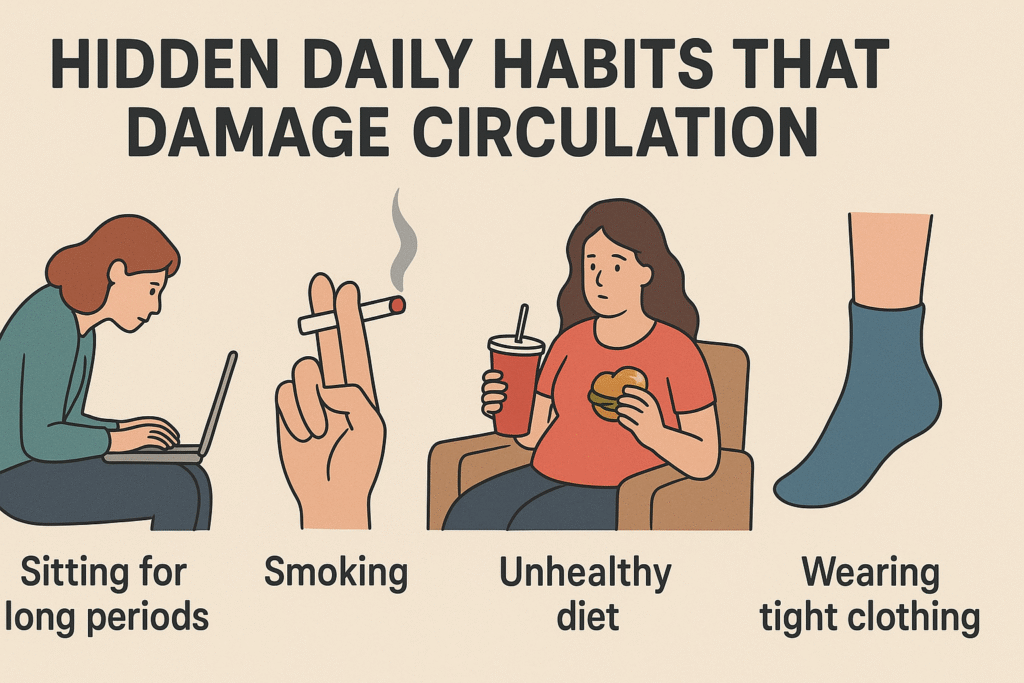
While chronic illnesses and genetics can impact circulation, everyday habits exert a huge hidden influence. Some habits quietly sabotage your blood flow without you realizing it:
- Prolonged sitting or standing: Staying in one position for extended periods causes blood pooling, especially in legs. This can promote clot formation and vein damage.
- Crossing legs while sitting: This common posture compresses blood vessels, reducing blood flow.
- Wearing tight clothing: Items like tight belts, socks, or shoes restrict circulation in limbs.
- Smoking: Tobacco chemicals narrow blood vessels and damage artery walls, sharply increasing circulatory disease risk.
- Excess caffeine and alcohol: In large amounts, these can dehydrate the body and constrict blood vessels.
- Poor hydration: Thickened blood due to dehydration flows less easily through vessels.
- Neglecting movement: Relying heavily on elevators, cars, or couches reduces muscle pump activity essential for venous return.
Conscious changes to eliminate or reduce these habits significantly improve vascular health if done consistently.
How Modern Lifestyle Triggers Poor Blood Flow
Modern life with its blend of convenience and stress takes a toll on circulation more than many realize. Several lifestyle factors contribute collectively:
- Sedentary behavior: Work environments centered on desk jobs and screen time discourage physical activity, which is crucial to maintaining good circulation.
- Stress overload: The constant pace and pressure activate fight-or-flight responses, shrinking vessels and raising blood pressure.
- Poor diet patterns: The rise of processed foods rich in sugar, salt, and unhealthy fats worsens inflammation and damages vascular cells.
- Sleep deprivation: Irregular or insufficient sleep impairs restorative processes important for blood vessel health.
- Environmental pollutants: Urban living often includes exposure to airborne toxins that increase oxidative stress and inflammation in vessels.
- Technology dependence: Reduced natural movement and posture problems linked to device use constrain blood flow.
Understanding these factors can empower you to make targeted improvements that counteract harmful tendencies.
Major Causes Behind Declining Circulatory Health
Poor Diet And Inflammation
Diet plays a pivotal role in vascular health. Consuming excessive processed foods, trans fats, and sugars triggers chronic inflammation, which weakens artery walls and reduces nitric oxide production a key molecule for vessel dilation.
Inflammation leads to plaque buildup inside arteries, known as atherosclerosis, increasing the risk of heart attacks and strokes. Diets lacking antioxidants, fiber, and essential fatty acids do not provide cells the materials for repair and maintenance, accelerating vascular aging.
On the flip side, diets abundant in fruits, vegetables, leafy greens, whole grains, nuts, and oily fish deliver antioxidants, vitamins C, E, and minerals like magnesium and potassium that protect vessels from oxidative stress and reduce inflammation.
Low Activity And Sedentary Routines
Movement is a natural circulatory booster. Muscle contractions especially in legs act as pumps, pushing blood back toward the heart. Without frequent activity, blood pools in extremities, venous valves weaken, and circulation diminishes.
Low activity leads to weight gain and metabolic issues, compounding vascular strain. Studies consistently show regular moderate exercise reduces blood pressure and improves artery elasticity. Sedentary behavior is a major modifiable risk factor for circulatory decline.
Stress And Its Impact On Blood Flow
Chronic psychological stress keeps the body’s sympathetic nervous system in constant “fight or flight” mode, releasing hormones like cortisol and adrenaline. These hormones cause blood vessels to constrict, increasing blood pressure and reducing delivery of oxygen-rich blood to tissues.
Over time, high cortisol levels damage the endothelium (the inner lining of blood vessels), making arteries stiffer and more vulnerable. Stress-related habits such as poor sleep, unhealthy eating, and inactivity add to this burden.
Environmental Factors Affecting Circulation
Environmental elements also silently impact circulatory health:
- Air pollution: Fine particulate matter reduces oxygen capacity in blood and promotes systemic inflammation.
- Extreme temperatures: Cold causes vessel constriction, which can worsen circulation problems; prolonged heat exposure causes dehydration and thickens blood.
- Toxic chemicals: Pesticides, heavy metals, and industrial chemicals damage vessels through oxidative stress and inflammation.
- Noise pollution: Chronic noise exposure is linked with elevated stress hormones and increased cardiovascular risk.
Minimizing exposure and creating protective environments can mitigate these risks.
Powerful Strategies To Destroy Blood Flow Threats
Nutrient-Rich Foods That Boost Circulation
Incorporate these circulatory superfoods:
- Berries: Blueberries, strawberries high in antioxidants improve endothelial function.
- Leafy greens: Spinach, kale rich in nitrates increase nitric oxide production.
- Beets: Natural nitrates dilate blood vessels, improving blood flow.
- Fatty fish: Omega-3 fatty acids reduce inflammation and improve artery health.
- Garlic: Contains allicin, which relaxes blood vessels and lowers blood pressure.
- Nuts and seeds: Provide vitamin E and magnesium, facilitating vessel elasticity.
Eating a color-rich, plant-based diet supports vascular vitality.
Simple Daily Movements That Strengthen Blood Flow
Daily physical activity doesn’t require gym membership. Easy strategies include:
- Taking brisk 15-20 minute walks multiple times daily
- Regular stretching or yoga poses focused on legs and hips
- Using stairs instead of elevators
- Standing or walking meetings
- Leg lifts or ankle pumps when sitting for long periods
- Light resistance or body-weight exercises to engage muscles
Consistency matters more than intensity.
Breathing And Stress-Reduction Techniques
Practice mindfulness breathing: slow, deep breaths stimulate the parasympathetic nervous system, reducing vessel constriction. Techniques such as:
- Diaphragmatic breathing (belly breathing)
- Box breathing (inhale-hold-exhale-hold)
- Progressive muscle relaxation or guided meditation
Reduce anxiety, maintain balanced blood pressure, and improve overall blood flow.
Hydration And Its Vital Role
Water keeps blood volume optimal and prevents viscosity increases that strain the heart and slow flow. Aim for 8-10 cups daily, adjusting for climate and exercise. Include hydrating foods like cucumbers, watermelon, and oranges.
Avoid excessive caffeine or alcohol which can promote dehydration.
Natural Supplements That Support Healthy Flow
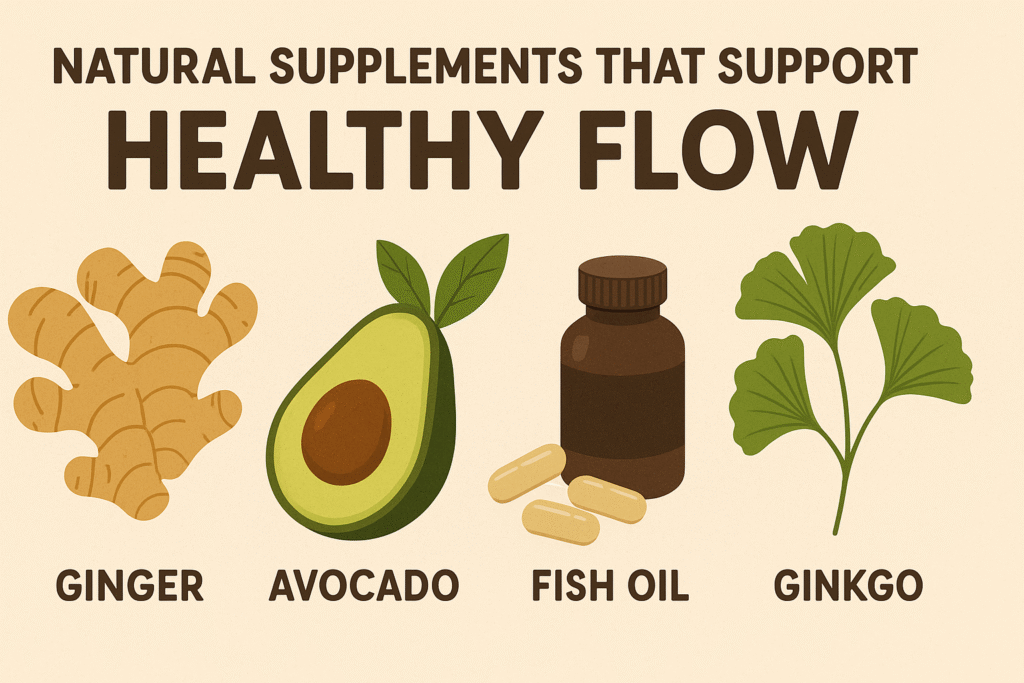
Some natural agents benefiting circulation include:
- Ginkgo biloba: Enhances microcirculation and oxygen delivery
- Turmeric (curcumin): Anti-inflammatory, protects vessels
- Magnesium: Supports vessel relaxation and blood pressure regulation
- Coenzyme Q10: Boosts energy production in heart cells and supports vascular function
Discuss with healthcare providers before starting supplements to avoid interactions.
Lifestyle Upgrades For Ultimate Circulatory Health
Building A Heart-Healthy Routine
Combine cardio exercise, strength training, balanced nutrition, and quitting smoking into daily life. Set achievable goals, such as:
- Walking 10,000 steps a day
- Preparing mostly homemade meals focused on whole foods
- Limiting processed and fried foods
- Scheduling relaxation breaks
Track habits and progress to stay motivated.
Sleep Habits That Improve Blood Circulation
Consistent, restful sleep aids vessel repair and lowers blood pressure. Good habits include:
- Keeping a regular sleep schedule
- Creating a dark, quiet, and cool bedroom environment
- Avoiding screens and caffeine close to bedtime
- Using relaxation techniques before sleep
Quality sleep improves circulatory function and overall health.
How To Track And Improve Your Progress
Use tools like:
- Home blood pressure monitors
- Fitness trackers or smartwatches for heart rate data
- Journaling symptoms and energy levels
- Regular doctor checkups including vascular assessments
Review progress monthly and adjust lifestyle plans for continuous improvement.
Benefits Of Restoring Strong Blood Flow
Higher Energy And Better Focus
Good circulation fuels your brain and muscles, improving performance at work and exercise. You feel more vibrant, less fatigued, and mentally clearer.
Stronger Heart Health
Lower blood pressure and reduced arterial stiffness ease the heart’s workload, decreasing risks of heart attacks, arrhythmias, and heart failure.
Improved Longevity And Wellness
Optimal circulation supports immune defenses, faster healing, and reduces risks of chronic illnesses. It promotes a higher quality of life with more vitality as you age.
Final Takeaway: Protecting Your Circulatory Future
The Small Changes That Bring Big Results
Small, consistent adjustments like daily walks, hydrating, eating more greens, and managing stress compound over time, protecting you from serious health threats.
Why Early Action Prevents Long-Term Damage
Addressing signs and risk factors early preserves vascular flexibility and function, preventing irreversible damage. Don’t wait for severe symptoms; start today for a healthier tomorrow.
References
- National Heart, Lung, and Blood Institute. How the Heart Works: Circulation Explained.
- American Heart Association. How the Circulatory System Works.
- Mayo Clinic. Poor Circulation: Symptoms, Causes, and Treatment.
- Cleveland Clinic. Circulatory System: Diseases, Symptoms, and Treatment.
- Harvard Health Publishing. Improving Blood Flow Naturally.
- Johns Hopkins Medicine. Understanding Peripheral Artery Disease (PAD).
- WebMD. Blood Circulation Problems: Causes and Remedies.
- ScienceDirect. Role of Lifestyle Factors in Cardiovascular Health.
- World Health Organization. Cardiovascular Diseases.”
- Patient.info. 8 Simple Steps To Boost Your Circulation.
5 thoughts on “Ultimate Circulatory Health: Destroy Silent Blood Flow Threats”