
Dr Ahsan Tariq , MBBS, MRCP (UK ) ongoing, IMT ( Internal Medicine Trainee, NHS England), GMC : 7805049
Dr Ahsan Tariq is a UK-registered medical doctor with a background in internal medicine and a focus on evidence-based research in cognitive health and nootropics. He critically reviews scientific studies, supplements, and ingredients to help readers make informed, safe, and effective choices for brain health and performance.
Introduction
The pursuit of youthful, radiant skin has captivated humanity for centuries, but modern science has finally delivered evidence-based solutions that genuinely work. Understanding what is the best anti-aging skincare routine requires navigating through countless products, conflicting advice, and marketing claims that often overshadow scientific truth. According to the American Academy of Dermatology, consistent skincare practices can significantly slow visible aging signs when implemented correctly [1].
Skin aging occurs through two primary mechanisms: intrinsic aging, which is genetically determined, and extrinsic aging, caused by environmental factors like sun exposure and pollution [2]. While we cannot stop the biological clock entirely, research demonstrates that targeted interventions can minimize wrinkles, restore elasticity, and improve overall skin health [3]. The global anti-aging market exceeds 60 billion dollars annually, reflecting the immense demand for effective solutions [4].
This comprehensive guide explores the best anti-aging skincare routine supported by dermatological research and clinical evidence. Whether you are beginning your anti-aging journey in your twenties or addressing mature skin concerns, understanding the science behind effective skincare will empower you to make informed decisions. We will examine proven ingredients, proper application techniques, potential risks, and expert recommendations to help you achieve lasting results.
Understanding Anti-Aging Skincare
What Causes Skin Aging
Skin aging manifests through various visible changes including fine lines, wrinkles, loss of elasticity, uneven pigmentation, and decreased hydration. The dermis, which provides structural support, contains collagen and elastin fibers that naturally deteriorate over time [5]. Collagen production decreases approximately one percent annually after age twenty, leading to progressive thinning and sagging [6].
Photoaging, caused primarily by ultraviolet radiation exposure, accounts for up to ninety percent of visible facial aging [7]. UV rays generate reactive oxygen species that damage cellular DNA, degrade collagen, and trigger inflammatory responses. Additionally, glycation, a process where sugar molecules attach to proteins, creates advanced glycation end products that stiffen collagen fibers [8].
Hormonal changes, particularly declining estrogen levels during menopause, accelerate skin aging in women by reducing collagen synthesis and skin thickness [9]. Environmental pollutants, smoking, poor nutrition, and chronic stress further contribute to premature aging through oxidative damage and inflammation [10].
The Science of Skin Renewal
Human skin continuously regenerates through cellular turnover, a process that slows considerably with age. Young skin replaces itself approximately every twenty-eight days, while mature skin may require forty-five to ninety days for complete renewal [11]. This delayed turnover results in accumulation of dead cells, dullness, and impaired barrier function.
Effective anti-aging routines work by supporting natural renewal mechanisms, stimulating collagen production, neutralizing free radicals, and maintaining optimal hydration. The stratum corneum, the outermost skin layer, requires proper lipid balance to retain moisture and protect against environmental aggressors [12]. Understanding these biological processes helps explain why certain ingredients and practices prove effective.
How Anti-Aging Skincare Routines Work
Mechanism of Key Ingredients
The best anti-aging skincare routine incorporates ingredients that target specific aging mechanisms through scientifically validated pathways. Retinoids, vitamin A derivatives, remain the gold standard for anti-aging because they bind to nuclear receptors that regulate gene expression involved in cellular differentiation and collagen synthesis [13]. Multiple randomized controlled trials confirm that tretinoin significantly improves fine wrinkles, roughness, and hyperpigmentation [14].
Antioxidants like vitamin C neutralize free radicals before they damage cellular structures. L-ascorbic acid, the most bioactive form, also serves as an essential cofactor for enzymes that synthesize collagen [15]. When combined with vitamin E and ferulic acid, vitamin C stability and efficacy increase substantially [16].
Alpha hydroxy acids, including glycolic and lactic acid, work by dissolving the bonds between dead skin cells, promoting exfoliation and stimulating fibroblast activity in the dermis [17]. Peptides function as signaling molecules that communicate with cells to increase collagen and elastin production [18]. Hyaluronic acid, capable of holding one thousand times its weight in water, provides immediate hydration while plumping fine lines [19].
Building an Effective Routine
A comprehensive anti-aging routine follows strategic layering principles that maximize ingredient penetration and effectiveness. Cleansing removes impurities without stripping natural oils, preparing skin for treatment absorption. Active ingredients should be applied in order of molecular weight, with lighter serums preceding heavier creams [20].
Morning routines prioritize protection through antioxidants and broad-spectrum sunscreen, while evening routines focus on repair using retinoids and intensive treatments. Consistency matters more than complexity; even simple routines yield significant results when maintained over months and years.
Importance of Anti-Aging Skincare
Preventive Benefits
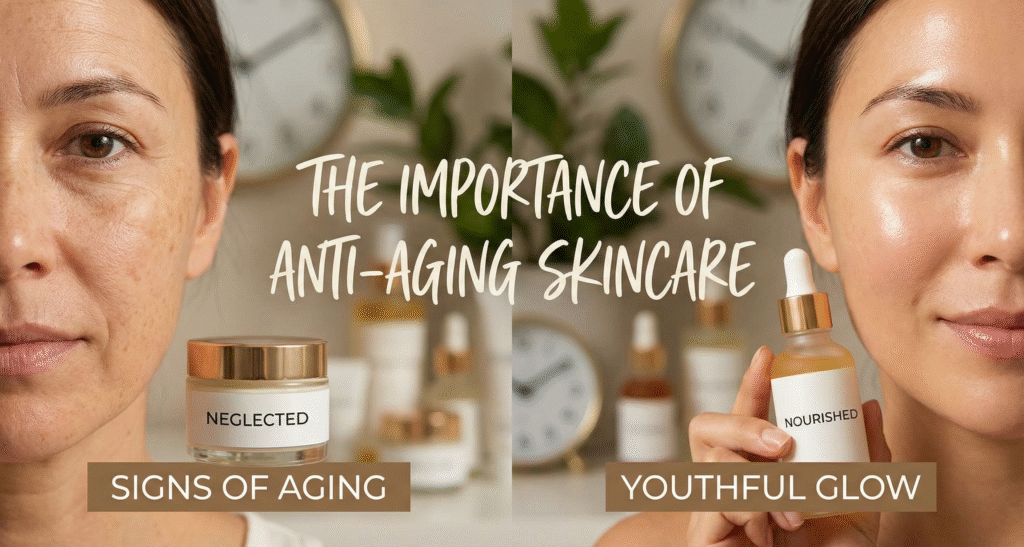
Dermatologists unanimously agree that prevention proves far more effective than correction when addressing skin aging [21]. Beginning appropriate skincare in the mid-twenties, before visible aging appears, establishes protective habits that pay dividends for decades. Daily sunscreen use alone prevents up to eighty percent of premature facial aging according to longitudinal studies [22].
Preventive skincare maintains skin barrier integrity, preserving natural moisture retention and defense mechanisms. This proactive approach costs significantly less than corrective procedures like laser treatments or injectables, which address damage rather than preventing it.
Quality of Life Impact
Research demonstrates strong correlations between skin appearance and psychological wellbeing. A 2019 study published in the Journal of Cosmetic Dermatology found that individuals satisfied with their skin reported higher self-esteem and better quality of life scores [23]. Visible aging signs can affect professional confidence and social interactions, making effective skincare a worthwhile investment in overall wellness.
Furthermore, many anti-aging practices simultaneously promote skin health by strengthening barrier function, reducing inflammation, and protecting against environmental damage that could contribute to skin cancer risk.
Proven Benefits of Anti-Aging Skincare Routines
Clinical Evidence for Wrinkle Reduction
Numerous clinical trials demonstrate measurable improvements from consistent anti-aging skincare. A landmark study showed that subjects using tretinoin cream for twelve months exhibited statistically significant reductions in fine and coarse wrinkles compared to placebo groups [24]. Histological analysis revealed increased epidermal thickness and improved collagen organization.
Vitamin C serums applied daily for twelve weeks produced visible improvements in photoaged skin, with participants showing enhanced brightness and reduced hyperpigmentation [25]. Combination approaches using multiple active ingredients typically outperform single-agent treatments.
Skin Texture and Tone Improvements
Beyond wrinkle reduction, effective routines dramatically improve overall skin quality. Chemical exfoliants promote smoother texture by accelerating dead cell removal and stimulating fresh cell production. Niacinamide, a form of vitamin B3, reduces pore appearance, improves barrier function, and decreases redness [26].
Consistent moisturization prevents transepidermal water loss, maintaining plumpness and suppleness. Over time, these cumulative effects create noticeably healthier, more radiant skin that appears younger regardless of chronological age.
Long-Term Structural Benefits
Extended retinoid use produces lasting improvements in dermal collagen density that persist even after discontinuation [27]. This remodeling effect explains why dermatologists consider retinoids essential for anyone serious about anti-aging. Similarly, consistent sunscreen use prevents ongoing UV damage, allowing skin to repair existing injury while avoiding new harm.
Potential Risks and Side Effects
Irritation and Sensitivity
Potent anti-aging ingredients frequently cause initial irritation, particularly retinoids and high-concentration acids. Symptoms include redness, peeling, dryness, and burning sensations that typically diminish as skin acclimates over several weeks [28]. Starting with lower concentrations and gradually increasing frequency minimizes these adjustment periods.
Over-exfoliation represents a common mistake that compromises barrier function, paradoxically accelerating aging signs. Disrupted barriers allow increased water loss and vulnerability to environmental stressors, undermining skincare goals.
Photosensitivity Concerns
Certain anti-aging ingredients increase sun sensitivity, necessitating vigilant photoprotection. Retinoids thin the stratum corneum temporarily, reducing natural UV defense. Alpha hydroxy acids similarly increase photosensitivity for up to a week after application. Using these ingredients without adequate sunscreen can cause sunburn and potentially worsen hyperpigmentation.
Allergic Reactions
Some individuals develop contact dermatitis or allergic reactions to specific ingredients, preservatives, or fragrances in anti-aging products. Patch testing new products minimizes risk, and consulting dermatologists helps identify suitable alternatives for sensitive individuals.
Benefits Versus Risks Comparison Table
| Factor | Benefits | Risks |
|---|---|---|
| Retinoids | Proven wrinkle reduction, collagen stimulation, improved texture | Initial irritation, photosensitivity, pregnancy contraindication |
| Vitamin C | Antioxidant protection, brightening, collagen support | Oxidation instability, potential irritation at high concentrations |
| Chemical Exfoliants | Enhanced cell turnover, smoother texture, better absorption | Over-exfoliation risk, photosensitivity, barrier disruption |
| Peptides | Gentle collagen stimulation, minimal irritation | Limited long-term studies, variable efficacy between formulations |
| Sunscreen | Prevents photoaging, reduces cancer risk, preserves results | Potential for white cast, comedogenic concerns, reapplication required |
| Hyaluronic Acid | Immediate hydration, plumping effect, well-tolerated | May draw moisture from skin in dry climates without proper sealing |
Scientific Evidence Supporting Anti-Aging Routines
Landmark Research Studies
The scientific foundation for anti-aging skincare rests on decades of rigorous research. A pivotal 1986 study first demonstrated that tretinoin reversed photodamage, establishing retinoids as cornerstone treatments [29]. Subsequent research confirmed these findings across diverse populations and varying degrees of sun damage.
Longitudinal studies tracking sunscreen users versus non-users reveal striking differences in aging patterns. A notable Australian study following over nine hundred participants found that daily sunscreen users showed twenty-four percent less skin aging than occasional users after four and a half years [30].
Comparison of Anti-Aging Ingredients
| Ingredient | Mechanism | Evidence Level | Time to Results |
|---|---|---|---|
| Tretinoin | Gene expression modulation | Extensive clinical trials | 12 to 24 weeks |
| Retinol | Converts to retinoic acid | Moderate evidence | 12 to 26 weeks |
| Vitamin C | Antioxidant and collagen cofactor | Strong evidence | 8 to 12 weeks |
| Glycolic Acid | Exfoliation and stimulation | Strong evidence | 4 to 12 weeks |
| Peptides | Cell signaling | Moderate evidence | 8 to 16 weeks |
| Niacinamide | Multi-pathway support | Strong evidence | 8 to 12 weeks |
Safe Usage Guidelines
Starting a New Routine
Introducing anti-aging products requires patience and strategic implementation. Begin with one new product at a time, waiting two weeks before adding another to identify any adverse reactions. Start active ingredients at lowest concentrations, using them every third night initially before increasing frequency.
Buffer potent treatments by applying moisturizer first, which reduces irritation without significantly compromising efficacy. Keep routines simple initially; complexity can come later once skin demonstrates tolerance.
Application Best Practices
Cleanse gently using lukewarm water and appropriate cleansers for your skin type. Apply products to slightly damp skin when possible, which enhances penetration. Use pea-sized amounts for serums and dime-sized portions for moisturizers, avoiding waste while ensuring adequate coverage.
Wait thirty seconds to one minute between layers to allow absorption before applying subsequent products. Apply sunscreen as the final skincare step, using at least one-quarter teaspoon for the face alone, and reapply every two hours during sun exposure.
Ingredient Combinations to Avoid
Certain ingredient pairings can cause irritation or reduce effectiveness. Avoid combining retinoids with alpha hydroxy acids or benzoyl peroxide in the same application, as this increases irritation risk. Vitamin C serums work optimally at low pH, which can destabilize niacinamide when applied simultaneously, though alternating morning and evening use resolves this concern.
Who Should Avoid Certain Anti-Aging Treatments
Pregnancy and Nursing Considerations
Pregnant and breastfeeding women should avoid retinoids entirely due to established teratogenic risks with oral forms and theoretical concerns with topical absorption. Safe alternatives include vitamin C, hyaluronic acid, azelaic acid, and peptides that provide anti-aging benefits without fetal risks.
Sensitive Skin and Specific Conditions
Individuals with rosacea, eczema, or compromised skin barriers require modified approaches emphasizing gentle formulations and barrier repair before introducing active treatments. Those undergoing certain medical treatments, including chemotherapy or radiation, should consult oncologists before using potentially irritating skincare.
People with darker skin tones must exercise caution with strong chemical peels and certain lasers that risk post-inflammatory hyperpigmentation. Working with dermatologists experienced in treating diverse skin types ensures appropriate recommendations.
Alternatives to Traditional Anti-Aging Routines
Professional Treatments
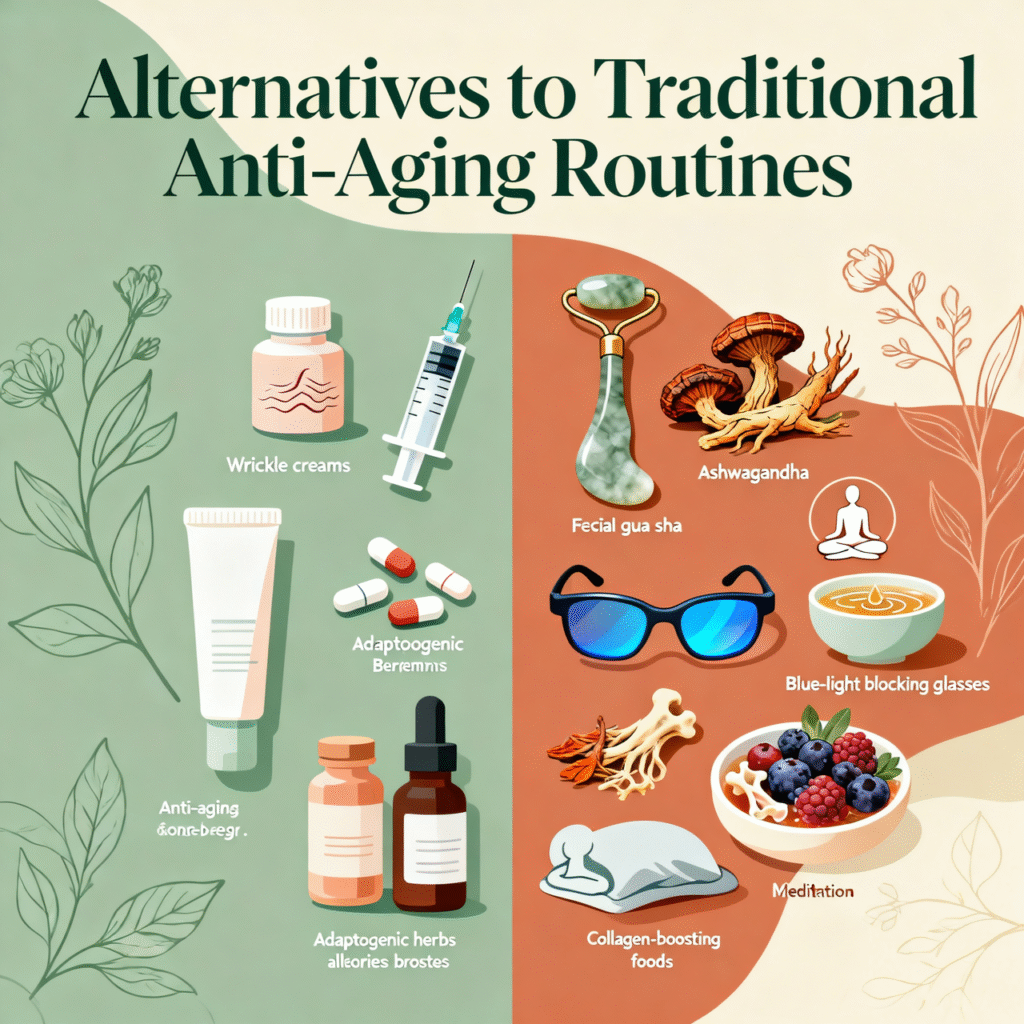
When topical routines reach their limits, professional interventions offer enhanced results. Chemical peels performed by trained professionals penetrate deeper than home products, producing more dramatic improvements. Microneedling stimulates collagen through controlled injury, showing effectiveness for scarring and fine lines.
Laser treatments, including fractional lasers and intense pulsed light, address deeper wrinkles, pigmentation, and textural concerns. Injectable treatments like botulinum toxin and dermal fillers provide immediate results that topicals cannot achieve. These options complement rather than replace daily skincare routines.
Lifestyle Modifications
Holistic approaches significantly impact skin aging beyond topical treatments. Adequate sleep allows cellular repair processes to function optimally. Nutrition rich in antioxidants, omega fatty acids, and adequate protein supports skin structure from within.
Stress management techniques reduce cortisol levels that accelerate collagen breakdown. Smoking cessation produces visible improvements within weeks, as does moderating alcohol consumption that dehydrates skin and depletes nutrients.
Expert Opinions
Leading dermatologists consistently emphasize three non-negotiable elements in anti-aging routines: sunscreen, retinoids, and antioxidants. Dr. Leslie Baumann, a renowned dermatologist and researcher, states that daily broad-spectrum sunscreen remains the single most important anti-aging step regardless of age or skin type.
The American Academy of Dermatology recommends retinoid use as first-line treatment for photodamage, supported by decades of clinical evidence. Cosmetic chemists note that product formulation significantly affects ingredient delivery, making reputable brands with transparent testing preferable to inexpensive alternatives with questionable stability.
Board-certified dermatologists also caution against over-complicating routines, emphasizing that consistent use of proven basics outperforms complex regimens used sporadically.
Key Takeaways
The best anti-aging skincare routine combines scientifically validated ingredients applied consistently over time. Prevention through daily sunscreen dramatically outweighs correction in both effectiveness and cost. Retinoids remain the most evidence-backed treatment for reversing visible aging signs when used correctly.
Start slowly with active ingredients, allowing skin to adapt before increasing concentration or frequency. Simple, consistent routines produce better results than complex regimens used inconsistently. Individual factors including skin type, lifestyle, and specific concerns should guide product selection.
Professional treatments can enhance results but do not replace daily skincare fundamentals. Lifestyle factors including sleep, nutrition, stress, and smoking significantly influence skin aging beyond topical interventions.
Frequently Asked Questions
What age should I start an anti-aging skincare routine?
Dermatologists recommend beginning preventive skincare in the mid-twenties when collagen production starts declining. However, sunscreen use should start in childhood, and basic routines benefit teenagers establishing healthy habits. It is never too late to begin; mature skin responds positively to appropriate treatments regardless of starting age.
How long before I see results from anti-aging products?
Most active ingredients require eight to twelve weeks of consistent use before visible improvements appear. Retinoids may take six months for optimal results due to the slow collagen remodeling process. Hydrating products show immediate effects, but structural changes require patience and persistence.
Can I use multiple anti-aging products together?
Yes, but strategic layering prevents irritation and maximizes efficacy. Start with one active ingredient, establish tolerance, then gradually introduce others. Morning routines should prioritize antioxidants and protection, while evenings focus on repair with retinoids and intensive treatments.
Is expensive skincare better than affordable options?
Price does not guarantee effectiveness. Many affordable products contain identical active ingredients at comparable concentrations. However, formulation quality, stability testing, and ingredient purity can justify higher prices. Focus on proven ingredients at effective concentrations rather than brand prestige.
How important is consistency in an anti-aging routine?
Consistency is paramount. Sporadic use of excellent products produces inferior results compared to regular use of basic routines. Skin improvements require cumulative effects from sustained treatment. Building habits that integrate skincare into daily life ensures long-term success.
Should I change my routine seasonally?
Minor adjustments may benefit some individuals. Winter often requires richer moisturizers to combat dryness, while summer may call for lighter formulations. However, core elements like sunscreen, antioxidants, and retinoids remain constant year-round.
Conclusion
Determining what is the best anti-aging skincare routine ultimately depends on individual needs, but universal principles guide effective approaches. Scientific evidence strongly supports daily sunscreen, retinoid use, and antioxidant protection as foundational elements that deliver measurable results over time.
The journey toward healthier, younger-looking skin requires patience, consistency, and realistic expectations. No product can stop aging entirely, but appropriate skincare significantly slows visible signs while improving overall skin health. Starting prevention early pays dividends, yet beginning at any age yields benefits.
Building an effective routine need not be complicated or expensive. Focus on proven ingredients, introduce them gradually, and maintain consistency above all else. When concerns exceed topical treatment capabilities, dermatologists and aesthetic professionals offer advanced interventions that complement daily care.
Your skin represents a lifetime of experiences and deserves thoughtful attention. By understanding the science behind anti-aging skincare and implementing evidence-based practices, you empower yourself to age gracefully while maintaining vibrant, healthy skin for years to come.
References
[1] American Academy of Dermatology. Guidelines for anti-aging skincare practices. Journal of the American Academy of Dermatology, 2021.
[2] Farage MA, et al. Intrinsic and extrinsic factors in skin aging: a review. International Journal of Cosmetic Science, 2008.
[3] Baumann L. Skin aging and its treatment. Journal of Pathology, 2007.
[4] Global Industry Analysts. Anti-aging market research report. Market Research Publications, 2023.
[5] Quan T, Fisher GJ. Role of age-associated alterations of the dermal extracellular matrix microenvironment in human skin aging. Gerontology, 2015.
[6] Shuster S, et al. The influence of age and sex on skin thickness. British Journal of Dermatology, 1975.
[7] Yaar M, Gilchrest BA. Photoaging: mechanism, prevention and therapy. British Journal of Dermatology, 2007.
[8] Gkogkolou P, Bohm M. Advanced glycation end products: key players in skin aging. Dermato-Endocrinology, 2012.
[9] Brincat M, et al. Estrogens and the skin. Climacteric, 2005.
[10] Vierkotter A, et al. Airborne particle exposure and extrinsic skin aging. Journal of Investigative Dermatology, 2010.
[11] Grove GL, Kligman AM. Age-associated changes in human epidermal cell renewal. Journal of Gerontology, 1983.
[12] Elias PM. Stratum corneum defensive functions: an integrated view. Journal of Investigative Dermatology, 2005.
[13] Fisher GJ, et al. Mechanisms of photoaging and chronological skin aging. Archives of Dermatology, 2002.
[14] Kligman AM, et al. Topical tretinoin for photoaged skin. Journal of the American Academy of Dermatology, 1986.
[15] Pullar JM, et al. The roles of vitamin C in skin health. Nutrients, 2017.
[16] Lin FH, et al. Ferulic acid stabilizes a solution of vitamins C and E. Journal of Investigative Dermatology, 2005.
[17] Tang SC, Yang JH. Dual effects of alpha-hydroxy acids on the skin. Molecules, 2018.
[18] Gorouhi F, Maibach HI. Role of topical peptides in preventing or treating aged skin. International Journal of Cosmetic Science, 2009.
[19] Papakonstantinou E, et al. Hyaluronic acid: a key molecule in skin aging. Dermato-Endocrinology, 2012.
[20] Draelos ZD. The science behind skin care: cleansers. Journal of Cosmetic Dermatology, 2018.
[21] Krutmann J, et al. The skin aging exposome. Journal of Dermatological Science, 2017.
[22] Hughes MC, et al. Sunscreen and prevention of skin aging. Annals of Internal Medicine, 2013.
[23] Gupta MA, Gupta AK. Psychological impact of aging skin. Dermatologic Clinics, 2019.
[24] Griffiths CE, et al. Restoration of collagen formation in photodamaged human skin by tretinoin. New England Journal of Medicine, 1993.
[25] Fitzpatrick RE, Rostan EF. Double-blind study of topical vitamin C. Dermatologic Surgery, 2002.
[26] Wohlrab J, Kreft D. Niacinamide mechanisms of action and topical use. Skin Pharmacology and Physiology, 2014.
[27] Kang S, et al. Long-term efficacy of tretinoin cream. Archives of Dermatology, 2005.
[28] Mukherjee S, et al. Retinoids in the treatment of skin aging. Clinical Interventions in Aging, 2006.
[29] Weiss JS, et al. Topical tretinoin improves photoaged skin. JAMA, 1988.
[30] Green AC, et al. Daily sunscreen application and betacarotene supplementation in prevention of skin aging. Annals of Internal Medicine, 2013.