
Dr Ahsan Tariq , MBBS, MRCP (UK ) ongoing, IMT ( Internal Medicine Trainee, NHS England), GMC : 7805049
Dr Ahsan Tariq is a UK-registered medical doctor with a background in internal medicine and a focus on evidence-based research in cognitive health and nootropics. He critically reviews scientific studies, supplements, and ingredients to help readers make informed, safe, and effective choices for brain health and performance.
Introduction
Allergies are among the most prevalent chronic conditions worldwide, affecting millions across all age groups. Whereas some consider them to be but a nuisance, it is clear that they can significantly impact daily life from chronic sneezing to life-threatening reactions. Understanding how allergies work, what causes them, and how to manage them goes a long way toward improvement in the quality of life.
This step-by-step guide takes you through everything you need to know about allergies, from raising basic awareness to powerful benefits associated with proper allergy management.
What Are Allergies?
Allergies are the body’s immune reactions to substances that, under ordinary conditions, may be harmless. Common substances known to provoke allergic reactions include food, environmental substances, medications, and insect venom.
The immune system, when allergic, considers the allergen to be some type of threat and reacts to it usually by releasing various chemicals, including histamine. Symptoms will be itching, sneezing, swelling, and difficulty breathing.
How the Immune System Overreacts
The work of the immune system is to protect the body from any kind of harm caused by invasions, viruses, or bacteria. In allergic individuals, this action by the immune response gets exaggerated.
The Allergy Pathway
- Exposure: The allergen may enter your body by being inhaled, eaten, touched, or injected.
- Sensitization: The immune system produces IgE antibodies against the allergen.
- Re-exposure: IgE causes mast cells to release chemicals, primarily histamine.
- Reaction: Symptoms such as swelling, itching, sneezing, or hives manifest.
This is the mechanism whereby allergies become worse as time goes on, if not properly managed.
Common Types of Allergies
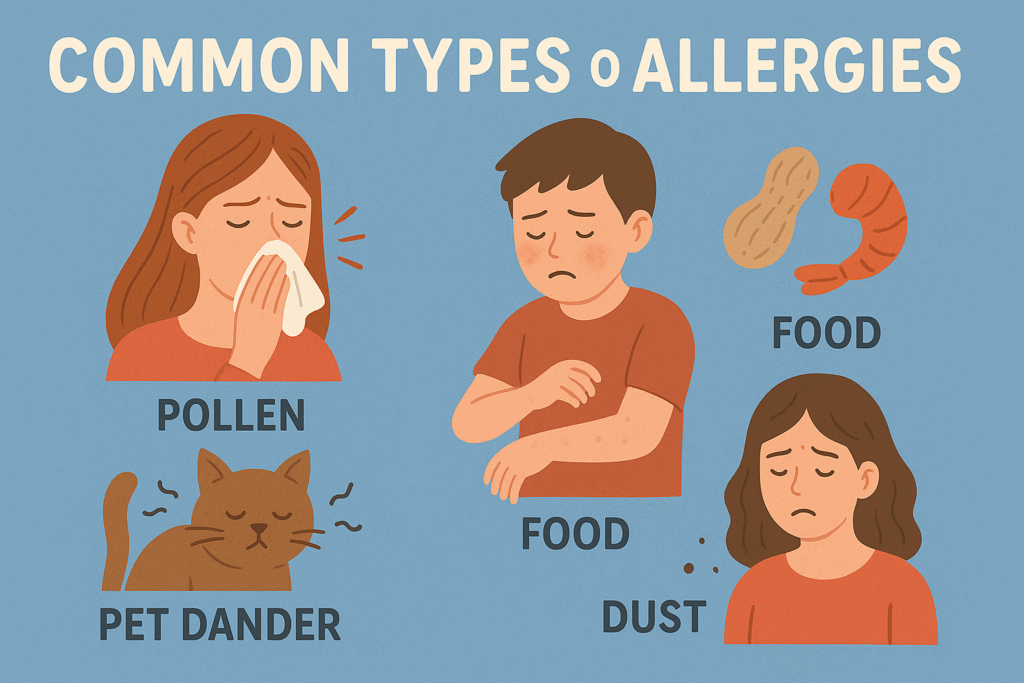
The allergic reactions vary from person to person, given the different sensitivity of each individual and their various levels of exposure. Certain commonly identified types that affect people across the world include:
Hypersensitivities to the Environment
- Pollen
- House dust mites
- Mold spores
- Pet dander
These are usually seasonal or indoor-related.
Food Allergies
- Milk
- Eggs
- Peanuts
- Tree nuts
- Wheat
- Soy
- Fish
- Shellfish
They range from mild diarrhea to severe anaphylaxis.
Skin Allergies
- Eczema (Atopic Dermatitis)
- Contact dermatitis
- Hives (Urticaria)
These are usually caused by cosmetics, plants, and exposures to certain chemicals.
Allergies to Drugs
- Antibiotics, particularly penicillin
- Examples of NSAIDs include ibuprofen and aspirin
- Certain anesthetics
Drug allergies usually cause skin rashes or severe systemic reactions.
Insect Allergies
- Bee stings
- Wasp venom
- Fire ants
These are dangerous allergies that need immediate medical attention.
Common Allergens and Their Typical Symptoms
| Allergen Type | Examples | Typical Symptoms |
|---|---|---|
| Pollen | Grass, trees, weeds | Sneezing, itchy eyes, runny nose |
| Dust & Mites | Household dust, bedding | Coughing, congestion, itchy skin |
| Foods | Nuts, milk, shellfish | Hives, vomiting, swelling, anaphylaxis |
| Medications | Penicillin, NSAIDs | Rash, difficulty breathing, swelling |
| Insects | Bees, wasps, ants | Pain, swelling, anaphylaxis |
| Animal Dander | Cats, dogs | Wheezing, sneezing, itchy eyes |
| Mold | Damp places, basements | Cough, congestion, asthma flare-ups |
Symptoms of Allergies
The symptoms of an allergy depend upon what is causing the allergy allergens and a person’s immune response. Symptoms may be mild, moderate, severe, or life-threatening.
Common Mild to Moderate Symptoms
- Sneezing
- Runny or stuffy nose
- Red, watery, or itchy eyes
- Pruritus, or itchy skin
- Rash
- Coughing
- Fatigue
Severe Symptoms (Possible Life-Threatening)
This might result in anaphylaxis, a life-threatening condition requiring immediate treatment.
Symptoms of Anaphylaxis:
- Sudden swelling of the lips, throat, or face
- Difficulty breathing
- Lowering of blood pressure
- Racing heartbeat
- Loss of consciousness
Epinephrine via EpiPen is indicated for immediate administration.
Causes & Risk Factors
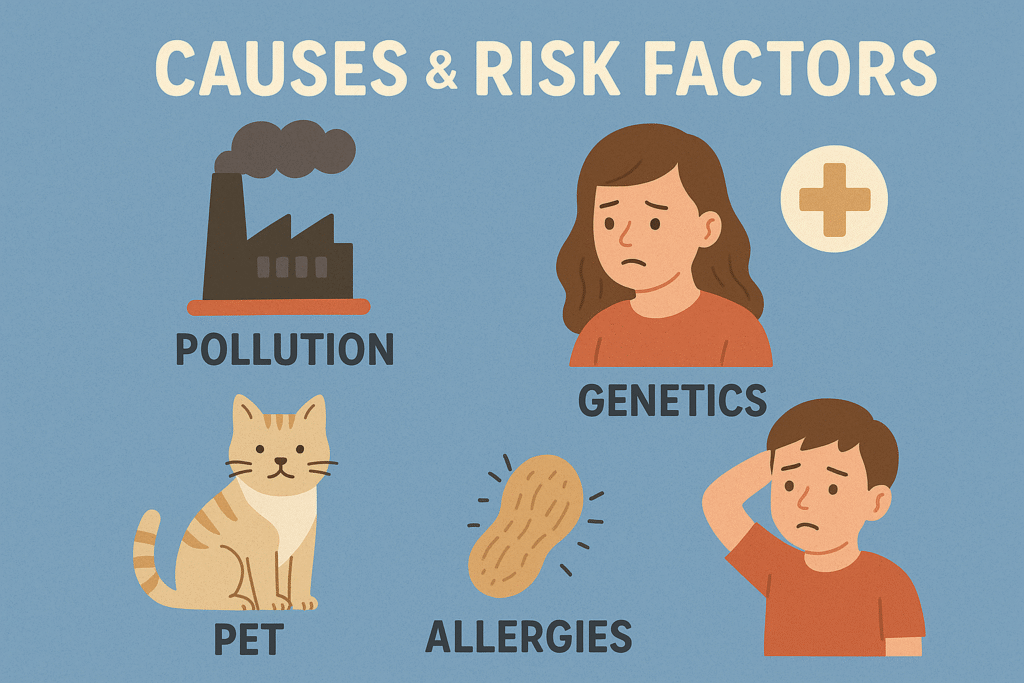
Allergies are the culmination of genetics, lifestyle, and environmental factors.
Genetic Factors
The child may inherit allergies in case one of the parents has them, with a chance up to 50%. If both parents have the allergy, this increases the risk even further.
Environmental Factors
- Pollution
- Climate change (longer pollen seasons)
- Processed foods
- Chemical exposure
Lifestyle Factors
- Smoking
- Poor indoor hygiene
- Overuse of antibiotics
- Early childhood exposure to allergens
How Allergies Are Diagnosed
Accurate diagnosis is important for long-term management.
History of Present Illness
Doctors ask about symptoms, family history, and triggering exposures.
Physical Examination
Patterns are looked for in skin, nasal passages, and lungs.
Allergy Tests
- Skin Prick Test: Exposing a small amount of allergen to the skin to observe reactions.
- Blood Test (IgE Test): Measures allergen-specific antibodies in the blood.
- Patch Test: Used to diagnose contact dermatitis.
- Elimination Diets: Used under medical supervision for identification of food allergies.
Alternative Treatments of Allergies
There is no cure for allergies; however, treatments effectively minimize symptoms or even eliminate them altogether.
Avoidance Strategies
Minimizing exposure to allergens is the first step.
Examples:
- Air purifiers
- Avoid areas with high pollen counts
- Wash bedding weekly
- Use hypoallergenic products
Medications
- Antihistamines: Reduce symptoms like itching and sneezing.
- Decongestants: Open nasal passages.
- Corticosteroids: Decrease inflammation via nasal sprays, creams, inhalers.
- Leukotriene Modifiers: Helps against allergies related to asthma.
- Adrenaline: For life-threatening allergic reactions.
Immunotherapy (Allergy Shots or Drops)
Long-term treatment trains the immune system to become less sensitive.
Benefits include:
- Symptom reduction
- Fewer medications
- Improvement in living standards
- Possible long-term remission
Lifestyle Approaches to Allergy Relief
Complementary approaches do have a role in naturally alleviating symptoms.
Environmental Control
- Keep the windows closed throughout pollen season
- Maintain proper humidity to avoid mold
- Regularly use HEPA-filtered vacuuming machines
Dietary Changes
Some foods reduce inflammation and enhance immunity:
- Omega-3 fatty acids
- Turmeric
- Ginger
- Vitamin C foods
Hydration & Fitness
Staying hydrated and active supports lung function and immunity.
Allergies in Children vs. Adults
Children
- More likely to develop food allergies
- Many kids outgrow milk and egg allergies
- Early detection combined with timely treatment is important
Adults
- More prone to environmental and drug allergies
- Can develop allergies later in life due to changes in lifestyle or immunity
Complications of Untreated Allergies
If left unmanaged, complications of allergies may range from:
- Chronic sinusitis
- Asthma
- Ear infections
- Sleep disturbances
- Skin infections
- Lower productivity or inability to concentrate
Emotional & Mental Impact
Chronic allergies affect more than physical health.
Common Emotional Effects:
- Anxiety
- Irritability
- Fatigue
- Social limitations
Proper management brings clarity of mind, confidence, and improves daily performance.
Benefits of Properly Managed Allergies
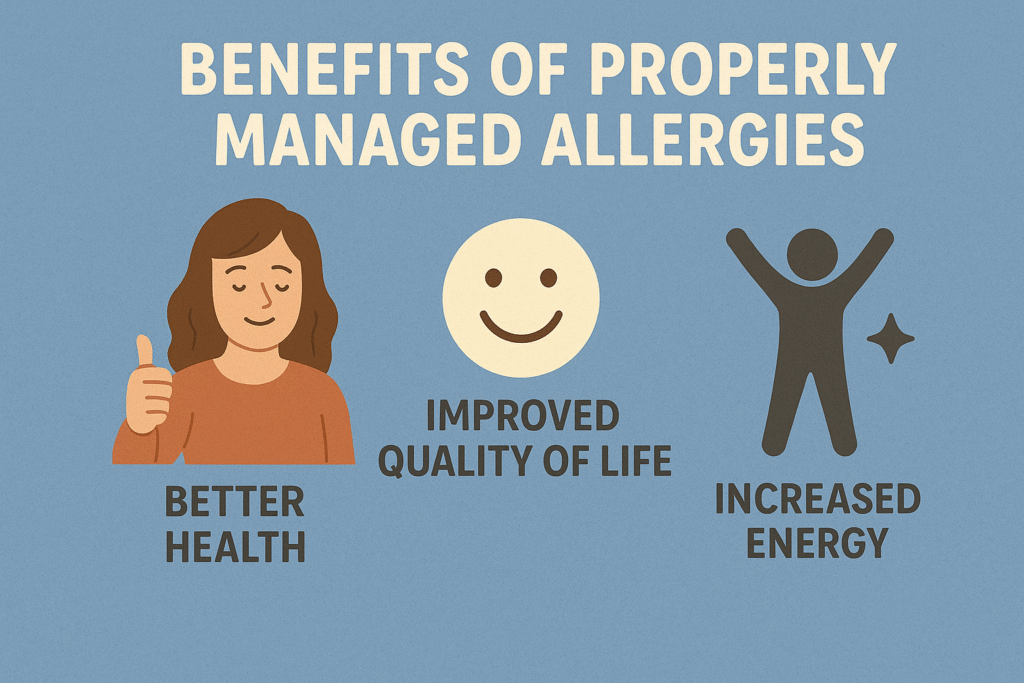
Effective management of allergies pays big dividends across life aspects.
- Improved Breathing & Energy: Less congestion translates into better sleep and higher energy levels.
- Higher Productivity: Clearer sinuses and less fatigue improve concentration.
- Fewer Medical Emergencies: Proper care can prevent severe reactions.
- Better Skin & Gut Health: Reduced inflammation benefits digestion and dermatology.
- Better Quality of Life: You feel more in control, comfortable, and active.
Prevention Tips for Long-Term Relief
- Keep indoor spaces clean and dust-free
- Limit exposure to known allergens
- Maintain a healthy lifestyle
- Monitor seasonal allergy updates
- Seek early treatment when symptoms first start
Conclusion
Allergies are common but can be effectively managed with the right knowledge and strategies. Understanding causes, triggers, symptoms, and treatments equips individuals to take care of their health and enjoy a much better quality of life. Seasonal allergies, food sensitivities, or skin reactions all require early awareness and proper management to avoid complications in life.
References
- World Allergy Organization (WAO)
- American Academy of Allergy, Asthma & Immunology (AAAAI)
- Mayo Clinic – Allergies Overview
- Centers for Disease Control and Prevention (CDC) – Allergies
- National Institutes of Health (NIH) – Immune Response
- American College of Allergy, Asthma & Immunology (ACAAI)
- European Academy of Allergy and Clinical Immunology (EAACI)
- Journal of Allergy and Clinical Immunology
- Cleveland Clinic – Allergy Symptoms & Treatment
- Harvard Health Publishing – Understanding Allergies
One thought on “Powerful Ways to Beat Allergies Before They Get Worse”