
Dr Ahsan Tariq , MBBS, MRCP (UK ) ongoing, IMT ( Internal Medicine Trainee, NHS England), GMC : 7805049
Dr Ahsan Tariq is a UK-registered medical doctor with a background in internal medicine and a focus on evidence-based research in cognitive health and nootropics. He critically reviews scientific studies, supplements, and ingredients to help readers make informed, safe, and effective choices for brain health and performance.
Introduction
Plants are complex living organisms that depend on internal transport systems to survive and grow efficiently. Unlike simple organisms that rely on surface diffusion, higher plants require a specialized internal network to move water, minerals, and nutrients across long distances. This internal network is known as the vascular system. The vascular in plants definition explains how plants transport essential substances from one part of the body to another through specialized tissues [1].
The emergence of vascular tissue was a major milestone in plant evolution. It allowed plants to grow taller, develop stronger structures, and colonize land environments successfully [2]. Today, most plants on Earth are vascular plants, forming the backbone of terrestrial ecosystems and agricultural systems.
Understanding the Topic
Vascular In Plants Definition
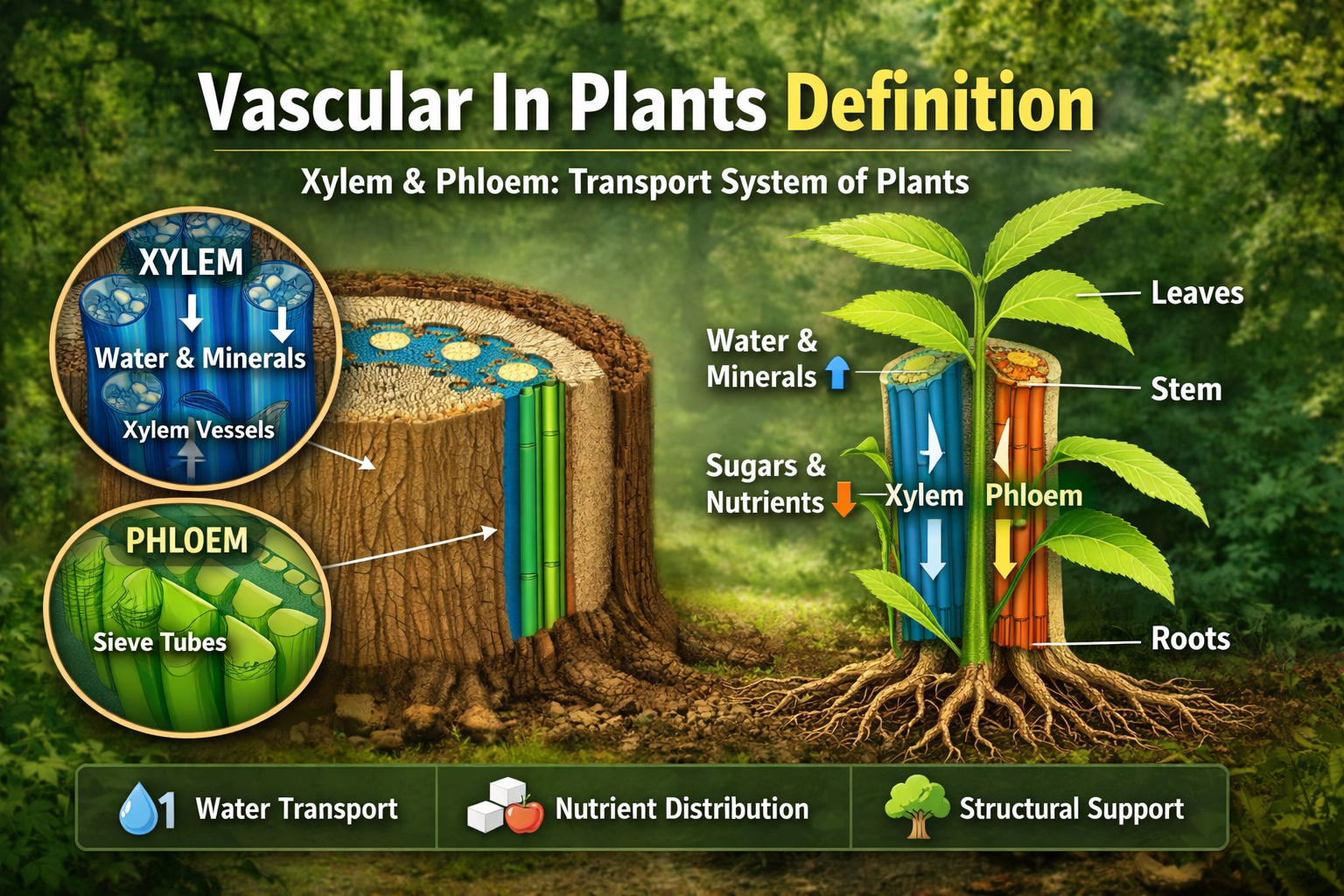
The vascular in plants definition refers to the presence of specialized conducting tissues that enable the transport of water, minerals, and organic nutrients throughout the plant body [3]. These tissues form a continuous system connecting roots, stems, and leaves, ensuring that all plant parts receive the resources they need to function.
Vascular tissue overcomes the limitations of diffusion by enabling long-distance transport, which is essential for larger plant bodies and complex growth patterns [4].
Classification Based on Vascular Tissue
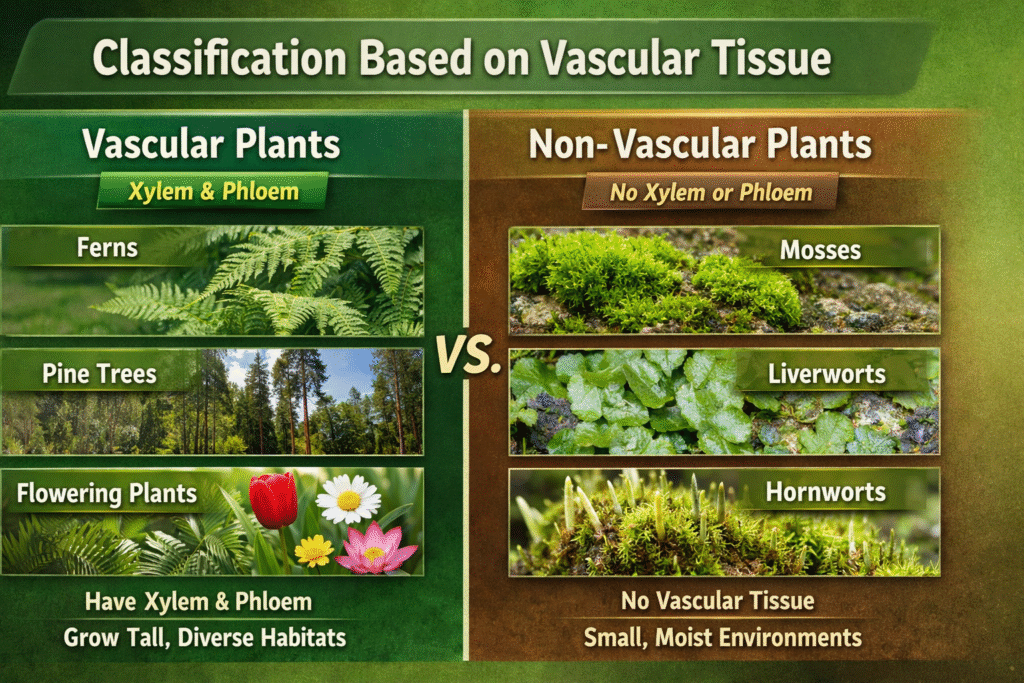
Plants are broadly classified into two major groups based on the presence or absence of vascular tissues.
Vascular Plants
Vascular plants possess well-developed xylem and phloem tissues. This group includes ferns, gymnosperms, and angiosperms. These plants are capable of upright growth and can thrive in a wide range of environments due to efficient internal transport systems [5].
Non-Vascular Plants
Non-vascular plants lack specialized vascular tissues and rely on diffusion and osmosis for internal transport. Examples include mosses, liverworts, and hornworts. Due to transport limitations, these plants remain small and are typically found in moist habitats [6].
How It Works
Structure of the Vascular System
The vascular system in plants consists of two main tissues that work together to maintain plant life and growth.
Xylem Structure and Function
Xylem is responsible for transporting water and dissolved mineral nutrients from the roots to the leaves and other aerial parts of the plant. It is composed of tracheids, vessel elements, fibers, and parenchyma cells [7]. The thick, lignified cell walls of xylem provide mechanical strength and structural support [8].
Water movement in xylem occurs through transpiration pull, cohesion between water molecules, and adhesion to vessel walls, forming a continuous water column [9].
Phloem Structure and Function
Phloem transports organic nutrients, primarily sugars produced during photosynthesis, from the leaves to growing and storage tissues. Phloem tissue consists of sieve tube elements, companion cells, fibers, and parenchyma cells [10].
Unlike xylem, phloem transport is bidirectional and depends on pressure gradients created by sugar loading and unloading [11].
Importance
Role in Plant Growth and Development
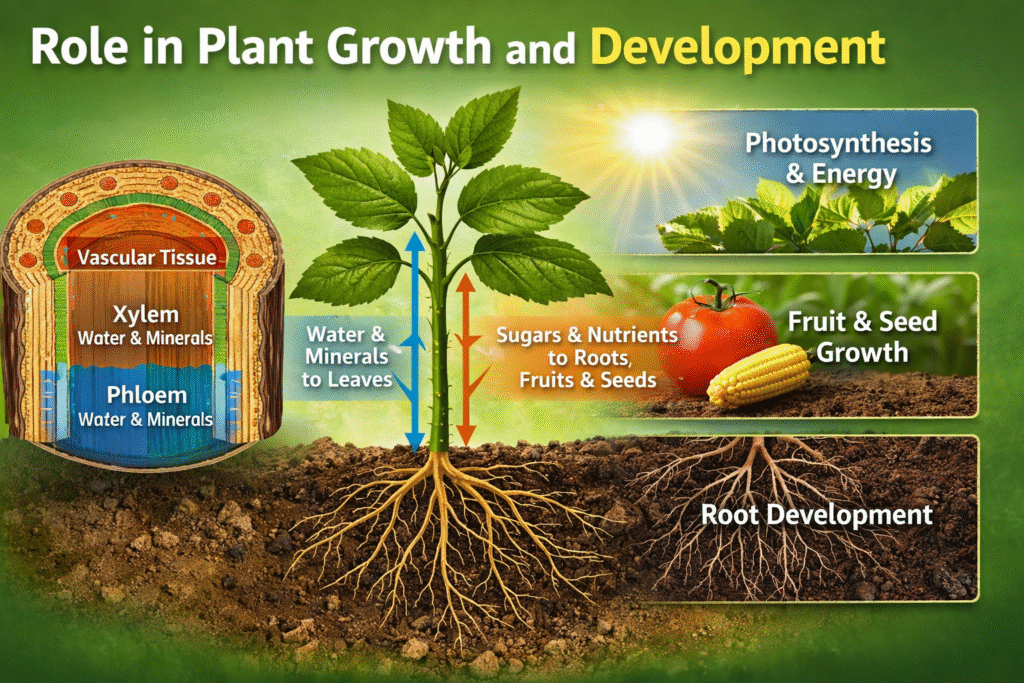
Vascular tissue ensures that water reaches the leaves for photosynthesis and that sugars are transported to roots, fruits, and developing tissues [12].
Ecological Importance
Vascular plants dominate terrestrial ecosystems by providing food, oxygen, shelter, and habitat stability. They also play a key role in carbon cycling and climate regulation [13].
Evolutionary Significance
The evolution of vascular tissues enabled plants to move from aquatic to terrestrial environments, leading to increased size, complexity, and diversity [14].
Proven Benefits
Efficient Transport of Resources
The vascular system enables rapid and efficient movement of water, minerals, and nutrients, supporting high metabolic activity and growth rates [15].
Structural Support and Stability
Lignified xylem tissues allow plants to grow upright and withstand environmental stresses such as wind and gravity [16].
Improved Reproductive Success
Efficient transport systems support flower formation, fruit development, and seed production, enhancing reproductive efficiency [17].
Potential Risks
Xylem Cavitation and Embolism
Air bubbles can form in xylem vessels, disrupting water transport and reducing plant hydration, especially during drought conditions [18].
Disease Transmission
Pathogens can spread through vascular tissues, leading to systemic diseases such as vascular wilts [19].
Environmental Stress Sensitivity
Extreme drought, salinity, pollution, and soil compaction can damage vascular tissues and impair plant function [20].
Scientific Evidence
Evidence for Xylem Water Transport
Research confirms that transpiration-driven tension is the primary mechanism for water movement through xylem vessels [21].
Evidence Supporting Phloem Transport
Experimental studies support the pressure-flow hypothesis as the dominant model for phloem nutrient transport [22].
Fossil and Evolutionary Evidence
Fossil records show that vascular tissues appeared over 400 million years ago, coinciding with major plant diversification events [23].
Benefits vs Risks Comparison
| Aspect | Benefits | Risks |
|---|---|---|
| Water transport | Continuous hydration | Cavitation formation |
| Nutrient flow | Supports rapid growth | Disease spread |
| Structural role | Mechanical strength | Stress-related damage |
Safe Usage Guidelines
Supporting Healthy Vascular Function
Proper irrigation, balanced fertilization, and soil aeration help maintain vascular efficiency in plants [24].
Environmental Management Practices
Reducing water stress and avoiding soil compaction minimizes damage to vascular tissues [25].
Who Should Avoid It
Extremely Dry Environments
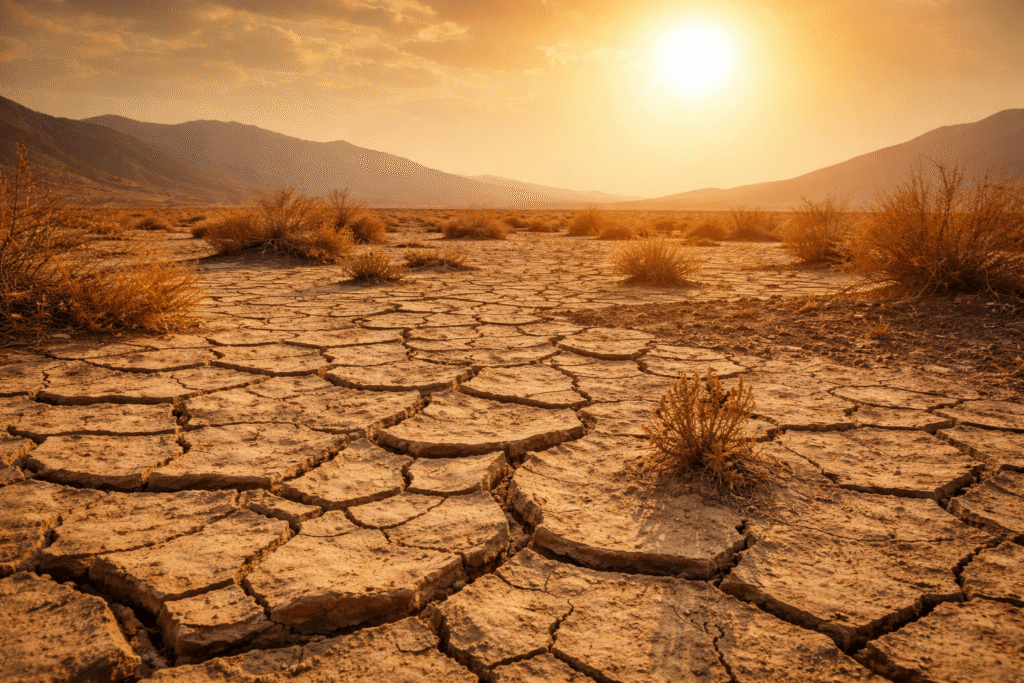
In arid ecosystems, non-vascular plants may be better adapted due to lower water requirements [26].
Highly Restricted Growth Conditions
Some vascular plants struggle in confined or artificial environments without proper structural and nutrient support [27].
Alternatives
Non-Vascular Plants
Mosses and liverworts rely on surface absorption and diffusion instead of vascular transport, making them suitable for moist habitats [28].
Controlled Growth Systems
Hydroponic and aeroponic systems can compensate for natural transport limitations under controlled conditions [29].
Expert Opinions
Views from Plant Scientists
Plant physiologists widely regard vascular tissue as the most significant evolutionary adaptation that enabled plants to dominate terrestrial ecosystems [30].
Key Takeaways
Core Points Summary
The vascular in plants definition centers on xylem and phloem tissues that transport water, minerals, and food while providing structural support essential for plant survival.
FAQs
What is vascular tissue in plants?
Vascular tissue consists of xylem and phloem that transport water, minerals, and nutrients.
Why are vascular plants more successful?
They efficiently distribute resources and grow taller.
Do all plants have vascular tissue?
No, non-vascular plants lack these tissues.
Conclusion
The vascular in plants definition describes a fundamental biological system that enables plants to survive and thrive in terrestrial environments. By supporting efficient transport, structural stability, and resource allocation, vascular tissues have shaped plant evolution and modern ecosystems. Although vascular systems face risks such as disease spread and environmental stress, their advantages greatly outweigh the limitations. A clear understanding of this topic is essential for students, educators, and researchers in plant biology.
References
- Raven et al., Plant Biology
- Taiz et al., Plant Physiology
- Mauseth, Botany
- Evert, Plant Anatomy
- Gifford and Foster, Vascular Plants
- Smith, Bryophyte Biology
- Tyree and Zimmermann, Xylem Structure
- Boerjan et al., Lignin Studies
- Cohesion-Tension Theory Research
- Münch, Phloem Transport
- Nobel, Plant Physiology
- Kramer and Boyer, Water Relations
- Chapin et al., Ecosystem Ecology
- Kenrick and Crane, Plant Evolution
- Niklas, Plant Biomechanics
- Esau, Plant Anatomy
- Taiz and Zeiger, Growth Physiology
- Choat et al., Xylem Cavitation
- Agrios, Plant Pathology
- Abiotic Stress Studies
- Transpiration Research
- Pressure-Flow Hypothesis
- Paleobotany Fossil Studies
- Agricultural Extension Reports
- Soil Science Research
- Ecology of Non-Vascular Plants
- Controlled Environment Agriculture
- Bryophyte Adaptations
- Hydroponic Systems Research
- Modern Botany Reviews