

Dr Ahsan Tariq , MBBS, MRCP (UK ) ongoing, IMT ( Internal Medicine Trainee, NHS England), GMC : 7805049
Dr Ahsan Tariq is a UK-registered medical doctor with a background in internal medicine and a focus on evidence-based research in cognitive health and nootropics. He critically reviews scientific studies, supplements, and ingredients to help readers make informed, safe, and effective choices for brain health and performance.
Introduction: Mitochondrial Health 2026
Mitochondrial health has become a central topic in modern health, longevity, and disease prevention research. Once viewed simply as cellular energy producers, mitochondria are now recognized as critical regulators of metabolism, immune response, cellular signaling, and aging. Nearly every physiological process in the human body depends on healthy mitochondrial function, making these organelles essential for survival and optimal performance [1].
Modern lifestyles characterized by poor nutrition, chronic stress, sedentary behavior, and environmental toxin exposure have placed unprecedented strain on mitochondrial systems. As a result, mitochondrial dysfunction is increasingly linked to fatigue, metabolic disease, neurodegeneration, cardiovascular disorders, and accelerated aging [2].
This comprehensive guide explores mitochondrial health in depth, explaining how mitochondria work, why they matter, their proven benefits, potential risks, scientific evidence, and practical strategies to support them safely and effectively.
Understanding Mitochondrial Health
What Are Mitochondria
Mitochondria are membrane-bound organelles found in nearly all human cells. Their primary function is the production of adenosine triphosphate (ATP), the molecule responsible for storing and delivering energy for cellular processes [3]. Cells with high energy demands, such as muscle cells, neurons, and heart cells, contain especially large numbers of mitochondria.
Unlike other organelles, mitochondria possess their own genetic material, known as mitochondrial DNA (mtDNA). This DNA is inherited exclusively from the mother and plays a crucial role in regulating energy metabolism and cellular respiration [4].
What Is Mitochondrial Health
Mitochondrial health refers to the capacity of mitochondria to efficiently produce energy, manage oxidative stress, adapt to metabolic demands, and maintain structural integrity over time [5]. Healthy mitochondria are flexible, resilient, and capable of self-renewal. Dysfunctional mitochondria, on the other hand, generate insufficient energy while producing excessive reactive oxygen species, leading to cellular damage.
How Mitochondrial Health Works
ATP Production and Energy Metabolism
Mitochondria generate ATP through a process called oxidative phosphorylation. This process occurs along the inner mitochondrial membrane and involves a series of protein complexes known as the electron transport chain [6]. Nutrients such as carbohydrates, fats, and proteins are broken down into smaller molecules that donate electrons to this chain, ultimately driving ATP synthesis.
The Role of Oxygen
Oxygen serves as the final electron acceptor in the electron transport chain. Without sufficient oxygen, ATP production declines dramatically, highlighting the dependence of mitochondrial function on proper oxygen delivery and cardiovascular health [7].
Mitochondrial Biogenesis
Mitochondrial biogenesis is the process by which new mitochondria are formed within cells. This process is regulated by cellular signaling pathways involving transcription factors such as PGC-1α, which responds to physical activity, nutrient availability, and metabolic stress [8].
Fusion, Fission, and Mitophagy
Mitochondria constantly undergo fusion and fission to maintain optimal function. Fusion allows mitochondria to share resources and repair damage, while fission enables the removal of dysfunctional mitochondria through a process called mitophagy [9]. These quality-control mechanisms are essential for long-term mitochondrial health.
Importance of Mitochondrial Health
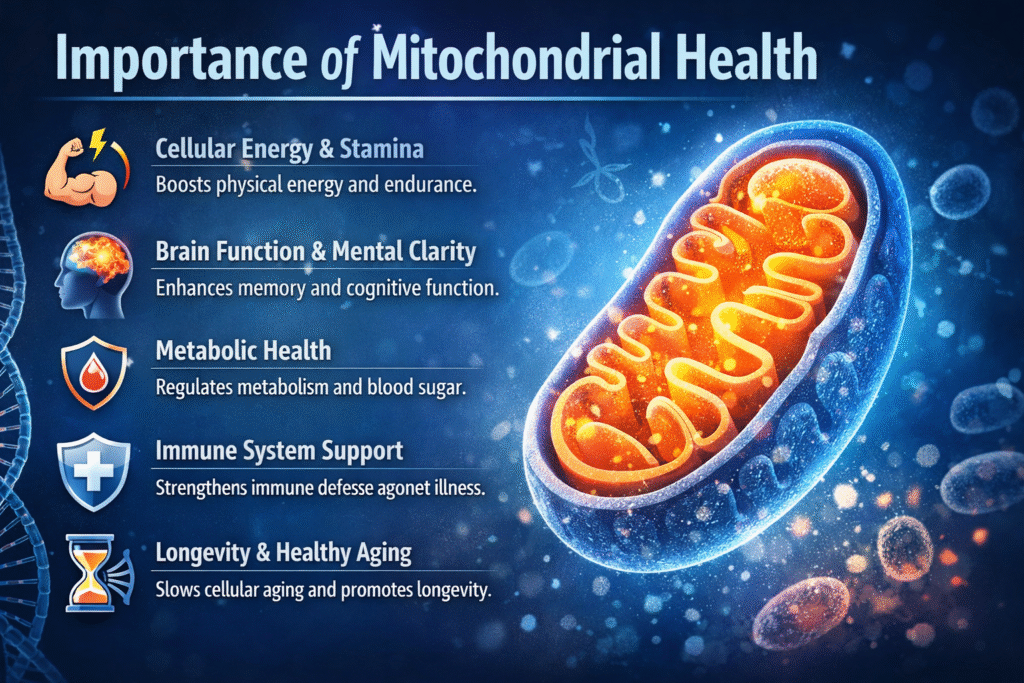
Cellular Energy and Vitality
ATP fuels virtually every cellular activity, from muscle contraction to nerve signaling. When mitochondrial efficiency declines, energy shortages occur at the cellular level, leading to fatigue, weakness, and reduced performance [10].
Brain Function and Cognitive Health
The brain consumes a disproportionate amount of energy relative to its size. Neurons rely heavily on mitochondrial ATP to maintain electrical signaling, neurotransmitter release, and synaptic plasticity [11]. Impaired mitochondrial function is closely associated with cognitive decline and neurodegenerative disease.
Metabolic Regulation
Mitochondria regulate glucose and lipid metabolism, influencing insulin sensitivity and fat oxidation. Dysfunctional mitochondria contribute to insulin resistance and metabolic disorders such as type 2 diabetes [12].
Immune System Function
Mitochondria play a key role in immune signaling and inflammatory regulation. Healthy mitochondrial activity supports balanced immune responses, while dysfunction promotes chronic inflammation [13].
Longevity and Aging
Mitochondrial decline is considered a hallmark of aging. Accumulated mitochondrial DNA damage and reduced biogenesis contribute to cellular aging and tissue degeneration [14].
Proven Benefits of Healthy Mitochondria
Increased Energy Levels
Efficient mitochondrial function leads to higher ATP availability, resulting in sustained physical and mental energy throughout the day [15].
Enhanced Metabolic Flexibility
Healthy mitochondria allow the body to switch efficiently between carbohydrate and fat metabolism, supporting weight management and metabolic health [16].
Improved Cognitive Performance
Optimized mitochondrial activity enhances neuronal resilience, memory formation, and mental clarity [17].
Improved Muscle Strength and Endurance
Mitochondrial density and efficiency are directly linked to muscular endurance and recovery capacity [18].
Reduced Oxidative Stress
Balanced mitochondrial activity minimizes excessive free radical production, reducing oxidative damage to cells [19].
Support for Healthy Aging
Individuals with preserved mitochondrial function demonstrate slower biological aging and improved functional capacity [20].
Potential Risks and Downsides
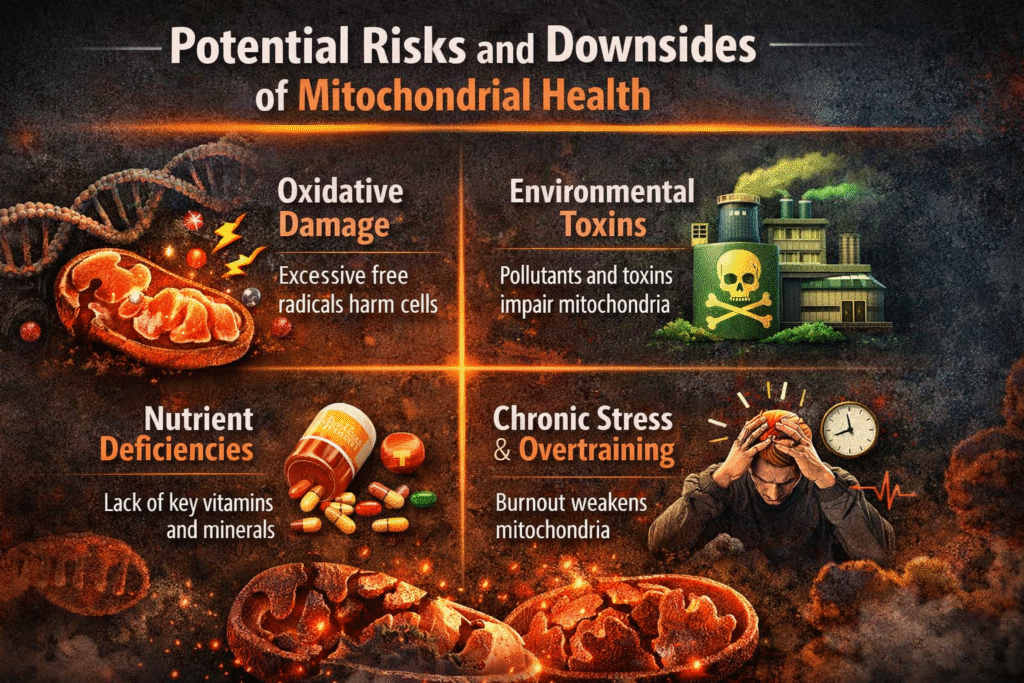
Oxidative Stress Overload
While mitochondria naturally produce reactive oxygen species, excessive production overwhelms antioxidant defenses, damaging cellular structures [21].
Environmental Toxins
Heavy metals, pesticides, and air pollutants disrupt mitochondrial enzymes and impair energy production [22].
Nutrient Deficiencies
Micronutrients such as B vitamins, magnesium, and iron are essential for mitochondrial enzymes. Deficiencies impair ATP synthesis [23].
Overtraining and Chronic Stress
Excessive physical or psychological stress can exceed mitochondrial recovery capacity, leading to energy depletion [24].
Scientific Evidence and Research Findings
Extensive research confirms the central role of mitochondria in health and disease. Mitochondrial dysfunction is implicated in neurodegenerative diseases such as Alzheimer’s and Parkinson’s disease [25]. Clinical trials demonstrate that lifestyle interventions, including exercise and dietary modification, significantly improve mitochondrial function and metabolic outcomes [26].
Benefits vs Risks Comparison
| Aspect | Benefits | Risks |
|---|---|---|
| Energy Production | Higher ATP output | Oxidative damage if overstressed |
| Metabolism | Improved insulin sensitivity | Metabolic dysfunction if impaired |
| Brain Health | Enhanced cognition | Neurodegeneration risk |
| Aging | Slower cellular aging | Accelerated decline with damage |
Safe Usage Guidelines to Support Mitochondrial Health
Nutrition Strategies
Diets rich in whole foods, antioxidants, and healthy fats support mitochondrial membranes and enzymes [27].
Exercise Guidelines
Moderate aerobic and resistance exercise stimulates mitochondrial biogenesis without excessive oxidative stress [18].
Sleep and Recovery
Adequate sleep supports mitochondrial repair and hormonal balance [28].
Stress Management
Mindfulness practices reduce stress-induced mitochondrial damage and improve cellular resilience [29].
Who Should Avoid Aggressive Mitochondrial Interventions
Individuals with genetic mitochondrial disorders, chronic illnesses, or those undergoing medical treatment should seek professional guidance before attempting targeted interventions [30].
Alternatives to Direct Mitochondrial Optimization
Lifestyle-First Approaches
Improving overall metabolic health through balanced nutrition, physical activity, and sleep indirectly enhances mitochondrial function.
Cardiovascular Conditioning
Improved oxygen delivery supports mitochondrial efficiency naturally.
Expert Opinions on Mitochondrial Health
Cellular biologists emphasize that mitochondrial health reflects cumulative lifestyle patterns rather than isolated interventions. Sustainable habits remain the most reliable strategy for long-term mitochondrial resilience [5].
Key Takeaways
Mitochondrial health underpins energy production, metabolism, cognitive function, and longevity. Supporting mitochondria through evidence-based lifestyle strategies reduces disease risk and promotes sustained vitality.
Frequently Asked Questions
What Is the Main Function of Mitochondria
Their primary role is ATP production for cellular energy [3].
Can Mitochondrial Damage Be Reversed
Partial recovery is possible through lifestyle changes that stimulate mitochondrial biogenesis [26].
Is Mitochondrial Health Linked to Aging
Yes, mitochondrial decline is a major contributor to biological aging [14].
Conclusion
Mitochondrial health represents a foundational pillar of human well-being. Scientific evidence confirms that maintaining efficient, resilient mitochondria supports energy, metabolic balance, brain health, and longevity. By prioritizing nutrition, movement, recovery, and stress management, individuals can protect their mitochondria and promote long-term health at the cellular level [1].
References
- Wallace DC. Mitochondrial disease and aging
- Picard M et al. Mitochondrial health and lifestyle
- Nicholls DG, Ferguson SJ. Bioenergetics
- Anderson S et al. Human mitochondrial genome
- Picard M et al. Mitochondrial function and health
- Mitchell P. Chemiosmotic coupling
- Rich PR. Oxygen and ATP synthesis
- Scarpulla RC. Mitochondrial biogenesis
- Youle RJ. Mitochondrial dynamics
- Chen Q et al. Energy metabolism
- Mattson MP. Brain energy metabolism
- Lowell BB, Shulman GI. Insulin resistance
- West AP et al. Mitochondria and immunity
- Sun N et al. Mitochondria and aging
- Hood DA. Exercise bioenergetics
- Petersen KF et al. Metabolic flexibility
- Grimm A et al. Cognition and mitochondria
- Granata C et al. Exercise adaptations
- Murphy MP. Reactive oxygen species
- Gonzalez-Freire M et al. Healthy aging
- Brand MD. Oxidative stress
- Meyer JN et al. Environmental toxins
- Ames BN. Micronutrients and mitochondria
- Picard M. Stress effects
- Lin MT, Beal MF. Neurodegeneration
- Robinson MM et al. Lifestyle intervention
- DiMauro S, Schon EA. Nutrition and mitochondria
- Rangaraj VR et al. Sleep and mitochondria
- Burtscher J et al. Stress resilience
- Gorman GS et al. Clinical mitochondrial disorders