
Dr Ahsan Tariq , MBBS, MRCP (UK ) ongoing, IMT ( Internal Medicine Trainee, NHS England), GMC : 7805049
Dr Ahsan Tariq is a UK-registered medical doctor with a background in internal medicine and a focus on evidence-based research in cognitive health and nootropics. He critically reviews scientific studies, supplements, and ingredients to help readers make informed, safe, and effective choices for brain health and performance.
Introduction
Histamine intolerance is a condition that has gained increasing attention in recent years due to its complex symptoms and diagnostic challenges. Many people experience unexplained headaches, digestive discomfort, skin reactions, or breathing issues without realizing that histamine may be the underlying cause. A histamine intolerance test is often suggested as a way to identify whether the body is struggling to break down histamine efficiently. Understanding how this test works, its benefits, limitations, and scientific basis is essential before relying on it for health decisions.
This article provides a comprehensive, beginner-friendly, and scientifically accurate guide to the histamine intolerance test, covering its importance, benefits, risks, alternatives, and expert perspectives.
Understanding the Topic
What Is Histamine?
Histamine is a naturally occurring compound involved in immune responses, digestion, and nervous system signaling. It is released by immune cells and is also present in many foods, especially fermented and aged products [1].
What Is Histamine Intolerance?
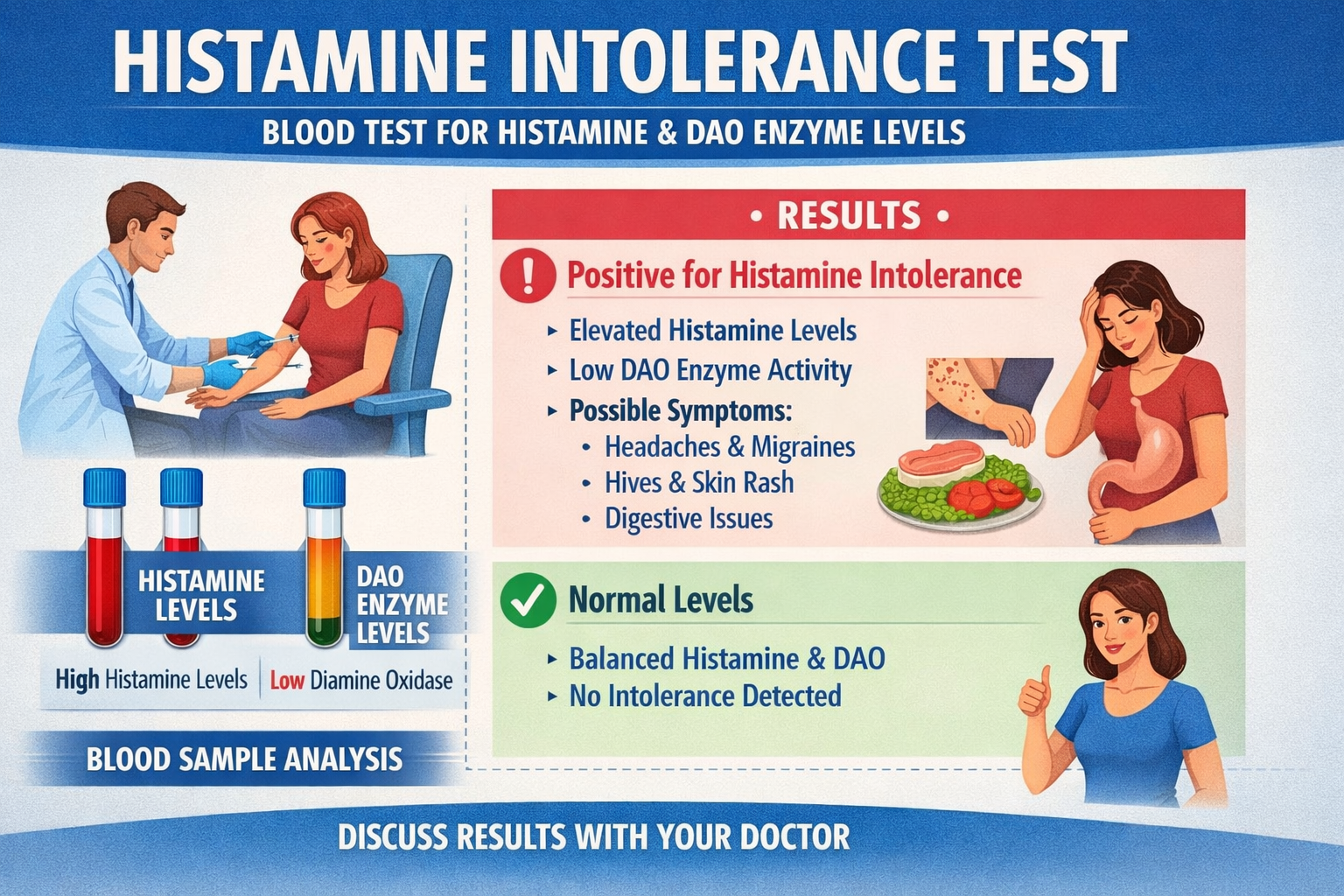
Histamine intolerance occurs when the body accumulates excess histamine due to impaired breakdown, commonly linked to reduced activity of the enzyme diamine oxidase (DAO) [2]. This condition is not a true allergy but a metabolic imbalance that can mimic allergic reactions [3].
How It Works
Role of Diamine Oxidase (DAO)
DAO is the primary enzyme responsible for breaking down dietary histamine in the gut. When DAO activity is low, histamine accumulates and triggers symptoms [4].
What Is a Histamine Intolerance Test?
A histamine intolerance test typically measures DAO levels in the blood or evaluates histamine concentration. Some approaches also involve elimination diets and symptom tracking as indirect testing methods [5].
Importance
Why Testing Matters
Testing helps differentiate histamine intolerance from food allergies, irritable bowel syndrome, or other inflammatory conditions [6]. Accurate identification can prevent unnecessary dietary restrictions and inappropriate treatments.
Growing Clinical Relevance
Studies suggest that histamine intolerance may be underdiagnosed due to overlapping symptoms with other disorders [7].
Proven Benefits
Improved Symptom Management
Identifying histamine intolerance allows individuals to tailor their diet and lifestyle, often leading to symptom relief [8].
Personalized Nutrition Planning
Test results support targeted dietary adjustments instead of generalized food avoidance [9].
Reduced Diagnostic Confusion
Testing can help rule out other conditions, streamlining the diagnostic process [10].
Potential Risks
False Positives or Negatives
DAO levels can fluctuate due to medications, stress, or hormonal changes, potentially affecting accuracy [11].
Over-Reliance on Test Results
Relying solely on test values without clinical context may lead to misinterpretation [12].
Unnecessary Dietary Restrictions
Misdiagnosis may result in overly restrictive diets, increasing the risk of nutrient deficiencies [13].
Scientific Evidence
Research on DAO and Histamine Intolerance
Several studies support the association between low DAO activity and histamine-related symptoms [14].
Limitations in Standardization
There is currently no universally accepted diagnostic cutoff for DAO levels, limiting test standardization [15].
Ongoing Research
Researchers continue to explore more reliable biomarkers and testing protocols [16].
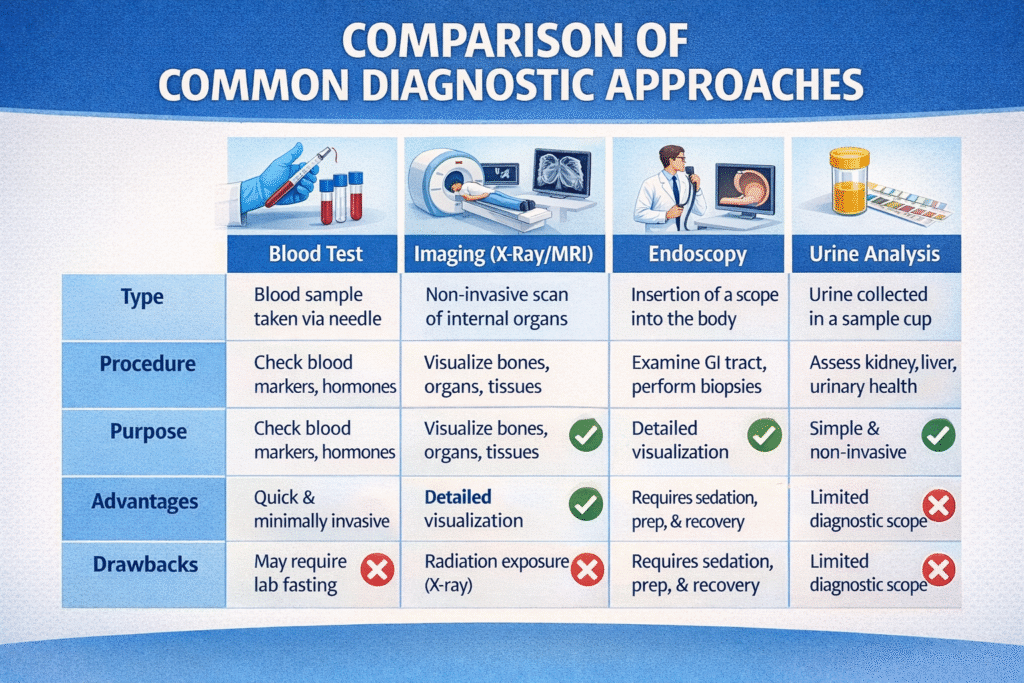
Comparison of Common Diagnostic Approaches
| Method | What It Measures | Accuracy | Clinical Use |
|---|---|---|---|
| DAO Blood Test | DAO enzyme levels | Moderate | Initial screening |
| Histamine Blood Test | Circulating histamine | Variable | Supportive evidence |
| Elimination Diet | Symptom response | High when supervised | Practical diagnosis |
| Skin Prick Test | IgE response | Low for intolerance | Rules out allergy |
Benefits vs Risks Comparison
| Benefits | Risks |
|---|---|
| Helps identify histamine intolerance | Possible false results |
| Supports personalized diet plans | Over-restriction of foods |
| Improves symptom control | Lack of standard diagnostic criteria |
| Reduces diagnostic uncertainty | Misinterpretation without medical guidance |
Safe Usage Guidelines
Medical Supervision
Histamine intolerance testing should be interpreted by a healthcare professional familiar with gastrointestinal and metabolic conditions [17].
Combine With Clinical Evaluation
Test results should always be considered alongside symptoms, dietary history, and medication use [18].
Follow-Up and Monitoring
Ongoing symptom tracking and nutritional monitoring are essential after testing [19].
Who Should Avoid It
Individuals Without Symptoms
Routine testing is not recommended for asymptomatic individuals [20].
Those With Acute Illness
Temporary infections or inflammatory conditions may alter histamine or DAO levels [21].
Self-Diagnosing Individuals
Testing without professional guidance increases the risk of misdiagnosis [22].
Alternatives
Elimination and Reintroduction Diet
A supervised low-histamine diet followed by systematic food reintroduction is considered a practical diagnostic tool [23].
Gut Health Assessment
Addressing gut inflammation and microbiome imbalances may improve histamine metabolism [24].
Enzyme Supplement Trials
Short-term DAO supplementation under medical advice can provide indirect diagnostic insight [25].
Expert Opinions
Clinical Perspective
Many clinicians view histamine intolerance testing as supportive rather than definitive, emphasizing symptom response over lab values [26].
Nutrition Experts
Registered dietitians stress the importance of balanced nutrition when managing histamine intolerance [27].
Research Consensus
Experts agree that more standardized diagnostic criteria are needed for broader clinical acceptance [28].
Key Takeaways
Histamine intolerance testing can be a useful tool when used appropriately and interpreted in context. It offers potential benefits in symptom management but carries limitations related to accuracy and standardization. Combining testing with clinical evaluation and dietary strategies provides the most reliable approach.
FAQs
Is histamine intolerance the same as a food allergy?
No, histamine intolerance is a metabolic issue, while food allergies involve immune-mediated IgE reactions [29].
Can histamine intolerance be cured?
There is no definitive cure, but symptoms can often be effectively managed through diet and lifestyle adjustments [30].
How long does it take to see improvement after testing?
Many individuals notice symptom improvement within weeks after implementing personalized dietary changes.
Conclusion
A histamine intolerance test can play a valuable role in identifying histamine-related symptoms when used as part of a comprehensive clinical approach. While it is not a standalone diagnostic solution, it can guide personalized dietary strategies, reduce symptom burden, and improve quality of life. Understanding its benefits, risks, and scientific foundation allows individuals to make informed decisions and avoid common pitfalls.
References
- Maintz L, Novak N. Histamine and histamine intolerance.
- Schwelberger HG. Diamine oxidase and histamine intolerance.
- Reese I et al. Histamine intolerance: symptoms and diagnosis.
- Kovacova-Hanuskova E et al. Histamine, histamine intolerance and DAO.
- Manzotti G et al. Histamine intolerance: clinical relevance.
- Wantke F et al. Histamine intolerance in clinical practice.
- Schnedl WJ et al. Food intolerance and histamine.
- Izquierdo-Casas J et al. Low-histamine diet outcomes.
- Skypala I. Food intolerance and dietary management.
- Rosell-Camps A et al. Histamine intolerance diagnosis.
- Pinzer TC et al. DAO variability factors.
- Comas-Baste O et al. Limitations of histamine testing.
- Lomer MCE. Nutritional risks of restrictive diets.
- Kofler L et al. DAO activity and symptoms.
- Wagner N et al. Diagnostic challenges in histamine intolerance.
- Kovacova E et al. Emerging biomarkers.
- EFSA Panel on Dietetic Products.
- Bischoff SC. Gastrointestinal histamine.
- Mullins RJ. Monitoring food-related conditions.
- NICE Guidelines on food intolerance.
- Maintz L. Secondary histamine intolerance.
- Sicherer SH. Risks of self-diagnosis.
- Reese I. Elimination diet protocols.
- Sonnenburg JL. Gut microbiome and histamine.
- Manzotti G. DAO supplementation evidence.
- Novak N. Clinical views on histamine intolerance.
- Academy of Nutrition and Dietetics.
- Comas-Baste O. Research consensus review.
- Sicherer SH, Sampson HA. Food allergy mechanisms.
- Maintz L, Novak N. Long-term management strategies.