
Dr Ahsan Tariq , MBBS, MRCP (UK ) ongoing, IMT ( Internal Medicine Trainee, NHS England), GMC : 7805049
Dr Ahsan Tariq is a UK-registered medical doctor with a background in internal medicine and a focus on evidence-based research in cognitive health and nootropics. He critically reviews scientific studies, supplements, and ingredients to help readers make informed, safe, and effective choices for brain health and performance.
Introduction: How To Manage Stress And Anxiety
Stress and anxiety have become common challenges in modern life, affecting mental health, physical well-being, productivity, and relationships. From work pressure and financial concerns to health issues and social expectations, daily stressors can accumulate and lead to chronic anxiety if left unmanaged. Learning how to manage stress and anxiety effectively is no longer optional; it is essential for long-term health and quality of life.
Scientific research shows that chronic stress contributes to cardiovascular disease, weakened immunity, digestive disorders, and mental health conditions such as depression and generalized anxiety disorder [1]. Fortunately, evidence-based strategies can help individuals regain control, improve emotional resilience, and restore balance.
This comprehensive guide explains how to manage stress and anxiety using practical, beginner-friendly, and scientifically accurate methods. It explores benefits, risks, expert insights, and safe guidelines to help you make informed decisions.
Understanding Stress And Anxiety
What Is Stress?
Stress is the body’s natural response to perceived challenges or threats. It activates the “fight-or-flight” response, releasing hormones such as cortisol and adrenaline to help the body react quickly [2].
What Is Anxiety?
Anxiety is a persistent state of worry, fear, or unease that may continue even without an immediate stressor. Unlike short-term stress, anxiety can become chronic and interfere with daily functioning [3].
Key Differences Between Stress And Anxiety
| Aspect | Stress | Anxiety |
|---|---|---|
| Trigger | External pressures | Internal fears or worries |
| Duration | Short-term | Long-lasting |
| Symptoms | Tension, irritability | Excessive worry, restlessness |
| Resolution | Often resolves with rest | May require long-term management |
How Stress And Anxiety Work In The Body
The Stress Response System
When stress occurs, the hypothalamic-pituitary-adrenal (HPA) axis is activated, increasing cortisol levels to prepare the body for action [4]. While helpful in short bursts, prolonged activation damages health.
Brain And Neurochemical Changes
Chronic anxiety alters neurotransmitters such as serotonin, dopamine, and gamma-aminobutyric acid (GABA), which regulate mood and relaxation [5].
Physical Effects
Long-term stress and anxiety can lead to high blood pressure, digestive problems, sleep disorders, and immune suppression [6].
Importance Of Managing Stress And Anxiety
Mental Health Protection
Effective stress management lowers the risk of depression, panic disorders, and emotional burnout [7].
Physical Health Benefits
Reducing stress improves heart health, metabolic balance, and immune function [8].
Quality Of Life
Individuals who manage stress well report better relationships, improved focus, and higher life satisfaction [9].
Proven Benefits Of Managing Stress And Anxiety
Improved Emotional Stability
Stress reduction techniques improve emotional regulation and resilience [10].
Better Sleep Quality
Lower anxiety levels are strongly linked with improved sleep duration and quality [11].
Enhanced Cognitive Performance
Managing stress enhances memory, decision-making, and concentration [12].
Stronger Immune Function
Lower cortisol levels support immune system efficiency and infection resistance [13].
Potential Risks Of Poor Or Improper Management
Avoidance Behaviors
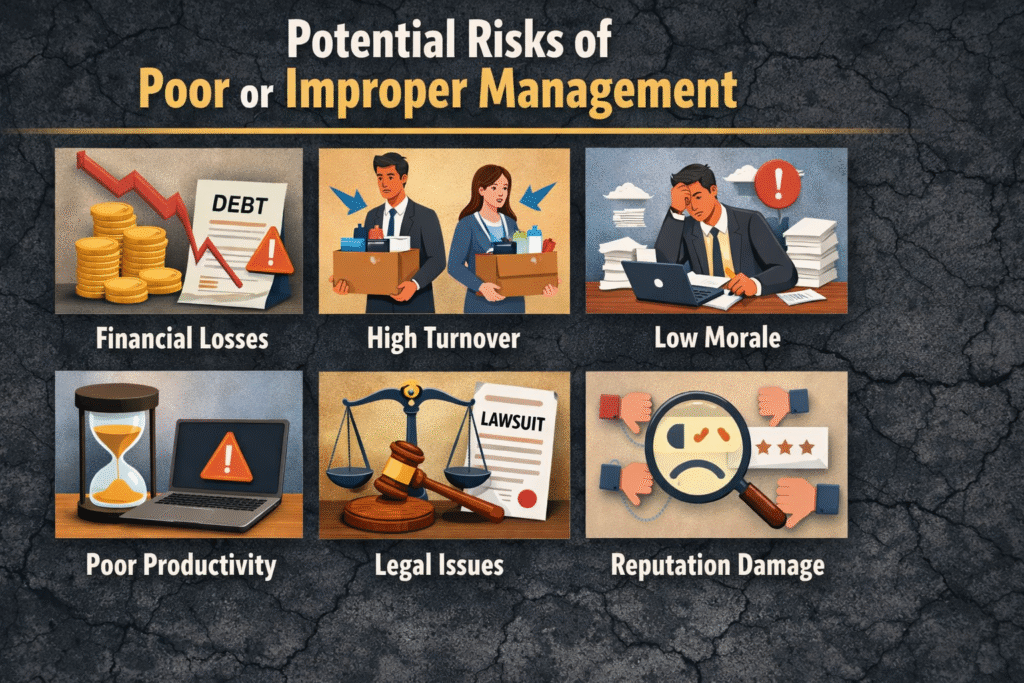
Ignoring stress may lead to substance abuse, emotional withdrawal, or unhealthy coping habits [14].
Over-Reliance On Medication
While medication can help, long-term dependence without lifestyle changes may cause side effects [15].
Misinformation And Unverified Methods
Unscientific stress remedies may worsen anxiety or delay proper treatment [16].
Scientific Evidence Supporting Stress Management
Cognitive Behavioral Therapy (CBT)
CBT is one of the most effective treatments for anxiety disorders, supported by extensive clinical research [17].
Mindfulness And Meditation
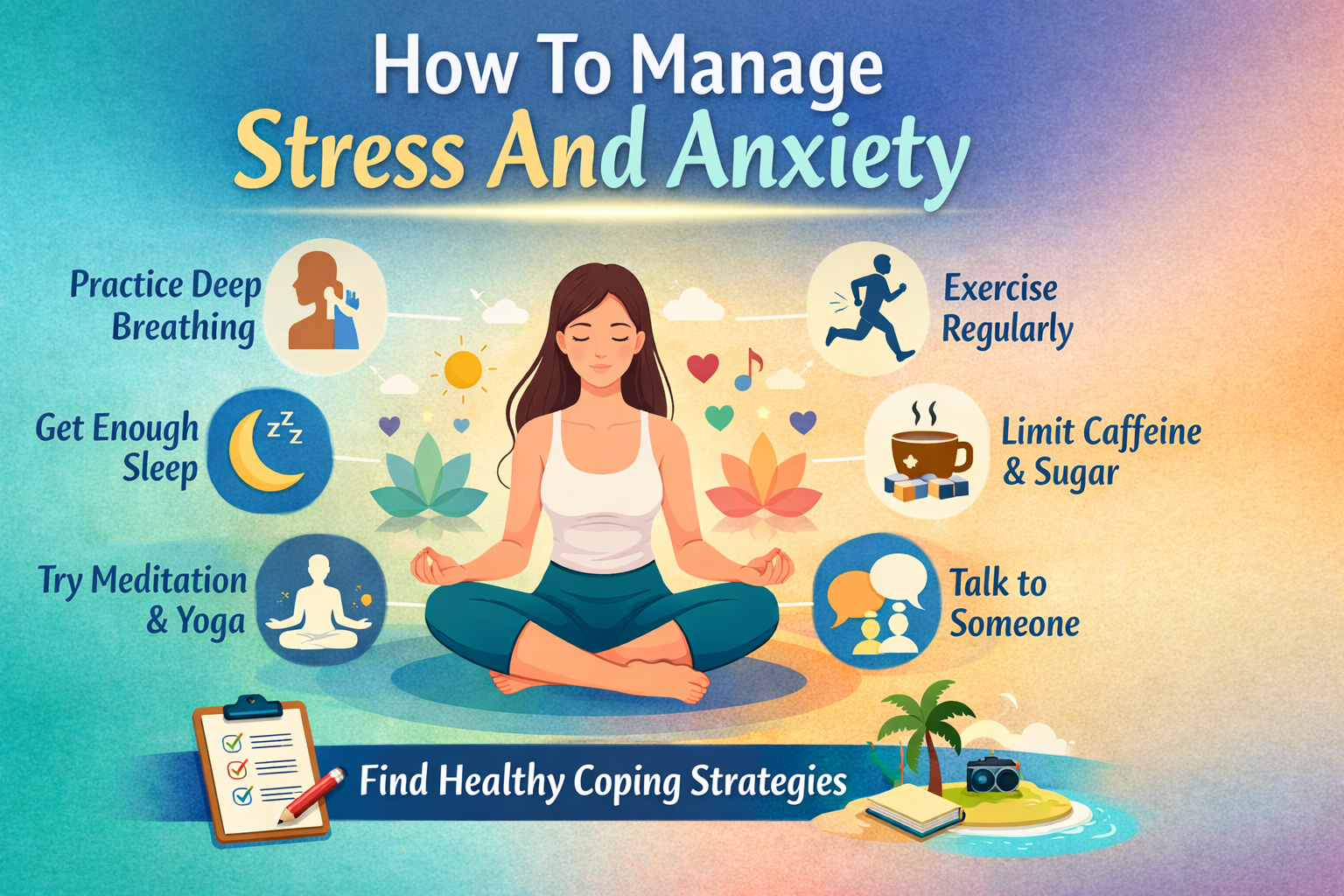
Mindfulness-based stress reduction significantly lowers anxiety and cortisol levels [18].
Physical Activity
Regular exercise reduces anxiety symptoms by regulating stress hormones and improving mood [19].
Breathing And Relaxation Techniques
Controlled breathing activates the parasympathetic nervous system, promoting relaxation [20].
Benefits Vs Risks Comparison
| Aspect | Benefits | Risks |
|---|---|---|
| Lifestyle changes | Sustainable improvement | Requires consistency |
| Therapy | Long-term anxiety reduction | Time and cost |
| Medication | Rapid symptom relief | Side effects, dependency |
| Self-help methods | Accessibility | Ineffectiveness if misused |
Safe Guidelines To Manage Stress And Anxiety
Establish Healthy Routines
Consistent sleep, nutrition, and physical activity stabilize mood and stress responses [21].
Practice Mindfulness Daily
Even 10–15 minutes of mindfulness can reduce anxiety symptoms [22].
Limit Stimulants
Excess caffeine and sugar increase anxiety and disrupt sleep [23].
Seek Professional Help When Needed
Early intervention improves long-term outcomes for anxiety disorders [24].
Who Should Avoid Self-Management Only
Individuals With Severe Anxiety Disorders
Severe or persistent symptoms require professional evaluation and treatment [25].
People With Co-Existing Mental Health Conditions
Anxiety combined with depression or trauma needs specialized care [26].
Those Experiencing Physical Symptoms
Chest pain, dizziness, or severe insomnia should be medically assessed [27].
Effective Alternatives And Complementary Approaches
Yoga And Tai Chi
These practices combine movement and mindfulness to reduce stress [28].
Social Support
Strong social connections buffer stress and reduce anxiety risk [29].
Professional Counseling
Licensed therapists provide personalized strategies and emotional support [30].
Expert Opinions On Stress And Anxiety Management
Mental health experts agree that combining lifestyle changes, therapy, and self-awareness is the most effective long-term approach. According to psychologists, stress management is not about eliminating stress but building resilience and healthy responses [17][18].
Key Takeaways
- Stress and anxiety affect both mental and physical health
- Chronic stress increases disease risk
- Evidence-based techniques are highly effective
- Consistency is essential for long-term results
- Professional help should not be delayed when needed
Frequently Asked Questions
Can stress and anxiety be managed without medication?
Yes, many individuals successfully manage symptoms through therapy, lifestyle changes, and mindfulness practices [19].
How long does it take to see results?
Some techniques show benefits within weeks, while others require months of consistency [21].
Is anxiety a normal part of life?
Occasional anxiety is normal, but persistent anxiety requires attention [3].
Conclusion
Learning how to manage stress and anxiety is a critical skill in today’s fast-paced world. Scientific evidence clearly shows that unmanaged stress harms both mental and physical health, while effective stress management improves resilience, emotional balance, and overall well-being. By combining proven strategies such as mindfulness, exercise, structured routines, and professional guidance, individuals can regain control and live healthier, more fulfilling lives.
Managing stress is not a one-time fix but a lifelong practice. When approached correctly, it becomes a powerful tool for protecting mental health and enhancing quality of life.
References
- American Psychological Association
- McEwen BS, Annals of the New York Academy of Sciences
- National Institute of Mental Health
- Sapolsky RM, Endocrine Reviews
- Harvard Medical School
- Mayo Clinic
- World Health Organization
- British Heart Foundation
- National Institutes of Health
- Gross JJ, Psychological Science
- Sleep Research Society
- Diamond DM, Neuroscience
- Segerstrom SC, Psychological Bulletin
- National Institute on Drug Abuse
- FDA Drug Safety Communications
- Cochrane Database of Systematic Reviews
- Beck AT, Cognitive Therapy Research
- Kabat-Zinn J, Clinical Psychology Review
- Harvard Health Publishing
- Brown RP, Journal of Alternative and Complementary Medicine
- CDC
- JAMA Internal Medicine
- Anxiety Canada
- NHS
- DSM-5
- National Alliance on Mental Illness
- Cleveland Clinic
- National Center for Complementary and Integrative Health
- Holt-Lunstad J, PLOS Medicine
- American Psychiatric Association
2 thoughts on “How To Manage Stress And Anxiety Naturally: Proven Techniques”