
Dr Ahsan Tariq , MBBS, MRCP (UK ) ongoing, IMT ( Internal Medicine Trainee, NHS England), GMC : 7805049
Dr Ahsan Tariq is a UK-registered medical doctor with a background in internal medicine and a focus on evidence-based research in cognitive health and nootropics. He critically reviews scientific studies, supplements, and ingredients to help readers make informed, safe, and effective choices for brain health and performance.
Introduction: How To Manage Cholesterol Naturally
Cholesterol is often misunderstood. While it is commonly labeled as “bad,” cholesterol actually plays a vital role in hormone production, cell structure, and digestion. The real problem begins when cholesterol levels become unbalanced, increasing the risk of heart disease, stroke, and metabolic disorders. According to global health data, high cholesterol is one of the leading contributors to cardiovascular diseases worldwide [1].
Learning how to manage cholesterol naturally has become a priority for people seeking long-term health without relying solely on medications. Natural management focuses on sustainable lifestyle changes, dietary improvements, and awareness of both benefits and potential risks.
This guide explains cholesterol clearly, explores natural methods backed by science, and highlights where caution is necessary.
Understanding Cholesterol: The Basics
Cholesterol is a waxy, fat-like substance found in every cell of the body. It is produced by the liver and also obtained from certain foods. According to the National Institutes of Health, cholesterol itself is not harmful unless it accumulates excessively in the bloodstream [2].
Types Of Cholesterol
Not all cholesterol is the same. Understanding the difference is essential before learning how to manage cholesterol naturally.
LDL Cholesterol (Low-Density Lipoprotein)
LDL is often called “bad cholesterol” because it contributes to plaque buildup in arteries. A study published in The Lancet confirmed that elevated LDL levels significantly increase cardiovascular risk [3].
HDL Cholesterol (High-Density Lipoprotein)
HDL is known as “good cholesterol” because it helps transport excess cholesterol back to the liver for removal. Higher HDL levels are associated with reduced heart disease risk [4].
Triglycerides
Triglycerides are another type of fat in the blood. High triglyceride levels, combined with high LDL, can be especially dangerous [5].
Why High Cholesterol Is Dangerous
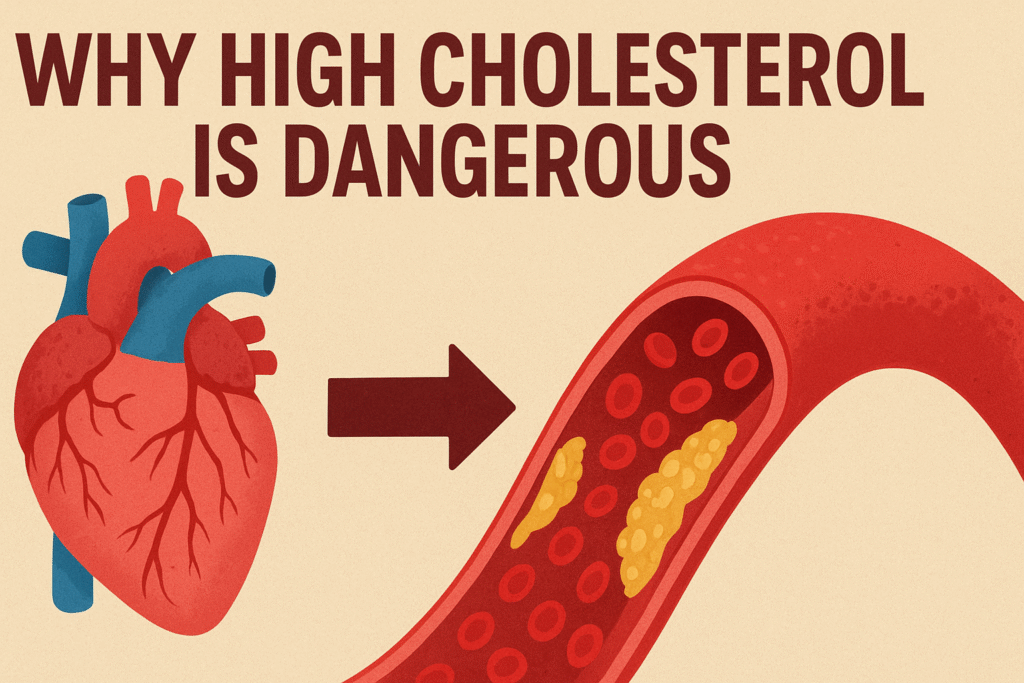
High cholesterol does not usually cause symptoms, which is why it is often referred to as a “silent condition.” According to the World Health Organization, untreated high cholesterol contributes to over 2.6 million deaths annually [6].
Health Risks Linked To High Cholesterol
- Coronary artery disease
- Heart attack
- Stroke
- Peripheral artery disease
- Type 2 diabetes complications
A long-term study showed that people with unmanaged cholesterol were twice as likely to develop heart disease compared to those with controlled levels [7].
Causes Of High Cholesterol
Understanding the root causes helps in choosing the right natural management strategy.
Dietary Factors
Diets high in saturated fats, trans fats, and refined sugars raise LDL cholesterol levels significantly [8].
Sedentary Lifestyle
Physical inactivity reduces HDL cholesterol and increases LDL levels [9].
Genetic Influence
Some individuals inherit conditions like familial hypercholesterolemia, making cholesterol management more challenging [10].
Hormonal And Age Factors
Cholesterol levels naturally rise with age, and hormonal changes can affect lipid balance [11].
How To Manage Cholesterol Naturally
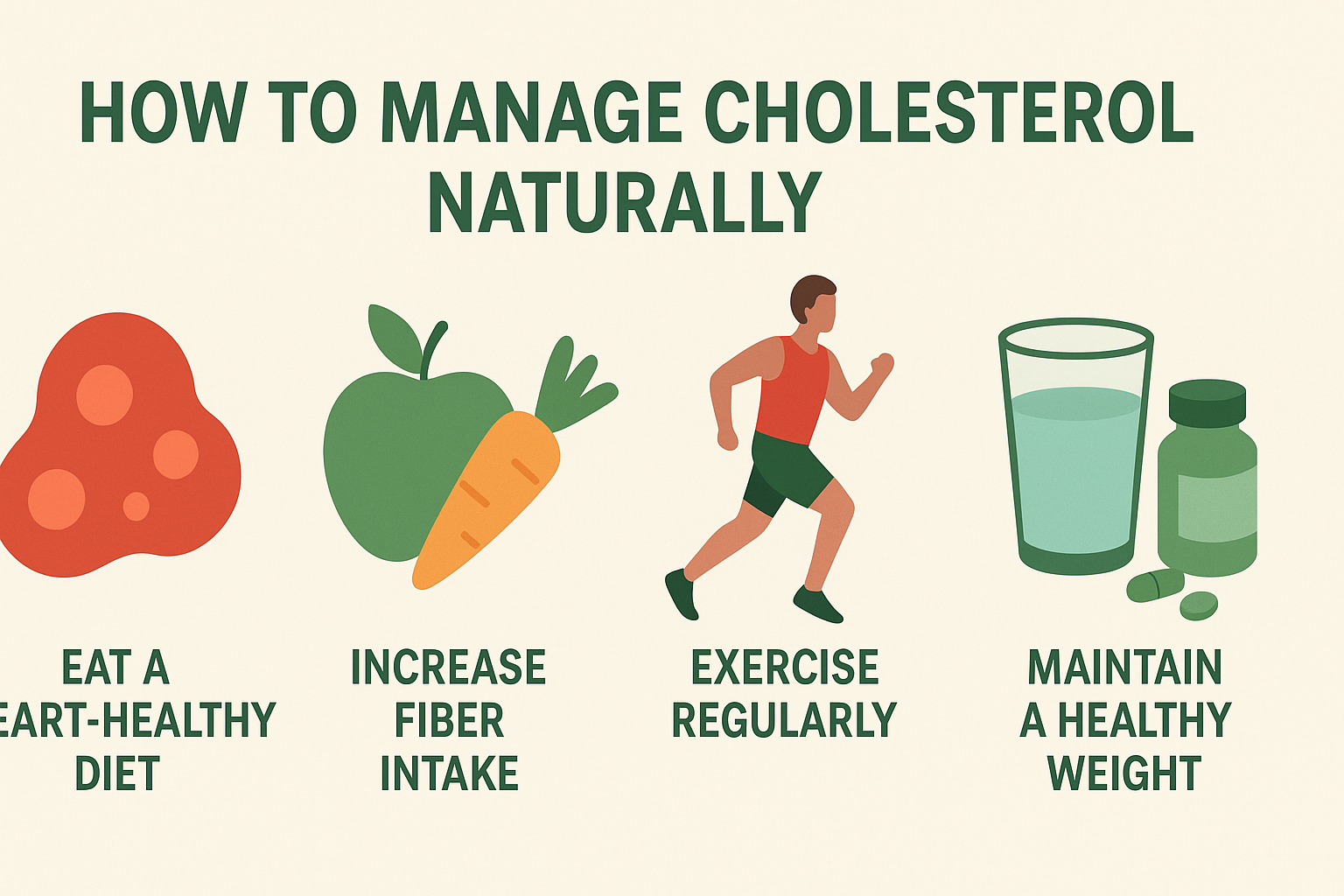
Natural cholesterol management focuses on consistency rather than quick fixes. According to preventive cardiology research, lifestyle-based approaches can reduce LDL cholesterol by up to 30% [12].
Dietary Strategies For Natural Cholesterol Control
Increase Soluble Fiber Intake
Soluble fiber binds cholesterol in the digestive system and helps remove it from the body. Foods rich in soluble fiber include oats, lentils, apples, and flaxseeds [13].
Choose Healthy Fats
Replacing saturated fats with unsaturated fats can significantly improve cholesterol levels. Olive oil, nuts, and fatty fish are excellent choices [14].
Limit Trans Fats And Processed Foods
Trans fats increase LDL while lowering HDL cholesterol. Many health authorities recommend eliminating them entirely [15].
Cholesterol-Friendly Foods Table
| Food Category | Examples | Effect On Cholesterol |
|---|---|---|
| Soluble Fiber | Oats, Beans, Apples | Lowers LDL |
| Healthy Fats | Olive Oil, Avocados | Improves HDL |
| Omega-3s | Salmon, Chia Seeds | Reduces Triglycerides |
| Plant Sterols | Seeds, Whole Grains | Blocks Absorption |
According to clinical nutrition studies, diets rich in these foods show measurable cholesterol improvements within 6–8 weeks [16].
Physical Activity And Cholesterol Balance
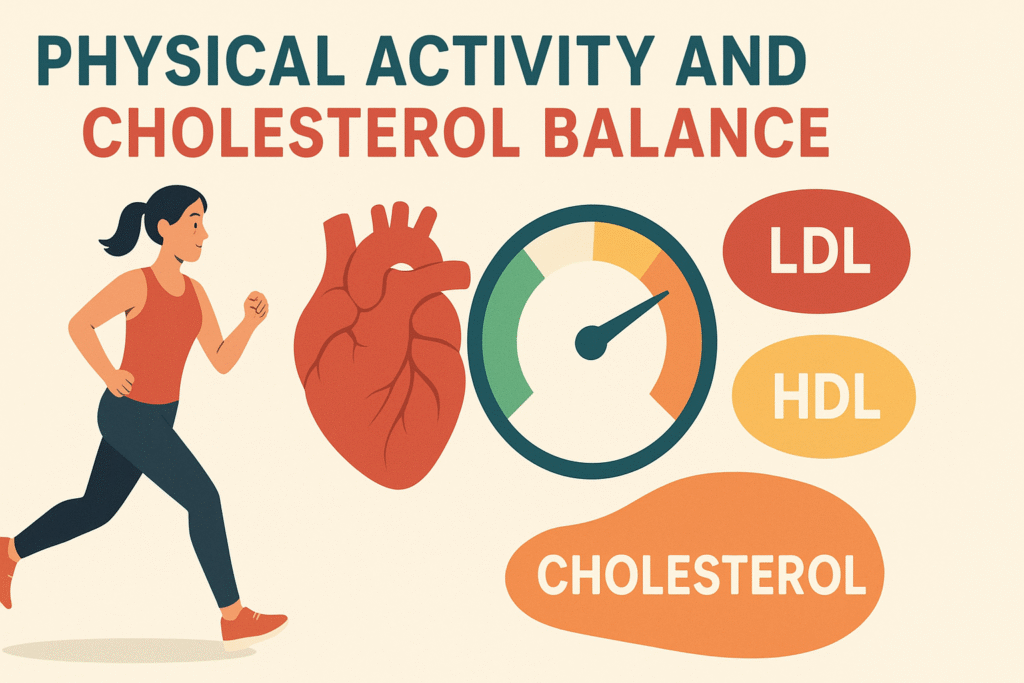
Exercise is one of the most effective natural tools for cholesterol control.
Aerobic Exercise Benefits
Walking, cycling, and swimming help raise HDL and lower LDL levels. A meta-analysis found that regular aerobic exercise increased HDL by up to 10% [17].
Strength Training Support
Resistance training improves lipid metabolism and insulin sensitivity, which indirectly benefits cholesterol levels [18].
Weight Management And Cholesterol
Excess body weight directly impacts cholesterol production. Even a 5–10% weight reduction can lead to significant LDL reductions [19].
Sustainable Weight Loss Matters
Crash diets may temporarily lower cholesterol but often lead to rebound effects. Long-term consistency produces stable improvements [20].
Stress, Sleep, And Cholesterol
Impact Of Chronic Stress
Chronic stress raises cortisol levels, which can increase LDL cholesterol production [21].
Sleep Quality And Lipid Levels
Poor sleep is linked to higher triglycerides and lower HDL levels. Studies show that 7–9 hours of sleep supports healthy cholesterol metabolism [22].
Natural Supplements: Benefits And Risks
Supplements are often marketed as cholesterol cures, but caution is necessary.
Common Natural Supplements
- Plant sterols
- Psyllium husk
- Omega-3 fatty acids
- Red yeast rice
According to clinical reviews, some supplements may lower cholesterol modestly but are not substitutes for lifestyle changes [23].
Potential Risks Of Supplements
Red yeast rice contains compounds similar to statins and may cause side effects or liver stress if misused [24].
Powerful Benefits Of Managing Cholesterol Naturally
Natural management offers more than just improved lab numbers.
Long-Term Cardiovascular Protection
Lifestyle changes reduce inflammation, improve blood vessel function, and lower heart disease risk [25].
Reduced Medication Dependence
Many individuals can delay or reduce medication needs by maintaining healthy cholesterol naturally [26].
Overall Metabolic Health
Natural cholesterol control improves blood sugar regulation, energy levels, and digestive health [27].
Real Risks And Limitations Of Natural Methods
While natural strategies are effective, they are not always sufficient.
When Natural Methods May Not Be Enough
Individuals with genetic conditions or extremely high cholesterol may still require medical treatment [28].
Delayed Results Require Patience
Natural cholesterol reduction is gradual and may take months to show measurable improvements [29].
Monitoring Progress Safely
Regular blood tests are essential to track cholesterol levels and adjust strategies as needed. According to preventive care guidelines, lipid panels should be checked every 6–12 months [30].
Final Thoughts
Learning how to manage cholesterol naturally empowers individuals to take control of their health through informed, sustainable choices. While the benefits are substantial, understanding the risks and limitations ensures safe and realistic expectations. A balanced approach combining diet, exercise, stress management, and medical guidance offers the most reliable path to long-term heart health.
References
- World Health Organization – Cholesterol And Cardiovascular Risk
- National Institutes Of Health – Cholesterol Overview
- The Lancet – LDL Cholesterol And Heart Disease
- American Heart Association – HDL Function
- Journal Of Lipid Research – Triglycerides And Risk
- WHO Global Health Estimates
- Framingham Heart Study
- Nutrition Reviews – Saturated Fat Impact
- Sports Medicine Journal – Exercise And Lipids
- Genetics In Medicine – Familial Hypercholesterolemia
- Endocrine Reviews – Hormones And Cholesterol
- Preventive Cardiology Reports
- Journal Of Nutrition – Soluble Fiber Benefits
- Mediterranean Diet Studies
- FDA – Trans Fat Guidelines
- Clinical Nutrition Journal
- Meta-Analysis Of Exercise Studies
- Strength Training And Metabolism Research
- Obesity Reviews – Weight Loss Effects
- Long-Term Diet Studies
- Stress Biology Journal
- Sleep Medicine Reviews
- Evidence-Based Supplement Reviews
- Liver Toxicity Reports
- Cardiology Research And Practice
- Preventive Medicine Studies
- Metabolic Health Journals
- Clinical Lipidology Reviews
- Lifestyle Intervention Trials
- Preventive Healthcare Guidelines