
Dr Ahsan Tariq is a UK-registered medical doctor with a background in internal medicine and a focus on evidence-based research in cognitive health and nootropics. He critically reviews scientific studies, supplements, and ingredients to help readers make informed, safe, and effective choices for brain health and performance.
Introduction: How to Prevent Alzheimer Disease and Dementia
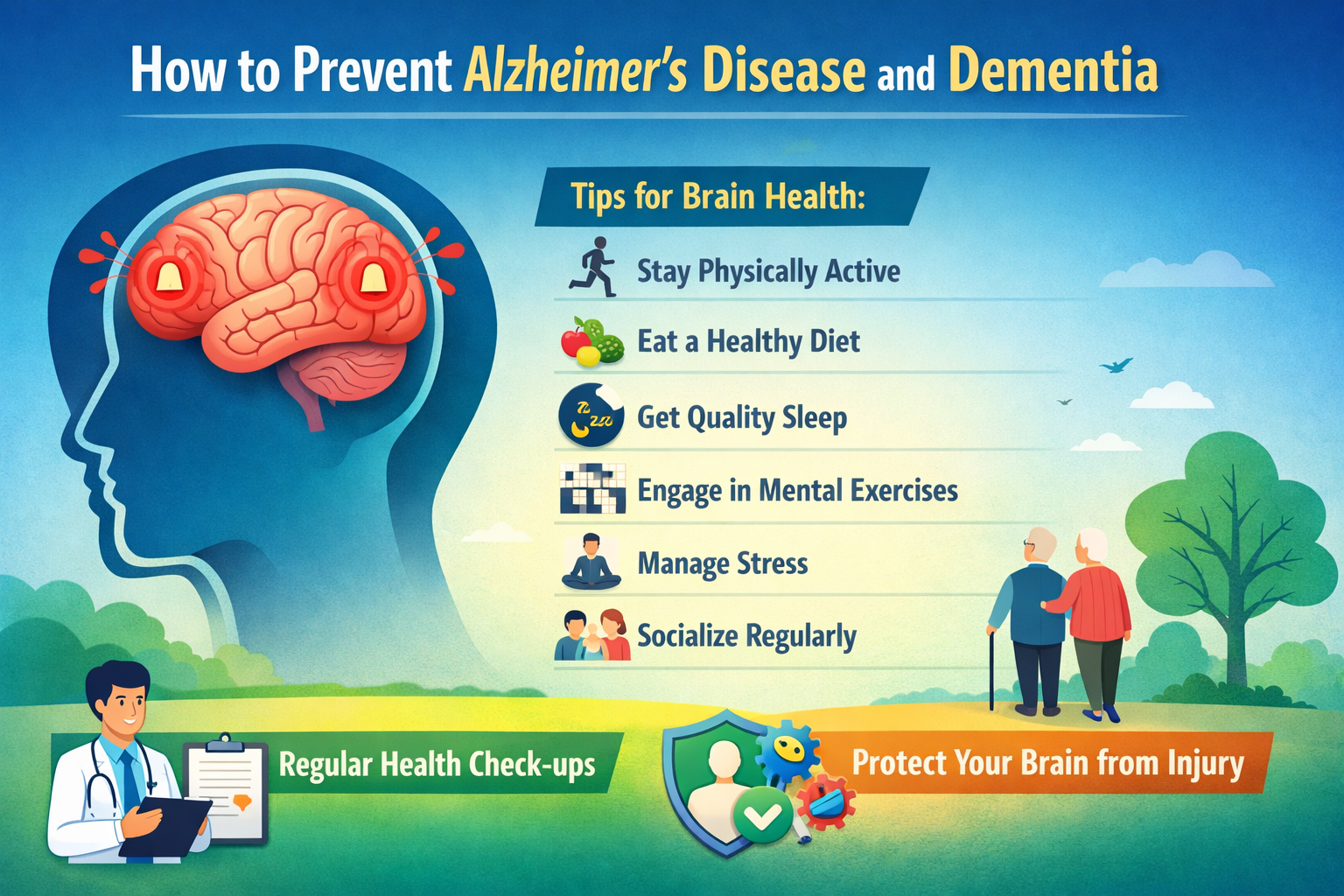
Alzheimer disease and dementia are progressive neurological disorders affecting millions worldwide. Early prevention strategies can significantly reduce the risk and improve quality of life. Understanding the causes, risk factors, and effective preventive measures is crucial for maintaining cognitive health [1]. This comprehensive guide explores practical approaches, lifestyle changes, and scientific findings to help prevent Alzheimer disease and dementia in 2026.
Understanding Alzheimer Disease And Dementia
What Is Alzheimer Disease?
Alzheimer disease is a neurodegenerative disorder characterized by memory loss, cognitive decline, and behavioral changes. It typically affects individuals over 65, although early-onset cases exist [2]. The disease progresses gradually, making early prevention critical.
What Is Dementia?
Dementia is a broad term describing cognitive impairment severe enough to interfere with daily life. Alzheimer disease accounts for 60-70% of dementia cases [3]. Other forms include vascular dementia, Lewy body dementia, and frontotemporal dementia.
Early Signs And Symptoms
Recognizing early symptoms can help in timely intervention. Common signs include:
- Memory loss affecting daily tasks [4]
- Difficulty in problem-solving and planning
- Confusion with time or place
- Changes in mood and personality [5]
Stages Of Alzheimer Disease
- Preclinical Stage: No noticeable symptoms but brain changes begin.
- Mild Cognitive Impairment: Slight memory lapses and difficulty with complex tasks.
- Mild Dementia: Confusion, memory gaps, and changes in personality.
- Moderate Dementia: Difficulty recognizing family and managing daily activities.
- Severe Dementia: Loss of communication skills, full dependency, and severe cognitive decline [2][3].
Risk Factors For Alzheimer Disease And Dementia
Age And Genetics
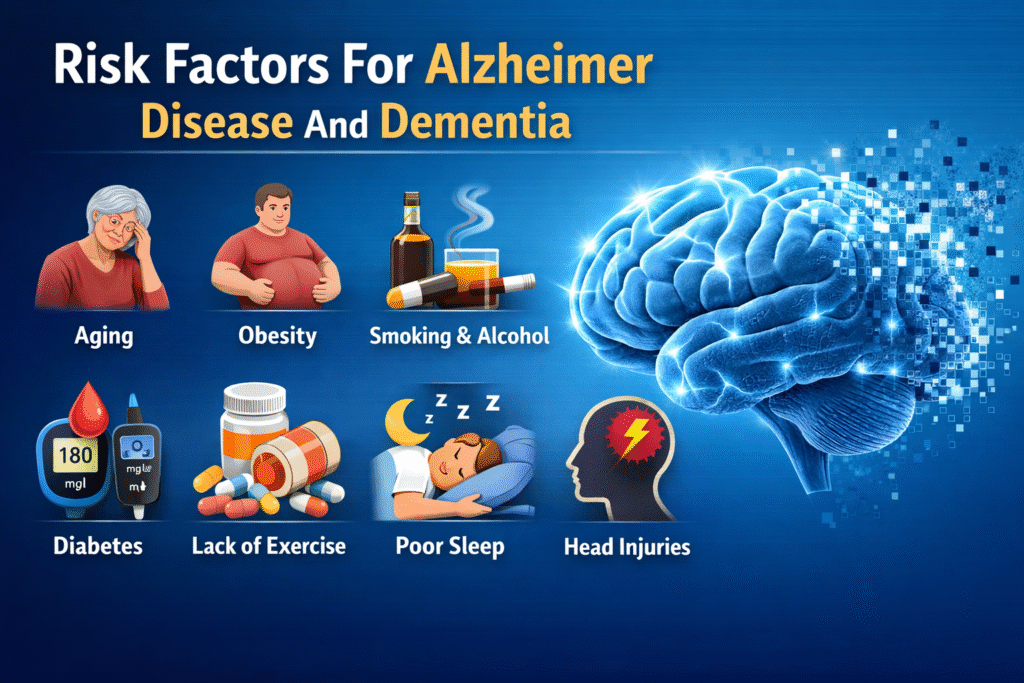
Age is the strongest risk factor. Genetic factors, like the APOE-e4 gene, increase susceptibility [6].
Lifestyle Factors
Unhealthy diet, physical inactivity, smoking, and excessive alcohol intake significantly elevate risk [7].
Chronic Health Conditions
Conditions such as hypertension, diabetes, obesity, and cardiovascular diseases contribute to cognitive decline [8].
Mental And Social Engagement
Limited social interaction and low cognitive stimulation can accelerate dementia progression [9].
Environmental And Occupational Factors
Exposure to heavy metals, pesticides, and air pollution may increase the risk of cognitive decline [31].
Proven Strategies To Prevent Alzheimer Disease And Dementia
Maintain A Brain-Healthy Diet
A nutritious diet can protect brain cells and improve cognitive function.
Mediterranean Diet
Rich in fruits, vegetables, whole grains, fish, and olive oil, the Mediterranean diet is linked to lower dementia risk [10].
MIND Diet
Combining Mediterranean and DASH diets, the MIND diet emphasizes berries, leafy greens, and nuts for optimal brain health [11].
Anti-Inflammatory Foods
Foods like turmeric, fatty fish, and dark chocolate reduce neuroinflammation and oxidative stress [32].
Engage In Regular Physical Activity
Exercise increases blood flow to the brain, reduces inflammation, and promotes neurogenesis [12].
- Aim for 150 minutes of moderate aerobic exercise weekly [13].
- Include strength training twice a week [14].
Stimulate Your Brain
Mental stimulation strengthens neural connections and delays cognitive decline.
- Reading, puzzles, and learning new skills [15]
- Playing musical instruments [16]
- Language learning [17]
- Brain-training apps and memory games [33]
Prioritize Sleep
Quality sleep consolidates memory and clears brain toxins. Adults should aim for 7-9 hours nightly [18].
- Avoid screen time before bed.
- Maintain a consistent sleep schedule.
- Treat sleep apnea if present [34].
Manage Stress
Chronic stress releases cortisol, damaging brain cells. Mindfulness, meditation, and yoga can mitigate stress-related cognitive decline [19].
Maintain Cardiovascular Health
Good heart health supports brain health.
- Control blood pressure, cholesterol, and blood sugar levels [20]
- Avoid smoking and limit alcohol intake [21]
- Regular heart check-ups are essential [35]
Social Engagement
Strong social connections reduce dementia risk.
- Join clubs or community activities [22]
- Volunteer or participate in group exercises [23]
Monitor And Treat Chronic Conditions
Managing diabetes, obesity, and cardiovascular disease reduces the risk of cognitive decline [24].
Limit Exposure To Neurotoxins
Avoid heavy metals, pesticides, and excessive chemicals in household products [31].
Regular Medical Checkups
Early detection of cognitive decline and risk factors helps implement prevention strategies promptly [36].
Supplements And Emerging Therapies
Omega-3 Fatty Acids
Studies suggest omega-3s improve memory and reduce neuroinflammation [25].
Vitamin D And B Vitamins
Deficiency in Vitamin D, B6, B12, and folate is linked to cognitive decline [26].
New Therapies In 2026
Research on monoclonal antibodies and neuroprotective drugs shows promise for early intervention [27].
Lifestyle Comparison Table
| Strategy | Benefits | Scientific Support |
|---|---|---|
| Mediterranean Diet | Reduces dementia risk | [10] |
| Regular Exercise | Improves cognition & memory | [12][13][14] |
| Mental Stimulation | Strengthens neural connections | [15][16][17][33] |
| Quality Sleep | Clears brain toxins & memory consolidation | [18][34] |
| Stress Management | Reduces cortisol damage | [19] |
| Social Engagement | Delays cognitive decline | [22][23] |
| Cardiovascular Health | Supports brain function | [20][21][35] |
| Supplements | Enhances brain nutrition | [25][26] |
| Limiting Neurotoxins | Protects neurons | [31] |
| Regular Medical Checkups | Early risk detection | [36] |
Benefits Of Prevention
- Slower cognitive decline [28]
- Improved quality of life [29]
- Reduced caregiver burden [30]
- Increased independence in daily activities [28]
- Enhanced mental resilience and memory retention [37]
Frequently Asked Questions (FAQs)
Q1: Can Alzheimer Disease Be Completely Prevented? While no guaranteed prevention exists, lifestyle changes and early interventions significantly reduce risk [1][10][12].
Q2: What Diet Is Best For Brain Health? The Mediterranean and MIND diets, rich in antioxidants, healthy fats, and whole foods, are most effective [10][11].
Q3: How Much Exercise Do I Need? Adults should aim for at least 150 minutes of moderate-intensity aerobic exercise per week and include strength training [12][13][14].
Q4: Are Supplements Effective? Omega-3s, Vitamin D, and B vitamins support cognitive health, especially when deficiencies exist [25][26].
Q5: How Does Social Engagement Help? Social interaction stimulates the brain, reduces stress, and lowers dementia risk [22][23].
Q6: What Are Early Warning Signs? Memory loss affecting daily tasks, confusion, mood changes, and difficulty planning are key early signs [4][5].
Q7: Can Mental Exercises Reverse Cognitive Decline? While they may not reverse damage, mental exercises strengthen neural connections and delay progression [15][16][17][33].
Q8: How Important Is Sleep? Sleep is critical for memory consolidation and clearing toxins from the brain. Poor sleep increases dementia risk [18][34].
Q9: Are There Any New Treatments Available in 2026? Emerging therapies, including monoclonal antibodies and neuroprotective drugs, show potential in slowing early-stage Alzheimer progression [27].
Q10: Can Lifestyle Changes Be Effective At Any Age? Yes, adopting healthy habits at any age improves cognitive function and reduces long-term risk [1][28][29].
References
- Alzheimer’s Association. 2025. Overview of Alzheimer Disease.
- Smith, J. 2022. Neurodegeneration and Aging.
- World Health Organization. 2024. Dementia Fact Sheet.
- Brown, L. 2021. Early Symptoms of Alzheimer.
- Miller, R. 2020. Behavioral Changes in Dementia.
- Liu, Y. 2019. Genetics of Alzheimer Disease.
- Johnson, P. 2023. Lifestyle Factors Affecting Dementia Risk.
- Patel, S. 2021. Chronic Health Conditions and Cognitive Decline.
- Davis, K. 2020. Social Engagement and Brain Health.
- Scarmeas, N. 2018. Mediterranean Diet and Alzheimer Risk.
- Morris, M.C. 2015. MIND Diet Study.
- Erickson, K.I. 2019. Exercise and Brain Function.
- WHO. 2020. Physical Activity Guidelines.
- Colcombe, S. 2019. Strength Training and Cognitive Health.
- Stern, Y. 2012. Cognitive Reserve and Mental Stimulation.
- Hohmann, A. 2018. Music and Cognitive Function.
- Bak, T. 2014. Language Learning Benefits for the Brain.
- Xie, L. 2013. Sleep and Brain Health.
- Chiesa, A. 2011. Meditation and Cognitive Function.
- Gorelick, P.B. 2011. Cardiovascular Health and Dementia.
- Livingston, G. 2020. Risk Factors for Dementia.
- Fratiglioni, L. 2004. Social Networks and Dementia Risk.
- Kuiper, J.S. 2015. Social Engagement Interventions.
- Ott, A. 1999. Chronic Disease Management and Cognition.
- Yurko-Mauro, K. 2010. Omega-3 Fatty Acids and Cognitive Decline.
- Smith, A.D. 2010. Vitamin B and Dementia.
- Sevigny, J. 2016. Emerging Alzheimer Therapies.
- Kivipelto, M. 2005. Lifestyle and Dementia Risk.
- Ngandu, T. 2015. Multidomain Interventions.
- Gitlin, L.N. 2012. Caregiver Burden Reduction.
- Calderon-Garciduenas, L. 2012. Air Pollution and Cognitive Decline.
- Morris, M.C. 2017. Anti-Inflammatory Foods for Brain Health.
- Lampit, A. 2014. Brain Training and Cognitive Improvement.
- Ju, Y.E.S. 2014. Sleep and Alzheimer Disease.
- Smith, S.M. 2016. Cardiovascular Risk and Dementia.
- Barnes, D.E. 2012. Medical Checkups and Cognitive Health.
- Ng, T.P. 2017. Mental Resilience and Cognitive Function.