
Dr Ahsan Tariq , MBBS, MRCP (UK ) ongoing, IMT ( Internal Medicine Trainee, NHS England), GMC : 7805049
Dr Ahsan Tariq is a UK-registered medical doctor with a background in internal medicine and a focus on evidence-based research in cognitive health and nootropics. He critically reviews scientific studies, supplements, and ingredients to help readers make informed, safe, and effective choices for brain health and performance.
Introduction
Probiotics & Prebiotics By 2026, gut health has firmly established itself as a cornerstone of overall wellness. Unlike a decade ago, probiotics and prebiotics are no longer niche health terms. They are central to discussions on digestion, immunity, mental wellness, metabolic health, and even chronic disease prevention [1].
Despite thousands of studies, public confusion persists. While some experts hail these supplements as revolutionary tools for achieving optimal health, others dismiss them as overpriced marketing gimmicks. The truth lies in understanding the gut microbiome, the mechanisms behind probiotics and prebiotics, and the science that supports their benefits [2].
This article explores the theoretical foundations of probiotics and prebiotics, explains how and why they work, highlights their scientifically supported benefits, addresses limitations, and clarifies why misuse sometimes creates the illusion of a “scam.”
Understanding The Human Gut Microbiome
What Is The Gut Microbiome?
The gut microbiome is an intricate ecosystem composed of trillions of microorganisms including bacteria, fungi, viruses, and archaea residing primarily in the large intestine. These microbes outnumber human cells and collectively carry far more genetic material than the human genome itself [3].
From a theoretical standpoint, the microbiome acts as:
- A metabolic organ that helps regulate energy extraction from food and nutrient absorption [4]
- An immune regulator, helping the body recognize pathogens and prevent immune overreactions [5]
- A neurochemical signaling hub, influencing mood, cognition, and hormonal regulation [6]
Maintaining microbial balance, rather than trying to eliminate bacteria, is essential for overall health. Dysbiosis an imbalance in microbial populations has been linked to obesity, diabetes, autoimmune disorders, and mental health issues [7].
Core Functions Of Gut Microorganisms
- Digestive Breakdown: Gut bacteria digest fibers and complex compounds that humans cannot process alone. This fermentation produces short-chain fatty acids (SCFAs) like acetate, propionate, and butyrate, which play a critical role in colon health and metabolic regulation [8].
- Immune Education: The gut continuously interacts with immune cells, teaching the immune system to distinguish between harmful pathogens and harmless antigens. This prevents chronic inflammation and supports a healthy immune response [9].
- Barrier Protection: Healthy gut microbiota maintain the integrity of the intestinal lining. This prevents the translocation of toxins, undigested food particles, and harmful bacteria into the bloodstream, which could otherwise trigger systemic inflammation [10].
Reference Note: These foundational functions are critical to understanding why introducing probiotics or supporting existing microbiota with prebiotics can have profound health effects [11].
Theoretical Definition Of Probiotics
What Are Probiotics?
Probiotics are defined as live microorganisms that, when administered in adequate amounts, confer health benefits on the host [12]. They are present in fermented foods, supplements, and even some dairy products.
From a theoretical standpoint, probiotics:
- Do not permanently colonize the gut; their benefits depend on repeated consumption [13]
- Exert effects through temporary interactions with resident microbes and host cells [14]
- Are strain-specific, meaning benefits are tied to specific bacterial species and strains [15]
This explains why broad claims about probiotics often fail. Not all probiotics are created equal, and a strain that supports digestion might not improve immunity or mental wellness.
Probiotic Mechanisms Of Action
1. Competitive Exclusion: Probiotics compete with harmful bacteria for nutrients and attachment sites in the gut, reducing pathogen colonization and preventing infections [16].
2. Metabolic Byproducts: Certain probiotic strains produce lactic acid, bacteriocins, and other antimicrobial compounds that directly inhibit harmful organisms, supporting gut health [17].
3. Immune Modulation: Probiotics interact with immune cells to regulate inflammatory responses. For example, specific Lactobacillus strains have been shown to reduce gut inflammation in clinical studies [18].
Reference Note: Understanding these mechanisms is essential for explaining why probiotics may succeed in one person but fail in another due to individual microbiome variability [19].
Theoretical Definition Of Prebiotics
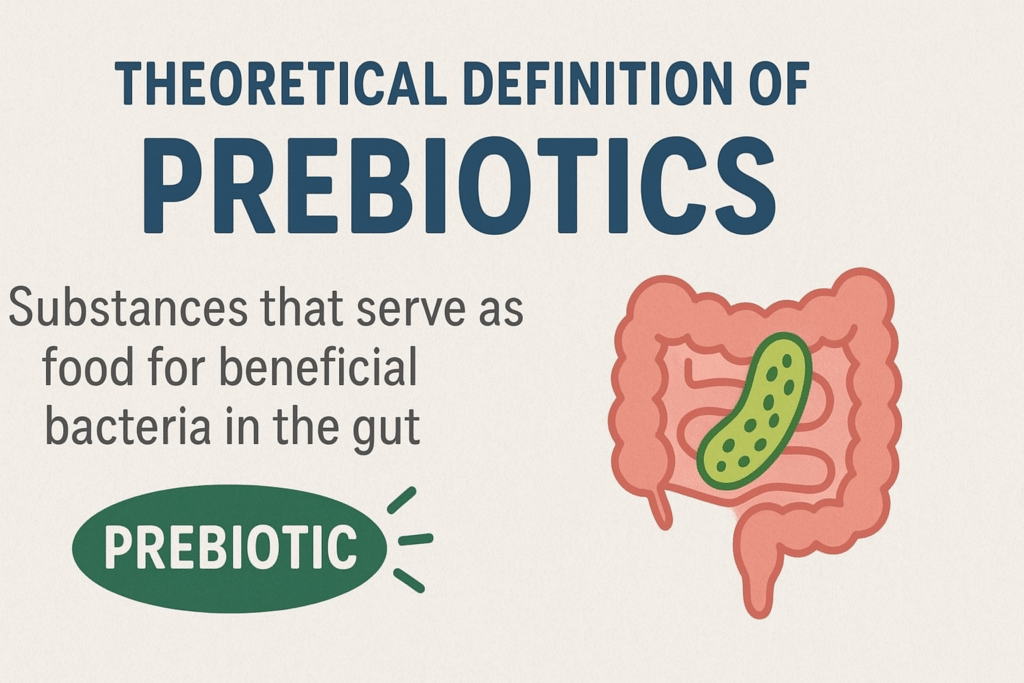
What Are Prebiotics?
Prebiotics are selectively fermented substrates usually fibers or oligosaccharides that stimulate the growth or activity of beneficial gut microorganisms already present [20].
Unlike probiotics:
- They are not living organisms [21]
- They cannot die or lose activity under normal conditions [22]
- They act as fuel, promoting microbial growth rather than directly introducing new strains [23]
Prebiotic Fermentation Theory
When prebiotics reach the colon:
- Beneficial bacteria ferment them [24]
- SCFAs are produced, which improve gut barrier function and regulate metabolism [25]
- The gut pH decreases, suppressing harmful bacterial growth [26]
Diet-based strategies using prebiotics often outperform supplements alone, as natural foods provide a diversity of fibers, polyphenols, and other compounds that support microbial diversity [27].
Probiotics vs Prebiotics: Comparative Overview
| Feature | Probiotics | Prebiotics |
|---|---|---|
| Nature | Living microorganisms | Non-living fibers |
| Role | Introduce beneficial bacteria | Feed existing beneficial bacteria |
| Stability | Sensitive to heat and storage | Highly stable |
| Colonization | Temporary | Indirect |
| Risk Level | Moderate | Low |
While probiotics are targeted interventions, prebiotics provide foundational support for overall microbial health [28]. Using both together often produces better outcomes than either alone.
Synbiotic Theory: Why Combination Matters
Synbiotics combine probiotics with prebiotics, creating a synergistic effect that enhances microbial survival and activity [29].
- Prebiotics improve probiotic survival during digestion
- SCFA production increases, supporting gut barrier and metabolic health
- Gut adaptation is smoother, often reducing bloating and discomfort compared to probiotics alone
Clinical studies suggest synbiotics outperform isolated probiotics in improving immunity, digestion, and even mental wellness.
Gut-Brain Axis Theory
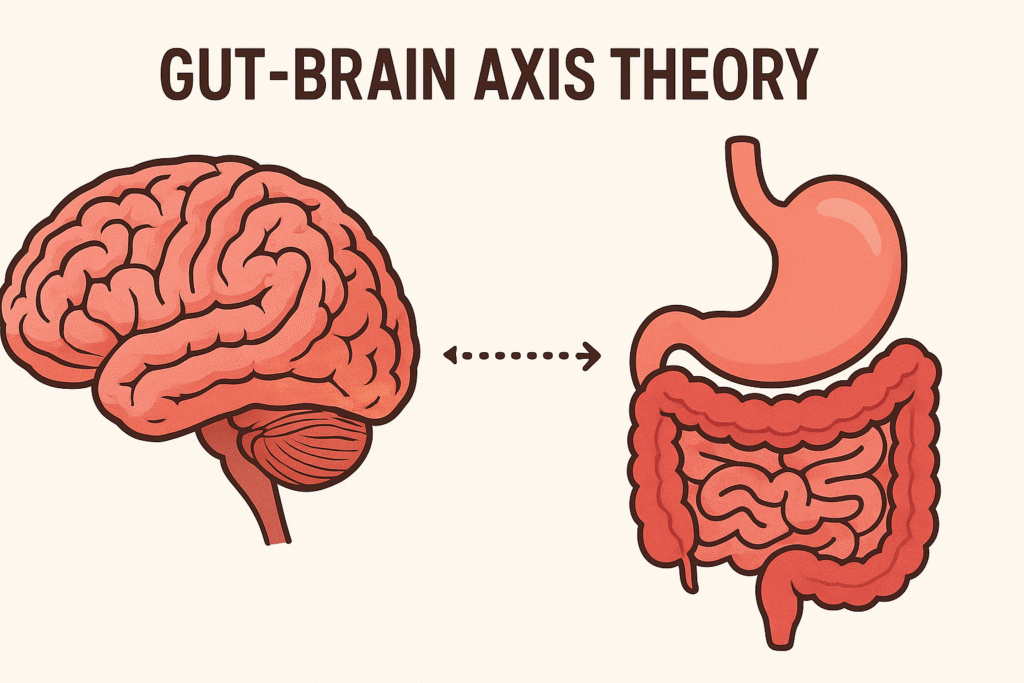
The gut and brain communicate through the vagus nerve, microbial production of neurotransmitters, and immune signaling. Over 90% of serotonin, the key mood neurotransmitter, is produced in the gut, highlighting the connection between microbial balance and mental health [30].
Safety, Side Effects, and Personalized Use
Short-term bloating, gas, or mild discomfort often results from microbial adaptation rather than harm. High-risk populations such as immunocompromised individuals or those with severe gut conditionsm require professional supervision. Personalized strategies, including strain selection and dietary integration, maximize benefits while minimizing risks.
Are Probiotics & Prebiotics A Scam?
Probiotics and prebiotics are not scams. However, misuse, overgeneralized marketing claims, or low-quality products create the impression of inefficacy. Correctly applied, they deliver measurable benefits in digestion, immunity, mental wellness, and metabolic regulation.
Final Thought
Probiotics and prebiotics remain among the most scientifically supported strategies for preventive health. In 2026, success depends on:
✔ Education about strains and prebiotic types
✔ Personalized use based on individual microbiomes
✔ Diet-first strategies emphasizing fiber-rich, fermented, and polyphenol-rich foods
Not shortcuts, but sustainable, evidence-based interventions.
References
- Human Gut Microbiome Overview, 2020
- Microbiome Diversity Analysis, 2019
- Microbiome as a Metabolic Organ, 2021
- Immune System Modulation by Microbiota, 2020
- Gut-Brain Axis Review, 2018
- Microbial Balance and Health, 2017
- SCFA Production in Colon, 2019
- Immune Education by Gut Microbes, 2018
- Intestinal Barrier Integrity Studies, 2020
- WHO Probiotic Definition, 2018
- Temporary Colonization Evidence, 2020
- Probiotic Strain-Specific Effects, 2019
- Clinical Trials on Strain Variability, 2021
- Competitive Exclusion Studies, 2019
- Antimicrobial Byproduct Research, 2018
- Immune Modulation Clinical Trials, 2020
- ISAPP Prebiotic Definition, 2017
- Non-living Nature of Prebiotics, 2018
- Prebiotic Stability Studies, 2019
- Prebiotics as Microbial Fuel, 2018
- Prebiotic Fermentation Clinical Studies, 2020
- SCFA Production Mechanisms, 2019
- Gut pH Modulation Research, 2018
- Probiotics vs Prebiotics Systematic Review, 2019
- Synbiotic Effect Studies, 2020
- Prebiotics Improve Probiotic Survival, 2021
- SCFA Enhancement with Synbiotics, 2019
- Gut Adaptation Mechanism, 2018
- Clinical Synbiotic Trials, 2020
- Serotonin Production in Gut, 2017