
Dr Ahsan Tariq , MBBS, MRCP (UK ) ongoing, IMT ( Internal Medicine Trainee, NHS England), GMC : 7805049
Dr Ahsan Tariq is a UK-registered medical doctor with a background in internal medicine and a focus on evidence-based research in cognitive health and nootropics. He critically reviews scientific studies, supplements, and ingredients to help readers make informed, safe, and effective choices for brain health and performance.
Introduction
Emotional wellness is the ability to understand, manage, and express your emotions effectively while maintaining healthy relationships and coping with life’s challenges. It’s not just about feeling happy all the time it’s about resilience, awareness, and balance.
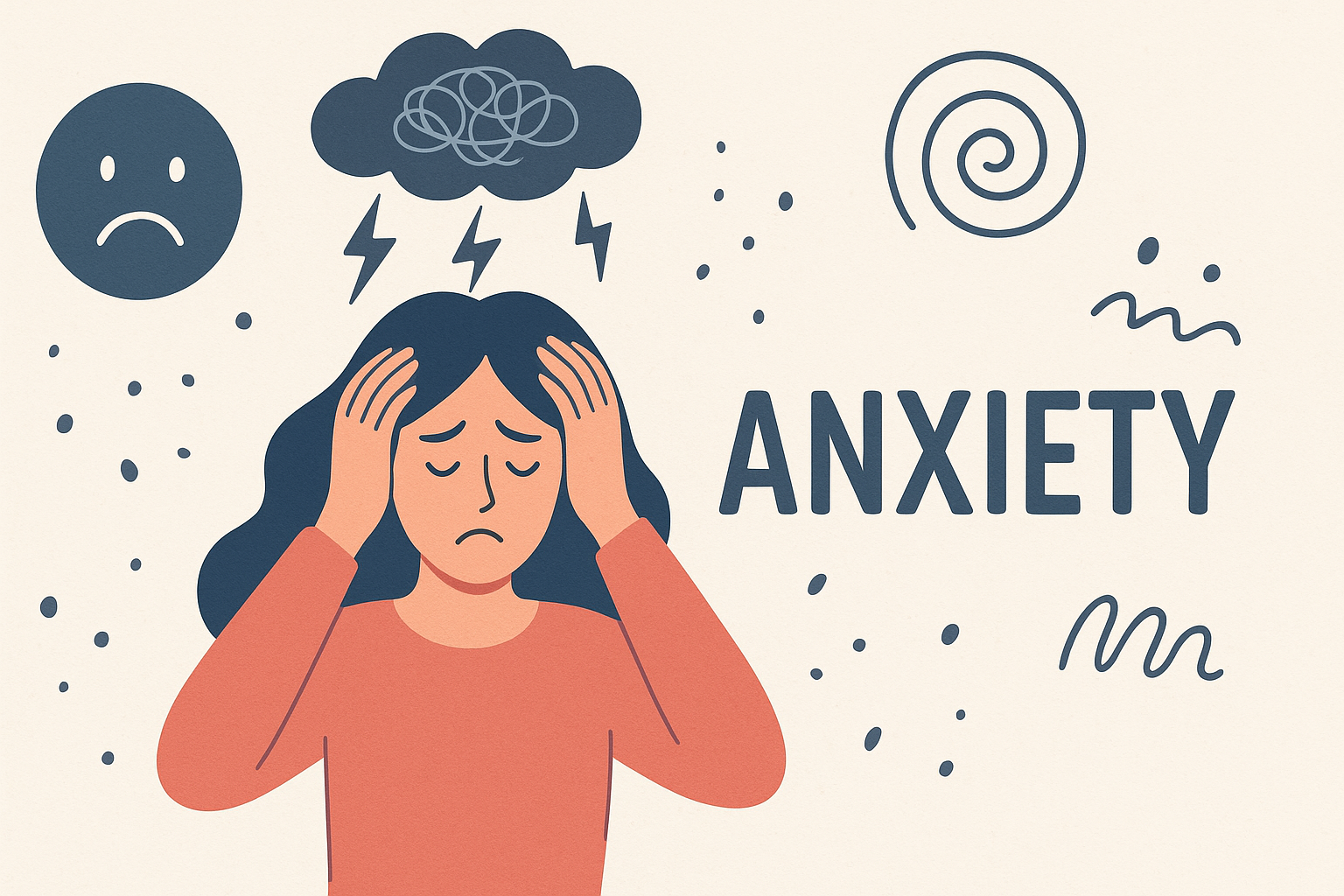
Anxiety is a normal human response to stress. Everyone experiences it from time to time, but chronic anxiety can interfere with daily life, relationships, and overall wellbeing. Emotional wellness activities are key to managing these feelings before they become overwhelming.
Key Points:
- Emotional wellness combines self-awareness, self-regulation, and resilience.
- Chronic anxiety affects both mental and physical health.
- Regular, mindful practices can significantly reduce stress and anxiety.
What Is Emotional Wellness?
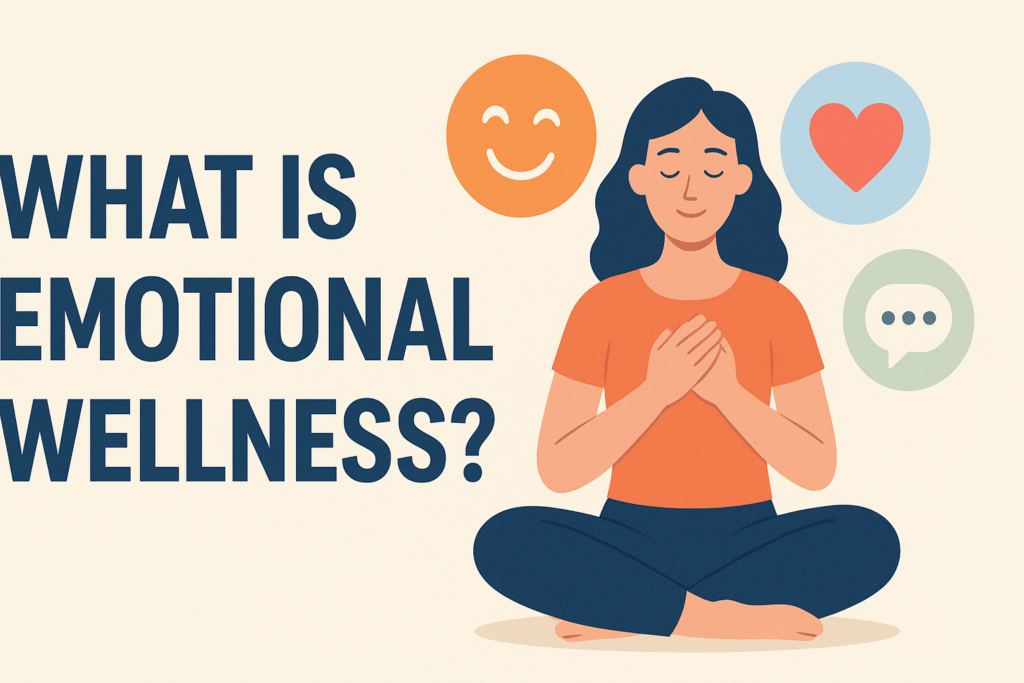
Emotional wellness is a holistic approach to maintaining mental and emotional health. It involves recognizing emotions, understanding their impact, and responding constructively.
Components of Emotional Wellness
- Self-Awareness: Recognizing your thoughts, feelings, and triggers.
- Self-Regulation: Controlling impulses and managing stress effectively.
- Positive Relationships: Building connections that offer support and understanding.
- Resilience: The ability to bounce back from setbacks and maintain mental stability.
- Purpose & Meaning: Engaging in activities that align with your personal values and goals.
Developing these components can help you navigate life’s challenges, improve relationships, and enhance overall wellbeing.
Understanding Anxiety
Anxiety is a natural response to stress, but when it becomes frequent or intense, it can disrupt your life. Emotional wellness activities aim to reduce anxiety by fostering awareness, coping skills, and resilience.
Signs of Anxiety
- Persistent worry or fear
- Restlessness or irritability
- Difficulty concentrating
- Sleep disturbances
- Physical symptoms such as a racing heart, headaches, or muscle tension
Causes of Anxiety
- Stressful Life Events: Work pressure, exams, or family challenges.
- Trauma or Past Experiences: Unresolved emotional pain can trigger chronic anxiety.
- Genetic Predisposition: Family history can influence vulnerability.
- Lifestyle Factors: Poor diet, lack of sleep, and sedentary habits can worsen anxiety.
Understanding the causes and signs is the first step in addressing anxiety effectively.
Emotional Wellness Activities To Overcome Anxiety
Implementing daily emotional wellness activities helps reduce anxiety, improve mood, and strengthen mental resilience.
Mindfulness Meditation
Mindfulness meditation involves focusing on the present moment without judgment. It reduces negative thought patterns and improves emotional regulation.
How to Practice:
- Sit in a quiet place and close your eyes.
- Focus on your breath, noticing each inhale and exhale.
- If your mind wanders, gently bring it back to your breathing.
- Practice for 10–20 minutes daily.
Benefits:
- Reduces stress hormones
- Enhances focus and clarity
- Promotes emotional balance
Journaling
Writing down thoughts, feelings, and triggers can help release pent-up emotions and gain clarity.
Tips:
- Write daily about your experiences and emotions.
- Reflect on patterns in your anxiety or triggers.
- Include positive affirmations to foster resilience.
Benefits:
- Increases self-awareness
- Helps identify triggers
- Reduces emotional burden
Physical Exercise
Regular physical activity releases endorphins, the body’s natural mood boosters. It also lowers stress hormones like cortisol.
Examples:
- Yoga for relaxation and mindfulness
- Aerobic exercise like running or swimming
- Walking in nature for a mental reset
Benefits:
- Improves mood
- Enhances sleep quality
- Strengthens resilience to stress
Gratitude Practice
Focusing on what you are thankful for shifts attention away from anxiety and negativity.
How to Practice:
- Write 3 things you are grateful for each morning or evening.
- Reflect on positive moments during stressful days.
Benefits:
- Promotes positive thinking
- Reduces anxiety
- Enhances emotional resilience
Deep Breathing Exercises
Controlled breathing helps calm the nervous system and reduces physical symptoms of anxiety.
Technique:
- Inhale for 4 seconds, hold for 4 seconds, exhale for 6 seconds.
- Repeat for 5 minutes.
Benefits:
- Lowers heart rate
- Reduces tension
- Improves focus
Social Connection
Talking with supportive friends, family, or mentors provides emotional relief and perspective.
Tips:
- Schedule regular check-ins with loved ones.
- Join support groups or online communities.
Benefits:
- Reduces feelings of isolation
- Provides encouragement and accountability
- Enhances resilience
Creative Expression
Engaging in art, music, or writing helps release emotions and reduce anxiety.
Ideas:
- Paint or sketch your feelings
- Play a musical instrument
- Write poetry or short stories
Benefits:
- Provides emotional release
- Encourages self-expression
- Reduces stress and anxiety
Table of Key Activities
| Activity | Description | Benefits | Time Required |
|---|---|---|---|
| Mindfulness Meditation | Focus on breathing & present moment | Reduces stress & improves focus | 10–20 min/day |
| Journaling | Write thoughts & feelings | Enhances self-awareness | 10 min/day |
| Physical Exercise | Yoga, walking, or aerobic workouts | Boosts mood & reduces cortisol | 20–40 min/day |
| Gratitude Practice | List things you’re thankful for | Promotes positive thinking | 5–10 min/day |
| Deep Breathing | Controlled breathing exercises | Calms nervous system | 5 min/day |
| Social Connection | Talk with friends/family | Provides emotional support | 15–30 min/day |
| Creative Expression | Art, music, writing | Releases emotions | 20–30 min/day |
Step-By-Step Guide To Emotional Wellness
Step 1: Acknowledge Your Emotions
Recognize what you feel without judgment. Journaling or self-reflection helps identify patterns and triggers.
Step 2: Practice Mindfulness Daily
Daily mindfulness keeps you grounded, reduces rumination, and enhances emotional regulation.
Step 3: Develop Coping Strategies
Use techniques like exercise, breathing, or creative expression to handle stressful moments.
Step 4: Build Supportive Relationships
Surround yourself with people who uplift and understand you. Positive social support strengthens emotional resilience.
Step 5: Maintain Healthy Lifestyle Habits
Sleep, diet, and regular exercise all contribute to emotional stability and reduced anxiety.
Benefits of Emotional Wellness Activities
- Reduced Anxiety & Stress: Mindfulness, breathing, and journaling calm the mind.
- Improved Mood: Exercise and gratitude boost serotonin and dopamine levels.
- Enhanced Self-Awareness: Awareness of emotions allows better control.
- Stronger Relationships: Emotional stability enhances empathy and communication.
- Greater Resilience: Ability to bounce back from challenges improves.
Tips For Staying Consistent
- Start Small: Introduce one activity at a time to avoid overwhelm.
- Set Reminders: Use apps or alarms for mindfulness or journaling.
- Track Progress: Record feelings and improvements over time.
- Reward Yourself: Celebrate small wins to stay motivated.
- Be Patient: Emotional wellness develops gradually with consistent practice.
When To Seek Professional Help
Some anxiety may require professional intervention. Consider therapy if:
- Anxiety persists for weeks or months
- Daily life is disrupted
- Panic attacks or severe stress occur
Therapists can provide cognitive-behavioral strategies, medication if needed, and personalized emotional support.
Conclusion
Emotional wellness is achievable through consistent, mindful practices. By integrating meditation, journaling, gratitude, exercise, and social support into your routine, you can overcome anxiety, enhance resilience, and cultivate a more positive, balanced life. Start small, stay consistent, and watch your emotional wellbeing flourish.
References
- American Psychological Association. “Managing Anxiety.”
- Mayo Clinic. “Emotional Wellness: How to Improve Your Mental Health.”
- Harvard Health Publishing. “Mindfulness Meditation: A Guide to Reducing Anxiety.”
- National Institute of Mental Health. “Anxiety Disorders.”
- Anxiety and Depression Association of America. “Tips to Manage Anxiety.”
- Mental Health America. “Emotional Wellness Toolkit.”
- National Center for Complementary and Integrative Health. “Mind-Body Practices for Anxiety.”
- Psychology Today. “The Benefits of Journaling for Mental Health.”
- Cleveland Clinic. “Exercise and Mental Health.”
- Mayo Clinic Proceedings. “The Role of Gratitude in Emotional Wellness.”


8 thoughts on “Emotional Wellness Secrets”