
Dr Ahsan Tariq , MBBS, MRCP (UK ) ongoing, IMT ( Internal Medicine Trainee, NHS England), GMC : 7805049
Dr Ahsan Tariq is a UK-registered medical doctor with a background in internal medicine and a focus on evidence-based research in cognitive health and nootropics. He critically reviews scientific studies, supplements, and ingredients to help readers make informed, safe, and effective choices for brain health and performance.
Introduction: Why Hidden Stress Controls More Than You Think
Hidden stress has quietly become one of the biggest mental health challenges of our generation. It drains your energy, disrupts sleep, weakens focus, and slowly shapes your emotions without you noticing. Many people walk around with tension they can’t name tight chest, foggy mind, irritability, anxiety spikes, or feeling “off” for no reason.
Mental health isn’t just about avoiding breakdowns; it’s about building a strong, resilient system that protects you daily. When you understand your mind’s signals and take charge, you unlock power, clarity, and emotional stability.
This complete guide walks you through how hidden stress works, why it silently damages mental health, and proven methods to break the cycle and regain control.
You’ll also learn science-backed tools to improve mood, resilience, cognitive strength, and long-term emotional wellness.
Understanding Hidden Stress & Mental Health
What Is Hidden Stress?
Hidden stress is the mental load that stays beneath your awareness. You may not feel “stressed,” yet your brain and body show signs:
- Overthinking
- Tired for no reason
- Short-tempered reactions
- Anxiety waves
- Body aches
- Digestive issues
- Poor sleep
- Low motivation
It is often caused by:
- Emotional suppression
- Unfinished responsibilities
- Social pressure
- Digital overload
- Financial worries
- Relationship tension
- Health uncertainty
Hidden stress grows when it is ignored and that leads to deeper mental health challenges.
How Stress Damages Mental Health
The Mind–Body Stress Loop
The Brain’s Reaction
When stress begins, the amygdala triggers alert mode. Your brain releases:
- Cortisol
- Adrenaline
- Inflammatory molecules
These chemicals are useful short-term but harmful long-term.
Effects on Mental Health
Long-term hidden stress causes:
- Anxiety disorders
- Depression
- Irritability
- Low emotional resilience
- Mood swings
- Cognitive decline
- Lost motivation
Your mental clarity and emotional strength slowly weaken.
Signs You’re Carrying Hidden Stress
Emotional Symptoms
Mood Instability
Frequent emotional swings, crying easily, irritability, frustration.
Disconnection
Feeling distant from yourself or others.
Overwhelm
Small tasks feel big.
Physical Symptoms
Tension Pain
Shoulder stiffness, jaw tightness, headaches.
Sleep Problems
Restlessness, light sleep, waking tired.
Gut Issues
Gas, bloating, constipation stress deeply affects digestion.
Behavioral Symptoms
Procrastination
Avoiding tasks due to mental overload.
Escapism
Excessive phone use, binge watching, overeating.
Neglecting Self-Care
Skipping meals, ignoring exercise, losing routines.
Major Causes of Hidden Stress

Digital Overload
Constant notifications and scrolling push your brain into nonstop alert mode.
Emotional Suppression
Holding emotions instead of expressing them increases psychological pressure.
Toxic Workload
Long hours, pressure to perform, or lack of boundaries wear down your mental energy.
Relationship Tension
Unresolved issues create chronic emotional friction.
Hormonal Imbalances
Cortisol, serotonin, estrogen, and thyroid hormones influence mood and stress.
Perfectionism
High self-expectations create internal stress even without external triggers.
The Science of Mental Resilience
How the Brain Handles Stress
Neuroplasticity
Your brain can rewire itself with repetition and healing routines.
Prefrontal Cortex
Decision-making, focus, and emotional regulation depend on this area.
HPA Axis
Controls cortisol and emotional responses.
Strengthening these systems improves mental health.
Table: Hidden Stress vs Visible Stress
| Type of Stress | How It Appears | Impact on Daily Life |
|---|---|---|
| Hidden Stress | Internal overwhelm, fatigue, irritability, low motivation | Long-term mental health decline, burnout, emotional instability |
| Visible Stress | Panic, emotional breakdown, crying, anxiety attacks | Immediate emotional overload, short-term crisis |
| Chronic Stress | Constant tension, sleep issues, digestion problems | High risk of depression, anxiety disorders, physical disease |
| Acute Stress | Sudden shock, fear, unexpected event | Rapid stress response, temporary cortisol spike |
Reclaiming Your Mental Health Power
Mind-Body Reset Strategies
Breathwork (Instant Stress Reset)
Breathing exercises reduce cortisol instantly.
- Inhale 4 seconds
- Hold 2 seconds
- Exhale 6 seconds
This activates the calming parasympathetic system.
Grounding Techniques
Touch, breath, and sensory focus reconnect you with the present moment.
Progressive Muscle Relaxation
Tighten–hold–release muscles to dissolve hidden tension.
Lifestyle Habits for Strong Mental Health
1. Nutrition for Emotional Stability
Brain-Supportive Foods
- Omega-3s
- Fermented foods
- Berries
- Magnesium-rich foods
- Green leafy vegetables
These reduce inflammation and support mood hormones.
2. Movement for Stress Release
Strength Training
Boosts endorphins and reduces anxiety.
Yoga & Mobility Flow
Calms the nervous system.
Walking
Improves serotonin and clears mind fog.
3. Sleep Optimization
- Fixed sleep timing
- Dark bedroom
- Reduced screen use
- Magnesium supplementation
Good sleep equals strong mental health.
Breaking the Cycle of Hidden Stress
Cognitive Strategies
Reframing Negative Thoughts
Shift “I can’t handle this” to “I will manage this step by step.”
Journaling
Releases mental pressure and clarifies emotions.
Emotional Labeling
Naming the emotion reduces its intensity.
Advanced Mental Strength Tools
Cold Exposure
Boosts dopamine, alertness, and mental resilience.
Meditation
Strengthens prefrontal cortex and reduces emotional reactivity.
Mindful Eating
Reduces binge eating driven by stress.
Digital Detox
Rebuilds attention span and reduces cortisol.
Relationship Between Stress & Hormones
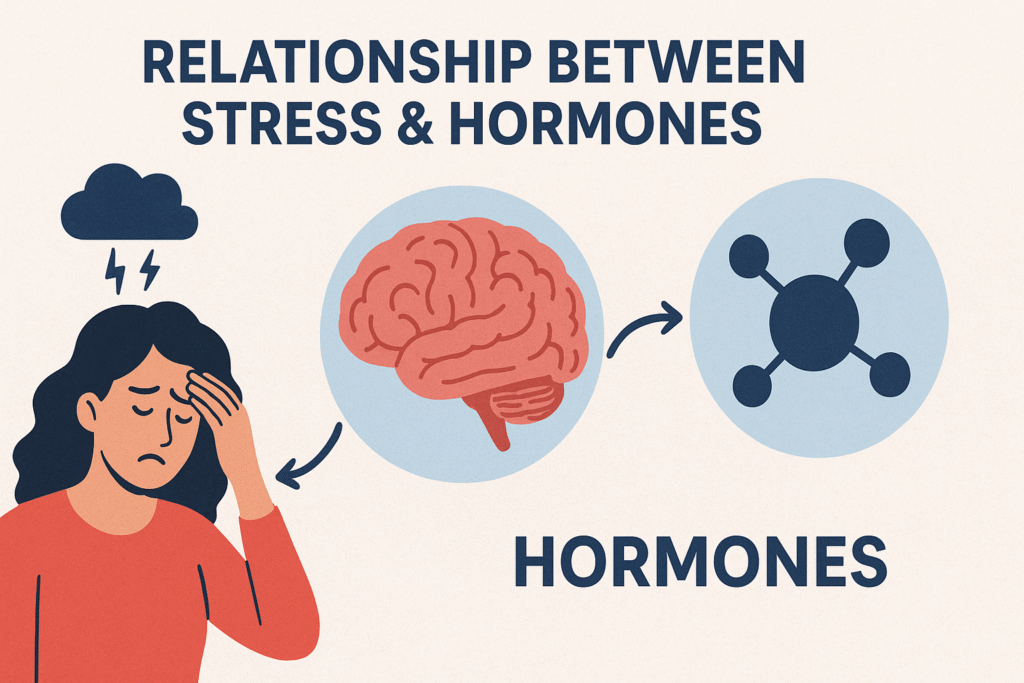
Cortisol Imbalance
High cortisol leads to:
- Anxiety
- Depression
- Fatigue
- Weight gain
Serotonin & Dopamine
Gut health and lifestyle significantly influence mood chemicals.
Thyroid & Mood
Low thyroid function mimics depression symptoms.
Mental Health in Men vs Women
Women
- Hormonal shifts (menstrual cycle, pregnancy, menopause)
- Higher emotional suppression
- More social pressure
Men
- More likely to mask emotions
- High stress from performance expectations
- Silent burnout patterns
Understanding these differences helps tailor coping strategies.
Long-Term Prevention: Protect Your Mental Health Power
Build Daily Routines
Consistency strengthens mental resilience.
Set Boundaries
Say no without guilt.
Reduce Clutter
Physical clarity = mental clarity.
Limit Toxic People
Your emotional environment matters.
Stay Connected
Supportive relationships reduce stress hormones.
Final Benefits of Ending Hidden Stress
Sharper Focus
Less mental noise, more clarity.
Improved Mood Stability
Balanced emotions and lower irritability.
Higher Energy
Reduced mental overload frees physical energy.
Better Sleep
Calmer mind → deeper rest.
Stronger Immune System
Lower cortisol improves immunity.
Emotional Resilience
Capacity to handle life challenges increases.
Conclusion
Hidden stress is one of the quietest killers of mental health. It affects mood, energy, hormones, relationships, and physical health. But once you identify its signs and apply powerful mental wellness strategies, you unlock clarity, strength, emotional balance, and a higher quality of life.
You don’t need perfection you just need consistency.
Ending hidden stress restores your power, your confidence, and your mental freedom.
References
- McEwen BS. Stress and the brain. Nat Rev Neurosci.
- Sapolsky RM. Stress hormones. Science.
- Selye H. Stress theory. J Neuropsychiatry.
- Arnsten AF. Stress effects on PFC. Nat Rev Neurosci.
- Chrousos GP. HPA axis regulation. Endocrinology.
- Holzel BK. Mindfulness and brain structure. Psychiatry Res.
- Kabat-Zinn J. Mindfulness practice studies.
- Porges SW. Polyvagal theory. Biol Psychol.
- Davidson RJ. Emotion and neuroscience.
- Kirschbaum C. Cortisol studies.
- Thayer JF. Autonomic balance and stress.
- Creswell JD. Meditation benefits.
- Miller GE. Stress and inflammation. Psychosom Med.
- Kiecolt-Glaser J. Stress and immunity.
- Walker MP. Sleep and emotional health.
8 thoughts on “Unlock Mental Health Power: End Hidden Stress Now”