
Dr Ahsan Tariq , MBBS, MRCP (UK ) ongoing, IMT ( Internal Medicine Trainee, NHS England), GMC : 7805049
Dr Ahsan Tariq is a UK-registered medical doctor with a background in internal medicine and a focus on evidence-based research in cognitive health and nootropics. He critically reviews scientific studies, supplements, and ingredients to help readers make informed, safe, and effective choices for brain health and performance.
Introduction: Why Gut Health Is Crucial
Gut health is central to overall well-being, influencing digestion, immunity, metabolism, and even mental health. The gut is home to trillions of microorganisms, collectively known as the gut microbiome, which play a critical role in maintaining balance in the body.
When the gut microbiome is balanced, nutrient absorption is optimal, immunity is strong, and energy levels are sustained. However, an imbalanced gut often caused by poor diet, stress, medications, or environmental factors can lead to gas, bloating, digestive discomfort, fatigue, and immune dysfunction.
Recent research emphasizes the gut as a “second brain”, with its own nervous system (enteric nervous system) that communicates directly with the central nervous system. The gut microbiome affects mood, cognition, and inflammation, highlighting its importance beyond just digestion.
This article explores gut health in depth, including theoretical foundations, contributing factors, interventions, dietary strategies, and lifestyle changes to support immunity and eliminate gas.
Understanding the Gut Microbiome
The gut microbiome consists of trillions of bacteria, viruses, fungi, and other microorganisms. A healthy microbiome contains a balanced mix of beneficial bacteria like Lactobacillus and Bifidobacterium, neutral microbes, and minimal harmful bacteria.
Key Functions of the Gut Microbiome
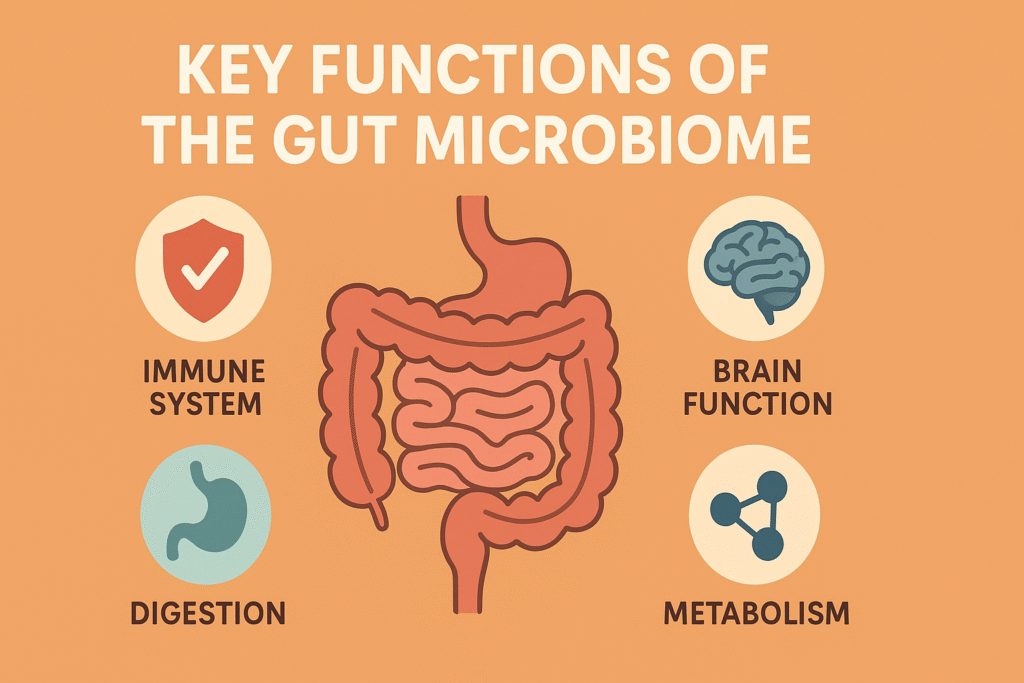
- Digestive Support: Breaks down complex carbohydrates, fibers, and proteins that human enzymes cannot digest.
- Vitamin Production: Synthesizes essential vitamins such as B12, K2, and biotin.
- Immune Modulation: Interacts with immune cells, training them to distinguish between harmful and harmless substances.
- Barrier Protection: Maintains tight junctions in the intestinal lining, preventing pathogens and toxins from entering the bloodstream.
- Neurotransmitter Production: Produces serotonin and GABA, influencing mood, stress response, and mental clarity.
An imbalanced microbiome, or dysbiosis, can lead to gas, bloating, constipation, diarrhea, systemic inflammation, allergies, and autoimmune diseases.
Factors Affecting Gut Health
Gut health is influenced by several interrelated factors: diet, lifestyle, medications, environment, and genetics.
1. Diet
- Diets high in sugar, refined carbohydrates, and processed foods reduce microbial diversity.
- Fiber-rich and fermented foods enhance beneficial bacterial growth.
- Excessive animal fats and low fiber intake can promote inflammation and harmful bacteria proliferation.
2. Lifestyle
- Chronic Stress: Alters gut flora and increases intestinal permeability.
- Physical Activity: Moderate exercise promotes microbial diversity and healthy bowel function.
- Sleep: Poor sleep negatively impacts microbiome composition and metabolism.
3. Medications
- Antibiotics: Kill both harmful and beneficial bacteria, causing temporary or long-term dysbiosis.
- NSAIDs and PPIs: Can irritate the gut lining, reduce acid levels, and affect microbiome balance.
4. Environmental Factors
- Over-sanitized living environments limit microbial exposure essential for healthy immunity.
- Exposure to pollutants, pesticides, and chemicals may disrupt microbial communities.
5. Genetics
- Genetic predisposition affects the composition and function of the microbiome.
- Family history of gut disorders or autoimmune diseases can influence gut health risk.
Symptoms of Poor Gut Health
Gut imbalance manifests in digestive, immune, and systemic symptoms.
Digestive Symptoms
- Gas and bloating
- Constipation or diarrhea
- Heartburn or reflux
- Food intolerances
Immune Symptoms
- Frequent colds or infections
- Autoimmune reactions
- Allergies
Systemic and Neurological Symptoms
- Fatigue
- Brain fog and reduced focus
- Mood disturbances like anxiety and depression
- Skin conditions (eczema, acne)
The Gut-Immune System Connection
The gut houses 70% of the body’s immune cells. Healthy bacteria regulate immune function through several mechanisms:
- Short-Chain Fatty Acids (SCFAs): Produced by bacterial fermentation of fiber; reduce inflammation and support T-cell activity.
- Barrier Maintenance: Healthy microbes strengthen intestinal walls, preventing pathogens from entering circulation.
- Immune Signaling: Microbes produce chemical messengers that modulate immune response.
Dysbiosis weakens these defenses, increasing susceptibility to infections, allergies, autoimmune conditions, and systemic inflammation.
Dietary Interventions for Gut Health
Nutrition is foundational to gut balance. Effective strategies include probiotic, prebiotic, fiber-rich, and anti-inflammatory foods.
1. Probiotic Foods
Introduce live beneficial bacteria:
- Yogurt with live cultures
- Kefir
- Sauerkraut and kimchi
- Miso and tempeh
2. Prebiotic Foods
Feed beneficial bacteria and improve microbial diversity:
- Garlic, onions, and leeks
- Asparagus
- Bananas
- Whole grains
3. Fiber-Rich Foods
Support digestion, bowel regularity, and SCFA production:
- Oats, barley, lentils
- Vegetables like broccoli, spinach, carrots
- Fruits like apples, berries, and pears
4. Anti-Inflammatory Foods
Reduce gut inflammation and enhance immunity:
- Fatty fish rich in omega-3 (salmon, sardines)
- Turmeric and ginger
- Leafy greens, berries, and nuts
Supplements to Support Gut Health
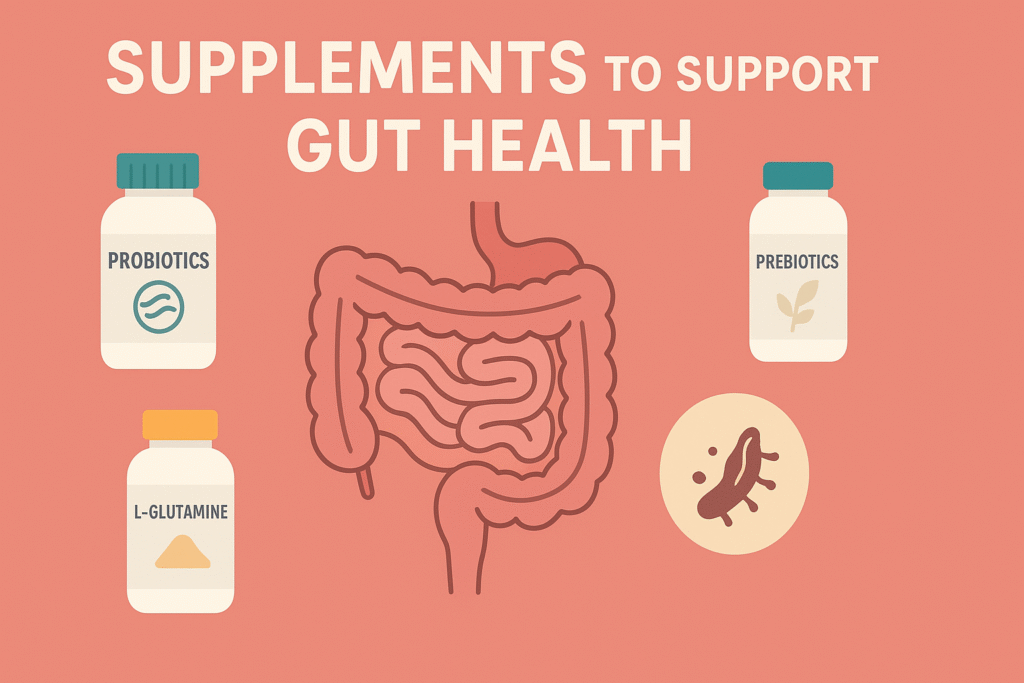
Supplements can complement diet to restore microbial balance:
- Probiotics: Targeted strains like Lactobacillus and Bifidobacterium.
- Prebiotics: Inulin and fructooligosaccharides (FOS) feed beneficial bacteria.
- Digestive Enzymes: Improve nutrient breakdown, reduce gas, bloating, and food intolerance.
- L-Glutamine: Repairs intestinal lining and reduces permeability.
- Omega-3 Fatty Acids: Reduce systemic inflammation and support gut immunity.
Lifestyle Strategies for Optimal Gut Function
1. Stress Management
- Chronic stress negatively affects microbiome diversity and gut barrier integrity.
- Meditation, yoga, and deep breathing exercises reduce cortisol levels and support gut balance.
2. Exercise
- Regular moderate exercise enhances microbial diversity, promotes bowel motility, and reduces inflammation.
- Activities like walking, swimming, and cycling are highly effective.
3. Sleep
- Poor sleep alters microbiome composition and increases systemic inflammation.
- 7–9 hours of quality sleep is recommended.
4. Hydration
- Adequate water intake supports digestion, nutrient absorption, and bowel regularity.
Table: Essential Gut Health Nutrients and Their Benefits
| Nutrient/Food | Primary Benefit | Source | Effectiveness |
|---|---|---|---|
| Lactobacillus | Restores microbiome | Yogurt, kefir | High |
| Bifidobacterium | Digestive balance | Kimchi, sauerkraut | High |
| Inulin | Feeds beneficial bacteria | Chicory, onion | Medium |
| Fiber | Supports bowel health | Oats, fruits, vegetables | High |
| L-Glutamine | Repairs gut lining | Supplement | Medium |
| Omega-3 | Anti-inflammatory | Fatty fish | Medium |
| Turmeric | Reduces inflammation | Spice | Medium |
| Ginger | Aids digestion | Root | Medium |
| Water | Supports digestion | Drinks | High |
Gut Health Across Life Stages
Children
- Microbiome develops rapidly in early years; breastfeeding and diverse foods promote balance.
- Early antibiotic exposure or processed foods can disrupt microbial diversity.
Adults
- Diet, stress, medications, and aging influence microbial balance.
- Aging reduces microbial diversity; dietary and lifestyle interventions are essential for immunity and digestive health.
Tips to Reduce Gas and Bloating
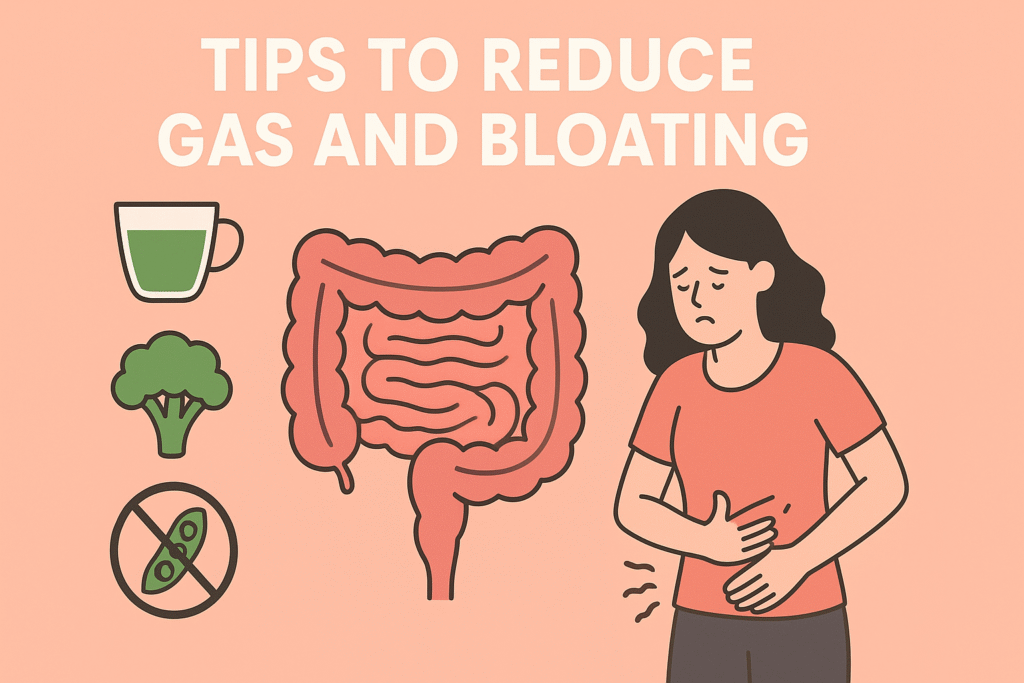
- Eat slowly and chew food thoroughly.
- Limit carbonated beverages and high-FODMAP foods temporarily.
- Include probiotic and prebiotic foods consistently.
- Engage in light activity post-meals (e.g., walking).
- Manage stress and ensure adequate hydration.
Benefits of a Healthy Gut
- Improved Digestion: Reduced gas, bloating, and constipation.
- Enhanced Immunity: Stronger defense against pathogens and reduced autoimmune flare-ups.
- Better Mood and Cognitive Function: Microbiome influences neurotransmitter production and stress response.
- Increased Energy Levels: Efficient nutrient absorption supports vitality.
- Healthier Skin: Reduced inflammation and better nutrient status reflect on the skin.
- Reduced Risk of Chronic Disease: Healthy microbiome lowers risk of obesity, diabetes, and cardiovascular issues.
Practical Daily Routine for Gut Health
Morning:
- Warm water with lemon
- High-fiber breakfast (oats, chia, fruit)
Afternoon:
- Fermented foods (yogurt, kimchi)
- Light exercise (walking, stretching)
Evening:
- Anti-inflammatory dinner (fish, vegetables)
- Relaxation techniques (meditation, reading)
Night:
- 7–9 hours of quality sleep
- Avoid late heavy meals
Conclusion
Gut health is central to digestion, immunity, mental clarity, and overall vitality. Transforming gut health requires a holistic approach including diet, supplements, lifestyle modification, stress management, and adequate sleep. A balanced microbiome not only reduces gas and bloating but also strengthens immunity, supports mental well-being, and enhances energy.
By focusing on fiber-rich foods, prebiotics, probiotics, anti-inflammatory nutrition, and healthy lifestyle habits, anyone can achieve lasting digestive comfort and optimal immune function.
References:
- Sonnenburg JL, Bäckhed F. Diet-microbiota interactions as moderators of human metabolism. Nature. 2016.
- Tremaroli V, Bäckhed F. Functional interactions between the gut microbiota and host metabolism. Nature. 2012.
- Rinninella E et al. Food components and the gut microbiota: A review. Nutrients. 2019.
- Hill C et al. The International Scientific Association for Probiotics and Prebiotics consensus statement. Nat Rev Gastroenterol Hepatol. 2014.
- Ouwehand AC et al. Probiotic and prebiotic effects on gut microbiota. Nutr Rev. 2002.
- Sonnenburg ED, Sonnenburg JL. Starving our microbial self. Cell Metab. 2014.
- DeGruttola AK et al. The gut microbiota in immune-mediated inflammatory diseases. Front Microbiol. 2016.
- Hill DR, Artis D. Intestinal bacteria and immune regulation. Annu Rev Immunol. 2010.
- Mäkivuokko H et al. Effect of age and diet on human gut microbiota. J Appl Microbiol. 2010.
- Arumugam M et al. Enterotypes of the human gut microbiome. Nature. 2011.


3 thoughts on “Transform Your Gut Health”